Neuropathy Causes, Symptoms, Diagnosis & Treatment
Holistiq Treatment Guide
Neuropathy is a complex medical condition involving damage to the nerves outside the brain and spinal cord. It may present as pain, numbness, tingling, weakness, or problems with bodily functions such as digestion and blood pressure. Understanding neuropathy’s causes, symptoms, diagnostic process, and modern, holistic treatment options is essential for anyone seeking effective relief and improved quality of life.
At Holistiq, our comprehensive treatment plan is designed to address not only physical pain but also the critical connection between chronic pain and mental health.
What is Neuropathy?
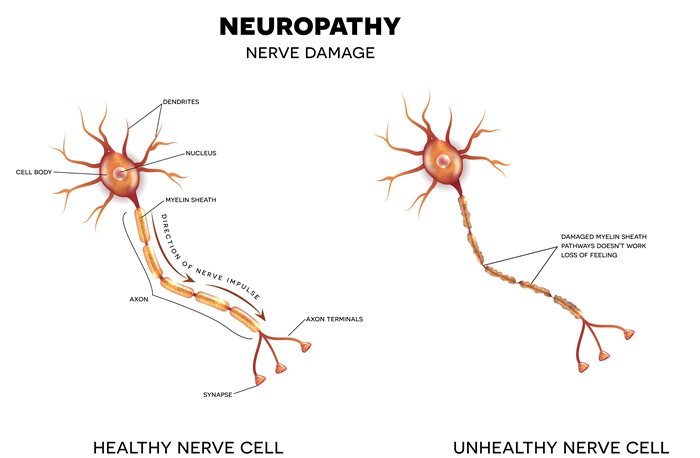
Neuropathy refers to nerve damage that leads to pain, weakness, numbness, or tingling in different parts of the body, often beginning in the hands or feet and spreading upward. The most common form, peripheral neuropathy, affects the peripheral nerves responsible for sending signals from the brain and spinal cord to the rest of the body. Neuropathies are classified according to which nerves are involved—sensory, motor, autonomic, or a combination.
Types of Neuropathy
- Sensory neuropathy: Affects nerves that control sensation. Symptoms include tingling, numbness, extreme sensitivity to touch, and pain.
- Motor neuropathy: Affects nerves controlling muscle movement. This can result in weakness, cramping, muscle atrophy, and loss of coordination.
- Autonomic neuropathy: Impacts nerves regulating internal body functions such as blood pressure, digestion, and urination. Symptoms may include sweating abnormalities, digestive problems, and blood pressure changes.
- Combination neuropathy: The most common form, often involving sensory and motor nerves, leading to mixed symptoms.
Causes of Neuropathy
Neuropathy can have a variety of causes, including:
- Diabetes: The leading cause, accounting for more than half of all neuropathy cases.
- Autoimmune disorders: Conditions like lupus, Sjogren’s syndrome, and rheumatoid arthritis may lead to nerve damage.
- Infections: Bacterial (Lyme disease, leprosy) or viral (HIV, hepatitis, shingles) infections can harm nerves.
- Genetic or inherited disorders: Such as Charcot-Marie-Tooth disease.
- Exposure to toxins: Heavy metals and certain industrial chemicals.
- Alcoholism: Prolonged alcohol abuse can lead to vitamin deficiencies and nerve damage.
- Medication side effects: Chemotherapy drugs or other medications can cause nerve injury.
- Vitamin deficiencies and metabolic problems: Particularly deficiencies in B vitamins, copper, and vitamin E.
- Injury or trauma: Accidents, repetitive motion injuries (such as carpal tunnel syndrome), or pressure from casts and crutches.
- Tumors or cancer: By pressing on nerves or through paraneoplastic syndromes.
- Unknown (idiopathic): In some cases, no clear cause is found.
Common Symptoms
The symptoms of neuropathy vary depending on the type and severity of nerves involved:
- Numbness or tingling: Often starts in the hands or feet and can spread to the limbs.
- Sharp, stabbing, burning, or throbbing pain: May be constant or intermittent.
- Extreme sensitivity to touch: Even a light touch can feel painful.
- Muscle weakness, cramping, and atrophy
- Coordination and balance problems: Higher risk of falls.
- Sensation changes: Such as feeling like wearing gloves or socks when you are not.
- Autonomic symptoms: Digestive disturbance, abnormal sweating, bladder problems, dizziness due to blood pressure drops.
- If you notice these symptoms, especially if they develop suddenly or worsen, immediate medical evaluation is advised.
Causes & Risk Factors
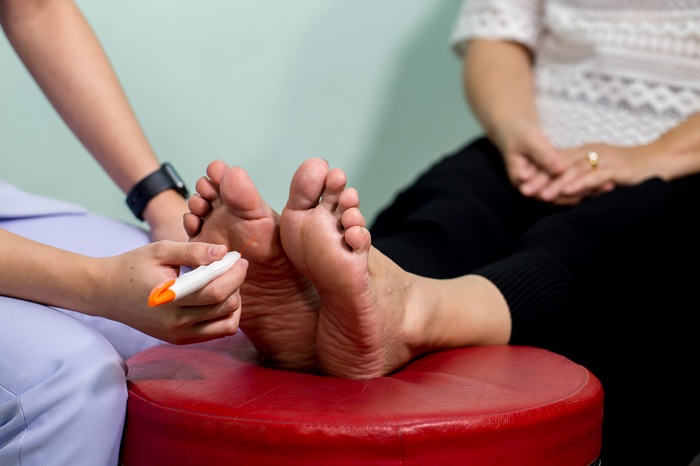
Diagnosing neuropathy involves a detailed medical history, physical examination, and a variety of diagnostic tests:
- Medical history and symptom review: Your provider will ask about your symptoms, medical history, family history of nerve diseases, exposure to toxins, and lifestyle factors.
- Neurological examination: Reflexes, muscle strength, coordination, and sensation are tested.
- Blood tests: Screen for diabetes, infections, vitamin deficiencies, metabolic or immune conditions.
- Imaging tests: MRI or CT scans may be used to identify structural problems like herniated discs or tumors.
- Nerve function tests: Electromyography (EMG) and nerve conduction studies measure muscle electrical activity and nerve signal speed.
- Other tests:
- Autonomic function testing evaluates how the autonomic nerves are working.
- Sweat tests and sensory tests may check for subtle nerve injury.
- Nerve or skin biopsy: Rarely, a small sample of nerve or skin tissue is analyzed if diagnosis is unclear.
Holistiq's Neuropathy Treatment Plan
Holistiq Neuropathy tailors comprehensive, science-driven treatment for every patient, using a multidisciplinary approach that targets symptoms and underlying causes.
Medications
- Pain relievers: Nonsteroidal anti-inflammatory drugs (NSAIDs), topical treatments, and, in severe cases, stronger medications may be considered.
- Prescription medications: Certain antidepressants and antiepileptics, like duloxetine, pregabalin, or gabapentin, are often used to manage neuropathic pain.
- Supplements: Addressing deficiencies in B vitamins or other key nutrients.
Physical Therapy & Rehab Coaching
- Individualized rehabilitation: Physical therapists design exercise and stretching programs to improve balance, strengthen muscles, and reduce pain.
- Assistive devices: Supportive equipment such as braces, orthotics, or canes may enhance mobility and safety.
Anti-inflammatory Nutrition Guidance
- Personalized nutrition plans: Focusing on a balanced, anti-inflammatory diet rich in whole grains, lean proteins, healthy fats, fruits, and vegetables.
- Education: Teaching on how to avoid inflammatory foods and incorporate essential micronutrients vital for nerve health.
- Lifestyle coaching: Addressing weight management and safe physical activity.
Minimally Invasive Procedures
- Interventional therapies: May include nerve blocks, steroid injections, or advanced techniques such as spinal cord stimulation for severe or persistent pain.
- Cutting-edge treatments: Image-guided injections decrease pain and inflammation to optimize
Mental Health Integration: Psychiatry & TMS
Chronic pain is closely interconnected with mental health. Anxiety and depression not only exacerbate pain, but untreated mental distress makes pain management more challenging. At Holistiq:
- Psychiatric evaluation identifies co-existing depression or anxiety.
- Transcranial Magnetic Stimulation (TMS): This FDA-approved, non-invasive therapy uses targeted magnetic pulses to stimulate mood-regulating brain areas, often leading to improvement in anxiety and depression symptoms. TMS is appropriate for individuals who do not respond to medication alone and has minimal side effects, allowing patients to continue their daily activities immediately.
Neuropathy FAQs
1. What causes neuropathy the most?
Diabetes is the most common cause of neuropathy. Other significant causes include autoimmune diseases, infections, vitamin deficiencies, toxic exposures, certain medications, and genetic conditions.
2. Are neuropathy symptoms reversible?
Neuropathy may be reversible if the underlying cause is found early and treated promptly (for example, vitamin deficiency or pressure on a nerve). Chronic cases often require lifelong management to control symptoms and prevent progression.
3. Can diet really help with nerve pain?
Yes. An anti-inflammatory, nutrient-rich diet can help reduce inflammation, manage pain, and promote nerve recovery. Avoiding alcohol and maintaining healthy blood sugar levels is particularly important for neuropathy patients.
4. How does TMS work for pain and mood?
Transcranial Magnetic Stimulation sends magnetic pulses to areas of the brain involved in mood regulation. It is safe, non-invasive, and effective for treatment-resistant depression, anxiety, and some chronic pain conditions.
5. What should I expect during my first visit?
Your first appointment includes a detailed review of your symptoms and medical history, physical and neurological exams, and discussion of a holistic treatment plan tailored to your specific needs.
Ready to Take Your Next Step?
If you’re living with neuropathy, you don’t have to accept constant pain or limited mobility as your “new normal.” The Holistiq Neuropathy team believes in compassionate, whole-person care—helping you regain function, ease pain, and improve your mental well-being. Schedule your comprehensive evaluation today, and discover how personalized medicine, interventional procedures, targeted nutrition, and integrative mental health therapies can empower you on your path to optimal health.
Where Does It Hurt? We Can Help.