
Neck Pain Relief
Causes, Fast Pain Solutions, Home Care & When to Seek Treatment
Why Your Neck Hurts
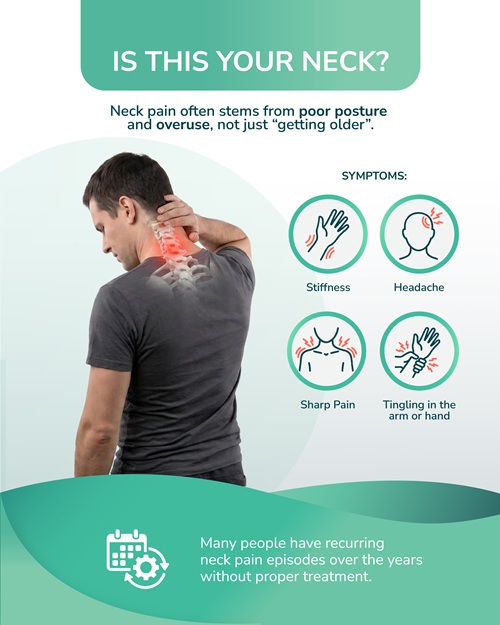
Neck pain affects a large portion of adults at some point in life and is one of the most frequent musculoskeletal complaints seen in primary care and spine clinics. In most people, it is related to mechanical problems—how joints, discs, muscles, and posture are working—rather than serious disease.
Common Causes of Neck Pain
Muscle strain and poor posture
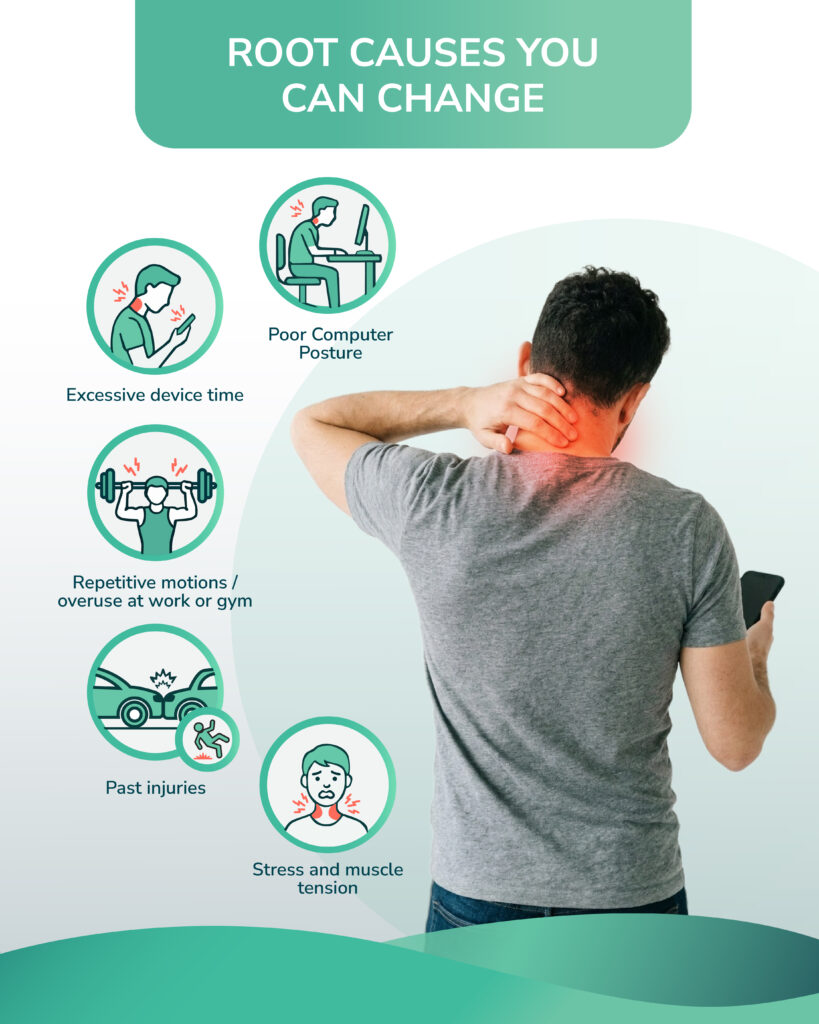
Prolonged computer or phone use, “text neck,” driving, and working with your head down can overload the neck muscles and joints.
Cervical joint wear and arthritis (spondylosis)
With age, discs dehydrate and facet joints develop osteoarthritis and bone spurs, which can cause aching and stiffness.
Disc problems and pinched nerves (radiculopathy)
Herniated or bulging discs can compress nearby nerve roots, causing neck pain plus arm pain, tingling, or weakness.
Whiplash and trauma
Sudden acceleration–deceleration (for example, rear‑end collisions) or sports injuries can strain ligaments, discs, and muscles.
Stress‑related muscle tension
Emotional stress and anxiety frequently cause chronic tightening of the neck and shoulder muscles.
Less common but serious causes
Infection, inflammatory arthritis (like rheumatoid arthritis), vertebral fractures, spinal cord compression (myelopathy), tumors, and meningitis are rare but important to rule out.
Symptoms and How Neck Pain Is Diagnosed
Typical Symptoms
- Dull ache, stiffness, or sharp pain in the neck
- Pain that worsens with movement or prolonged positions
- Headaches, particularly at the base of the skull
- Pain radiating to the shoulders, between the shoulder blades, or down the arm
- Tingling, numbness, or weakness in the arms or hands (suggests nerve involvement)
Red‑Flag Symptoms (See a Doctor Urgently)
- Recent major trauma (car accident, significant fall)
- Fever, chills, unexplained weight loss
- Severe, unrelenting night pain
- Progressive weakness, clumsiness, or difficulty walking
- Problems with bowel or bladder control
- Severe headache with neck stiffness (possible meningitis)
How Clinicians Diagnose Neck Pain
For most people, a careful history and physical exam are enough to diagnose the cause of neck pain.
- History
- Onset, duration, injury history, aggravating positions, previous episodes, and overall health.
- Physical exam
- Posture and alignment
- Range of motion (flexion, extension, rotation, side‑bending)
- Palpation for muscle spasm and joint tenderness
- Neurological screening (strength, reflexes, sensation) to detect radiculopathy or myelopathy
Imaging and tests are used selectively:
- X‑rays to assess alignment, fractures, and degenerative changes
- MRI for discs, nerves, spinal cord, infection, or tumor suspicions
- CT or CT‑myelogram in specific complex cases
- EMG/nerve conduction studies when the diagnosis of nerve root or peripheral nerve involvement is unclear
How to Cure Neck Pain Fast
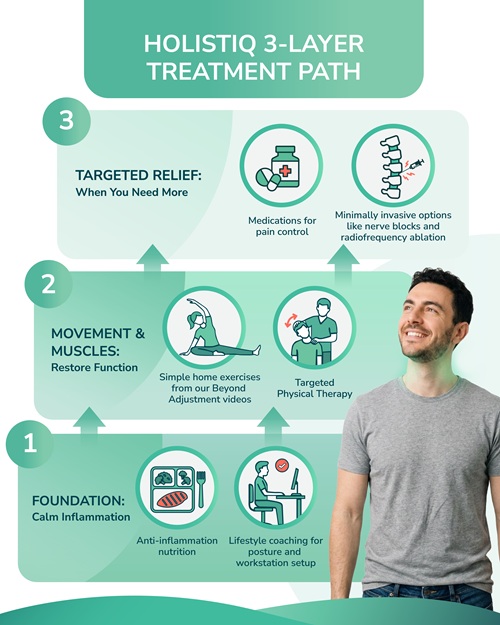
“Curing” neck pain fast is usually about reducing pain quickly and safely while building long‑term solutions around posture, strength, and movement.
Medications and Injections
- Short‑term medications
- Over‑the‑counter NSAIDs (such as ibuprofen) and acetaminophen can reduce pain and inflammation.
- Short courses of muscle relaxants may help for acute spasms when prescribed.
- Trigger point injections
- Small injections into painful muscle knots in the neck or shoulders can rapidly reduce localized myofascial pain and allow better participation in exercise and therapy.
- Facet joint injections and medial branch blocks
- Used when facet joints (small joints at the back of the spine) are the pain source.
- Local anesthetic and sometimes corticosteroid can reduce pain and confirm diagnosis.
- Cervical epidural steroid injections
- Helpful for cervical radiculopathy (pinched nerve) with arm pain. Targeted steroid reduces inflammation around the nerve root and can provide weeks to months of relief.
- Often used when symptoms persist despite several weeks of conservative care or when pain is too severe to tolerate rehab.
Chiropractic and Manual Therapy
- Active and assisted range‑of‑motion exercises
- Strengthening of deep neck flexors, scapular stabilizers, and upper‑back muscles
- Neuromuscular re‑education for posture and movement patterns
- Home program to maintain gains and prevent recurrent arthritis
Physical Therapy and Structured Rehab
- Gentle spinal and rib cage mobilization to improve thoracic and cervical mechanics
- Correcting postural faults that place extra strain on the surgical shoulder
- Ensuring the opposite shoulder and surrounding joints are moving well so they don’t overload the healing side
Imaging and tests are used selectively:
- X‑rays to assess alignment, fractures, and degenerative changes
- MRI for discs, nerves, spinal cord, infection, or tumor suspicions
- CT or CT‑myelogram in specific complex cases
- EMG/nerve conduction studies when the diagnosis of nerve root or peripheral nerve involvement is unclear
Treating Neck Pain at Home
Gentle Neck Exercises
Examples of safe starting movements (performed in a pain‑free range):
- Chin tucks
- Gently draw the head backward, creating a “double chin” to activate deep neck flexors and reduce forward‑head posture.
- Range‑of‑motion drills
- Slow, controlled rotation to look left and right
- Side‑bending (ear toward shoulder without lifting the shoulder)
- Flexion (looking down) and gentle extension (looking slightly up), avoiding positions that cause arm symptoms
- Scapular (shoulder blade) exercises
- Squeezing shoulder blades down and back to improve posture and offload the neck
If any exercise sharply increases pain, causes numbness or tingling down the arm, or triggers severe headaches, it should be stopped and evaluated.
Posture and Ergonomics
Small changes in daily habits can dramatically reduce neck strain:
- Raise screens to eye level; avoid looking down at phones or laptops for long periods (“text neck”).
- Use a chair with good lumbar support; sit with hips and knees about 90 degrees.
- Take micro‑breaks every 30–60 minutes to stand, walk, and gently move the neck and shoulders.
- Avoid cradling the phone between the neck and shoulder; use headphones or speakerphone instead.
Best Pillows for Neck Pain
The goal is a neutral neck, not flexed forward or bent sharply back.
- Back sleepers:
- A medium‑height pillow or a cervical contour pillow that supports the natural curve of the neck.
- Side sleepers:
- A slightly firmer pillow that fills the space between the ear and the mattress so the neck stays in line with the spine.
- Avoid too‑high pillows that tilt the head sideways or stacks of pillows that push the head forward.
- Stomach sleeping:
- Generally discouraged, as it twists the neck to one side for long periods; if unavoidable, use the thinnest pillow possible.
Consistently using an appropriate pillow and a supportive mattress can significantly reduce morning neck stiffness over time.
Heat, Ice, and Self‑Care
- Ice for the first 24–72 hours after an acute strain to reduce inflammation.
- Heat (warm packs or showers) for chronic tightness and stiffness.
- Stress management: breathing exercises, light yoga/ stretching, and relaxation techniques to reduce muscle guarding.
When to Seek Professional Help
Consider professional evaluation if:
- Pain lasts longer than 4–6 weeks despite home care
- Pain interferes with sleep or daily function
- You have arm pain, numbness, tingling, or weakness
- You have a history of trauma or repetitive injuries
- You are unsure whether exercise or self‑treatment is safe
Seek urgent or emergency care if you notice:
- Fever, chills, or feeling very unwell with neck pain
- Sudden, severe headache with neck stiffness
- Significant recent trauma (especially with osteoporosis or older age)
- Progressive weakness, difficulty walking, or changes in bowel/bladder function
- History of cancer with new, unrelenting neck pain
Regain Your Neck Strength With Holistiq
Neck pain can be frustrating and draining, but it is rarely something you have to live with permanently. A mix of smart home care, ergonomic changes, and targeted conservative treatments (like chiropractic, physical therapy, and, when needed, injections) can dramatically reduce pain and improve function for most people. If your pain isn’t improving or you’re not sure what is safe to do, an expert evaluation is the safest first step toward lasting, confident relief.
Where Does It Hurt? We Can Help.