
Physical Therapy for Knee Pain
Programs, Recovery & Holistic Rehabilitation
Knee pain is one of the most common orthopedic issues, affecting people of all ages and lifestyles. Whether caused by injury, chronic conditions, or overuse, untreated knee pain can significantly limit mobility and decrease quality of life. Fortunately, advances in physical therapy, combined with regenerative medicine and holistic care, can dramatically improve joint health and restore full function without surgery for most patients.
We accept all major health insurance plans and, when needed, offer evidence-based knee injections as part of a comprehensive care strategy. Our commitment is to deliver patient-centered, cutting-edge therapy—combining traditional rehab, regenerative medicine, shockwave therapy, anti-inflammatory nutrition, and chiropractic care to support your best possible recovery.
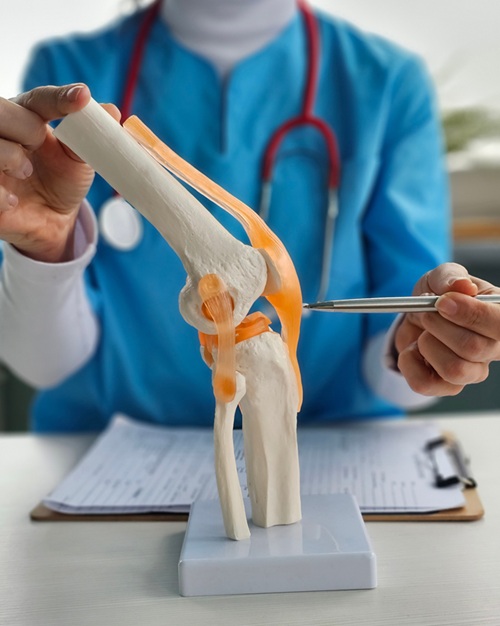
Why Physical Therapy Is Essential for Knee Pain
Physical therapy (PT) is the gold standard, first-line treatment for most causes of knee pain—including osteoarthritis, ligament tears, tendonitis, and post-surgical recovery. Clinical studies show PT is more cost-effective, safer, and associated with greater long-term success than passive treatments or surgery in all but the most severe cases.
- PT works by restoring strength, flexibility, and balance around the knee.
- Therapists guide you through exercises that gradually restore function and help manage pain.
- Gentle, early movement improves circulation, reduces inflammation, and prevents long-term stiffness.
- Programs are always personalized—tailored to your diagnosis, pain level, activity goals, and overall health.
Understanding Knee Pain: Common Causes & When to Seek Help
Knee pain can stem from many conditions—some sudden, others chronic or degenerative. The most common include:
- Osteoarthritis: Wear-and-tear in cartilage, more frequent as we age.
- Ligament injuries: ACL, MCL, or PCL sprains/tears, often from sports or falls.
Meniscus tears: Cartilage damage triggered by twisting injuries. - Tendonitis: Inflammation of the patellar or quadriceps tendons, especially in athletes.
- If you experience knee pain that lasts more than a few days, swells, causes limping, wakes you at night, or interferes with daily activity, an evaluation by a physical therapist is recommended. Early intervention prevents minor issues from becoming chronic.
Individualized Physical Therapy Regimens
Your plan starts with a thorough evaluation—assessing:
- Range of motion, strength, balance, gait, and functional limitations.
- Pain triggers and patterns during movement, standing, and rest.
- Postural issues, foot/hip function, and overall biomechanics.
Evidence-based PT strategies include
- Manual therapy: Hands-on techniques to improve joint and soft tissue mobility.
- Resistance/strength exercises: Focusing on the quadriceps, hamstrings, glutes, calves, and hip stabilizers. Strong hips and core are just as important as knee muscles.
- Neuromuscular re-education: Training your nervous system and muscles to coordinate properly—reducing risk of future injuries.
- Balance and proprioception: Crucial for joint stability and fall prevention.
- Progressive functional drills: Restoring everyday activities like squatting, walking, stair climbing, and athletic movement.
- Patient education: You’ll learn self-care principles, coping strategies, and techniques for home exercise.
- Exercise is always scaled to your current abilities, progressing gradually to prevent overload and flare-ups.

Recovery Timeline: What to Expect
Every knee is different, but here’s a typical progression:
- First 1–2 weeks: Pain control, gentle mobility, and swelling reduction.
- Weeks 3–6: Progressive strength, balance work, and return to basic activity.
- Weeks 7–12: Advanced strengthening, function restoration, and integration of real-world activities.
Statistics:
- 72% of patients attend at least their initial rounds of prescribed PT, with most reporting significant improvement by the 12-week mark.
- Over 20 years, knee pain has increased 65% in prevalence, accounting for nearly 4 million primary care visits each year.
- By age 75, up to 50% of individuals report knee-related discomfort.
- Comprehensive PT reduces pain and improves joint function in knee osteoarthritis patients, with effect sizes ranging from 0.29 to 0.49 for pain and up to 0.52 for improved function.
Preventing Recurrence: Maintenance & Lifestyle
Post-recovery, staying pain-free involves:
- Regular exercise, maintaining muscle strength and flexibility.
- Healthy weight management—each excess pound increases knee stress by four-fold.
- Ergonomic movement patterns—lifting, walking, running with proper technique.
- Periodic check-ins for early intervention if pain returns.
- Ongoing anti-inflammatory nutrition and staying physically active.
- Our programs include detailed home exercise and lifestyle guides to maximize your long-term joint health.
Our Holistic Knee Pain Treatment Philosophy
We believe the most successful outcomes come from truly integrative care. That’s why your knee pain program may include:
- Physical therapy: Targeted strengthening, mobility, and function restoration.
- Regenerative medicine: Including platelet-rich plasma (PRP), prolotherapy, or hyaluronic acid injections when medically appropriate.
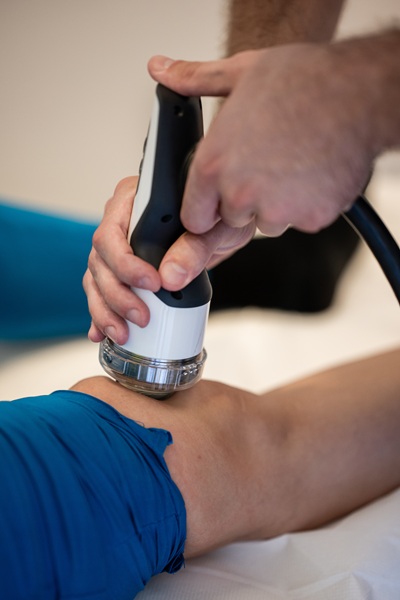
- Shockwave therapy: Promotes local healing, reduces inflammation, and stimulates tissue repair (often used for persistent tendonitis or post-injection support).
- Anti-inflammatory nutrition guidance: Diet plays a vital role in joint health and healing—our team offers actionable nutrition counseling tailored to your individual needs.
- Chiropractic therapy: Improving posture, relieving mechanical stress, and optimizing joint alignment complements PT and reduces recurrence risk.
This holistic approach means you get a coordinated recovery plan designed to address the root causes of knee pain—not just mask the symptoms.
Injectable Treatments: When Needed
For moderate to severe pain, or when conservative therapy is not enough, our team can provide:
- Corticosteroid injections: For rapid inflammation control (short-term relief).
- Hyaluronic acid (viscosupplementation): Improves joint lubrication, especially in osteoarthritis.
- Regenerative injections (PRP, prolotherapy): Stimulate the body’s own healing potential, often reducing the need for surgery.
We always exhaust non-invasive approaches first but will never let pain prevent you from progressing.
Frequently Asked Questions
1. How do I know if I need physical therapy for knee pain?
If your pain interferes with walking, stairs, sleep, or athletic activity—or hasn’t improved after several days of home care—PT is warranted.
2. What types of exercises will I do?
You will progress from gentle range-of-motion and stretching, to targeted strengthening, balance drills, and personalized functional activities.
3. Do you accept health insurance?
Yes! We accept and process claims from all major insurances and verify your benefits upfront, so you can focus on healing.
4. Can I avoid surgery with physical therapy?
Most knee pain conditions respond well to structured, individualized PT—and evidence shows non-surgical care is effective for most people. Surgery is only considered if all conservative measures are exhausted.
5. What are my options if PT alone isn't enough?
If plateaued, we may supplement your recovery with knee injections (cortisone, hyaluronic acid, regenerative) or advanced therapies including shockwave and nutrition interventions. Your care plan is always adjusted based on your progress and goals.
Take Control of Your Knee Pain
Don’t let knee pain dictate your life. Our team is here to provide you with a personalized, holistic recovery plan that addresses not just your symptoms but your whole body health. Whether you’re struggling with chronic arthritis, recovering from injury, or seeking to avoid surgery, our evidence-based approach fuses the latest in physical therapy and regenerative medicine to help you reclaim your independence.
Where Does It Hurt? We Can Help.