How to Maximize Your Results with GLP‑1 Meds
GLP‑1 medications can be powerful tools for weight loss and metabolic health, but they work best when combined with supportive habits. Think of your medication as the engine and your daily choices as the steering wheel—both matter.
GLP‑1 Meds Are a Tool, Not a Magic Fix
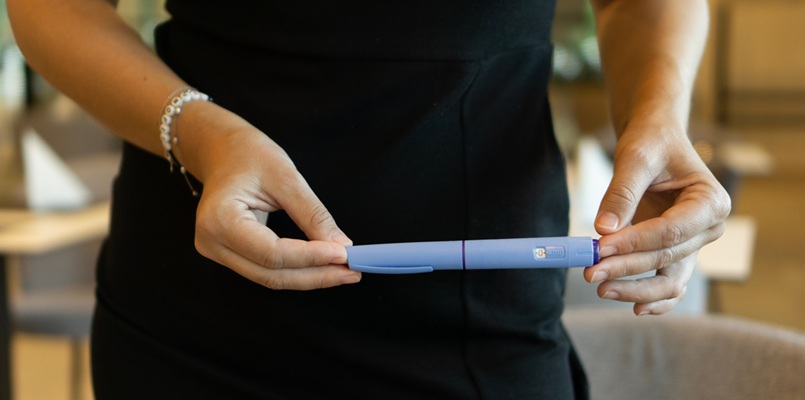
GLP‑1 medications help regulate appetite, slow stomach emptying, and support healthier blood sugar control. Many people notice fewer cravings, smaller portion sizes, and more stable energy.
But medication alone cannot:
- Build or preserve muscle
- Choose nourishing foods
- Manage stress and sleep
- Rewire emotional eating patterns
Those pieces come from your day‑to‑day habits—and that is where you have the most power.
Be Patient and Set Realistic Expectations
Healthy progress on GLP‑1s is often steady but not perfectly linear. Some weeks the scale moves quickly, others it barely changes. That does not mean the medication “stopped working.”
Keep these points in mind:
- Weight loss often happens in phases and plateaus are normal.
- Losing more slowly can protect muscle, hormones, and energy.
- Non‑scale wins matter: better labs, fewer cravings, looser clothes, easier breathing, less joint pain, better mood.
- Dose adjustments and time are often needed to find your “sweet spot” for results and side effect control.
Give yourself permission to move at a sustainable pace. Consistency beats perfection.
Build a GLP‑1 Friendly Way of Eating
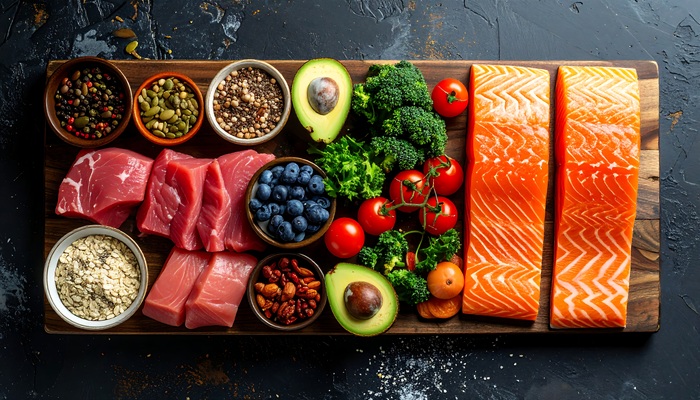
When appetite drops, every bite counts more. The goal is not to eat as little as possible—it is to make the food you do eat work harder for your health.
Focus on Whole, Minimally Processed Foods
Ultra‑processed foods can spike blood sugar and trigger cravings, even when you’re on GLP‑1s. Center your meals around:
- Lean proteins (fish, chicken, turkey, eggs, Greek yogurt, tofu, tempeh)
- Colorful vegetables and fruits
- Whole grains (oats, quinoa, brown rice, whole‑grain bread)
- Beans, lentils, and other legumes
- Healthy fats like olive oil, avocado, nuts, and seeds
A simple plate template:
- ½ plate vegetables
- ¼ plate protein
- ¼ plate whole‑grain or starchy vegetable
- Add a small serving of healthy fat
Fiber helps with fullness, blood sugar control, digestion, and gut health—all especially helpful when you’re eating less.
Ways to add more fiber:
- Add beans or lentils to salads, soups, tacos, and bowls.
- Choose high‑fiber fruits like berries, apples, pears, and oranges.
- Load your plate with non‑starchy veggies (leafy greens, broccoli, cauliflower, peppers).
- Swap white bread, rice, and pasta for whole‑grain versions.
Increase fiber gradually and drink plenty of water to avoid bloating and constipation.
Incorporate Healthy Fats
Healthy fats support hormones, brain health, and satiety. They help your meals feel satisfying, even in smaller portions.
Great sources:
- Extra‑virgin olive oil
- Avocado and guacamole
- Nuts and nut butters
- Seeds (chia, flax, pumpkin, sunflower)
- Fatty fish (salmon, sardines, mackerel)
Examples:
- Drizzle olive oil over roasted vegetables.
- Add avocado to salads, eggs, or toast.
- Snack on a small handful of nuts paired with fruit.
Add Fermented Foods for Gut Health
GLP‑1 meds can change how your gut feels and functions. Fermented foods can support a more diverse gut microbiome, which may benefit digestion, immunity, and overall health.
Options to try:
- Yogurt with live cultures or kefir
- Kimchi or sauerkraut (unpasteurized, refrigerated)
- Miso, tempeh, or natto
- Kombucha (watch added sugars)
Start with small amounts (a few tablespoons to ½ cup) once or twice a day and pay attention to how your body responds.
Limit Processed and Sugary Foods
You do not have to be “perfect,” but consistently high intake of ultra‑processed foods can slow your progress.
Aim to reduce:
- Sugary drinks (soda, sweet tea, energy drinks, many coffee drinks)
- Candy, pastries, and high‑sugar desserts
- Packaged snacks high in refined flour, sugar, and seed oils
- Fast food and fried foods
Swap ideas:
- Sugary drinks → water, sparkling water with lemon/lime, unsweet tea
- Candy → a piece of fruit paired with nuts or Greek yogurt
- Chips → air‑popped popcorn, roasted chickpeas, or a small portion of nuts
Exercise: Protect Muscle, Metabolism, and Mobility

Because GLP‑1s can reduce how much you eat, there is a real risk of losing muscle along with fat. Movement helps protect your muscle, metabolism, and joints.
Prioritize Resistance Training
Resistance training (strength training) tells your body to hold on to muscle while you lose weight.
Aim for 2–3 days per week, focusing on major muscle groups:
- Squats or sit‑to‑stands
- Hip hinges (like deadlifts or bridges)
- Rows and presses for the upper body
- Core work (planks, dead bugs, bird dogs)
You can use:
- Body weight
- Resistance bands
- Dumbbells or kettlebells
- Machines at the gym
Start light and focus on safe, controlled movements. If you have pain or limitations, get personalized guidance.
Include Cardio and Daily Movement
Cardio supports heart health, stamina, and additional calorie burn.
Options:
- Walking
- Cycling (indoor or outdoor)
- Swimming or water aerobics
- Low‑impact classes or elliptical
You can:
- Set a step goal that is realistic for your current fitness.
- Break movement into short “bouts” throughout the day.
- Use walks to manage stress and support blood sugar after meals.
Start Where You Are
If you are new to exercise, dealing with pain, or have a busy schedule:
- Begin with 5–10 minutes of movement and build up over time.
- Choose low‑impact activities like walking, stationary cycling, or water‑based exercise.
- Focus on consistency, not intensity. Small, repeatable actions matter most.
Stress, Sleep, and Emotional Health

GLP‑1 medications work on the body, but stress and sleep have enormous influence on hunger hormones, cravings, and weight.
Managing Stress
Chronic stress can:
- Increase emotional eating
- Worsen blood sugar control
- Disrupt sleep
- Make it harder to stay consistent
Simple stress‑management ideas:
- 5–10 minutes of deep breathing or meditation
- Gentle stretching or yoga
- Short outdoor walks
- Journaling or gratitude lists
- Therapy, coaching, or support groups when needed
Choose strategies that feel doable and sustainable, not like another “task.”
Prioritizing Sleep
Sleep affects appetite, cravings, mood, and energy. Poor sleep can make weight loss much harder.
Better sleep habits:
- Aim for a consistent bedtime and wake time.
- Keep your bedroom dark, cool, and quiet.
- Limit screens and stimulating content for an hour before bed.
- Create a calming routine: reading, stretching, or breathing exercises.
Smart Supplement Use
Supplements may help fill gaps but should never replace medical care, nutrition, or movement. Always talk with your healthcare provider before starting anything new.
Common considerations:
- Multivitamin: May help if your intake is low because of reduced appetite.
- Omega‑3s (fish oil or algae‑based): Support heart and brain health and may help with inflammation.
- Vitamin D and magnesium: Often low in many adults; these nutrients play roles in bone health, mood, and energy.
- Probiotics: For some people, probiotics can support gut health, but many can get similar benefits from fermented foods.
Be cautious with “fat‑burner” products or anything promising extreme results. They may be ineffective at best and dangerous at worst, especially alongside prescription medications.
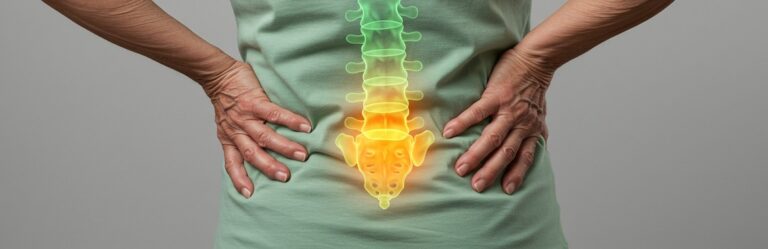
How Weight Loss Can Help Chronic Pain and Mental Health
GLP‑1 medications often do more than change the number on the scale—they can change how your body feels and how you move through the world.
Chronic Pain
Weight loss can:
- Reduce stress on weight‑bearing joints like knees, hips, ankles, and the lower back
- Improve posture, alignment, and ease of movement
- Support better sleep, which is essential for pain control
- Decrease systemic inflammation that can amplify pain signals
When weight loss is combined with appropriate exercise, mobility work, and possibly physical therapy, many people notice meaningful improvements in daily function and pain levels.
Mental Health
Improved physical health often influences emotional well‑being:
- Increased energy can make it easier to be active and social.
- Feeling more in control of eating can reduce guilt and shame around food.
- Better sleep and more stable blood sugar can support mood and focus.
At the same time, rapid changes in body size, appetite, and identity can be emotionally complex. It is normal to need support as you adjust to a different way of living in your body.
FAQs About Maximizing Results with GLP‑1 Medications
How fast should I expect to lose weight on GLP‑1 meds?
Rates differ from person to person. Many people lose weight gradually over months, with some faster periods and some plateaus. Sustainable loss and overall health matter more than hitting a specific weekly number.
Do I still need to exercise if the medication is working?
Yes. Exercise helps protect muscle, supports your metabolism, improves joint health, and benefits your heart, mood, and sleep. Medications and movement work better together than either alone.
What should I eat if my appetite is very low?
Prioritize nutrient‑dense foods: lean protein, fiber‑rich vegetables and fruits, healthy fats, and whole grains. Smaller, more frequent meals or snacks can help you meet your protein and nutrient needs without feeling overwhelmed.
What if I hit a plateau on GLP‑1 meds?
Plateaus are common. Review your habits: intake, protein and fiber, movement, sleep, and stress. Sometimes small tweaks or a medication adjustment with your clinician are enough to restart progress.
Will I regain weight if I stop the medication?
Weight regain is possible if old habits return and no long‑term plan is in place. Building sustainable eating patterns, an exercise routine, and stress‑management strategies now can help protect your progress, whether you stay on medication or eventually taper off.
Can GLP‑1 medications help my blood sugar and cholesterol, too?
For many people, GLP‑1s help improve blood sugar control and can positively affect other metabolic markers. Your clinician will monitor labs and adjust your treatment plan as needed.
Is it normal to feel emotionally different about food on GLP‑1s?
Yes. Many people feel less driven by food, which can be freeing and also unsettling. Talking about these changes with a clinician, therapist, or support group can make the transition easier.
Ready to Get More from Your GLP‑1 Journey?
GLP‑1 medications can open the door to meaningful, lasting change—but the real transformation comes from how you eat, move, manage stress, and care for your mind and body.
If you are ready to:
- Build a realistic plan for nutrition and movement
- Protect your muscle, joints, and metabolism
- Get help with plateaus, side effects, and long‑term strategy
- Support your mental health while your body changes
Schedule a weight‑loss appointment with our team. Together, we will design a personalized plan that aligns your GLP‑1 medication, lifestyle, and goals—so you can feel better, move better, and live better for the long term.