
Chronic Pain After Hip Replacement Surgery
Understanding Chronic Pain After Hip Replacement Surgery
While hip replacement surgery is often highly successful in relieving pain and restoring function to the hip joint, some patients may experience lingering discomfort or pain that persists long after the surgical procedure. This persistent pain, known as chronic pain after hip replacement surgery, can be caused by a variety of factors, including:
Nerve Damage
Damage to the nerves surrounding the hip joint during surgery can result in chronic pain that persists beyond the initial recovery period.
Scar Tissue Formation
The formation of scar tissue around the surgical site can contribute to stiffness, inflammation, and ongoing pain.
Implant Issues
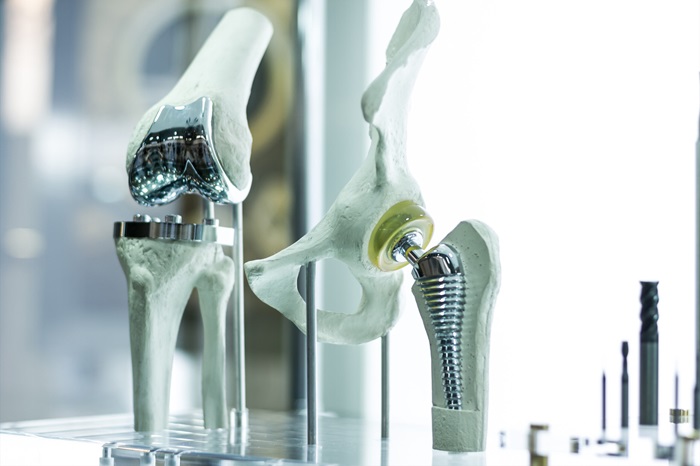
In some cases, issues with the hip implant itself, such as loosening, malalignment, or wear and tear, can lead to chronic pain symptoms.
Soft Tissue Damage
Damage to the muscles, tendons, or ligaments surrounding the hip joint during surgery can result in chronic pain and discomfort.
Personalized Treatment Approach
We believe in taking a personalized approach to the treatment of chronic pain after hip replacement surgery. Rather than offering a one-size-fits-all solution, we tailor our treatment plans to address the unique needs and goals of each individual patient. Depending on the underlying cause of your pain, your personalized treatment plan may include a combination of the following:

Anti-inflammatory food plan
Anti-inflammatory nutrition: plays a pivotal role in pain management by mitigating inflammation, a common cause of discomfort. Our registered dietitian nutritionists will craft a food plan that includes ingredients rich in omega-3 fatty acids, such as salmon and flaxseeds, along with colorful fruits and vegetables abundant in antioxidants, like berries and leafy greens, help alleviate pain and promote overall well-being.
Physical Therapy
Physical Therapy: Our skilled physical therapists will work with you to improve strength, flexibility, and range of motion in the hip joint through targeted exercises and stretching techniques. Physical therapy can help reduce pain, improve function, and enhance your ability to perform daily activities.
Medications
Medications: We may prescribe pain medications, anti-inflammatory drugs, or nerve pain medications to help alleviate discomfort and improve your overall quality of life.
Interventional Procedures
Interventional Procedures: For patients with persistent pain that does not respond to conservative treatments, we may recommend minimally invasive procedures such as corticosteroid injections, nerve blocks, or radiofrequency ablation to target and alleviate pain at its source.
Take the First Step Toward Relief
Don’t let chronic hip pain control your life any longer. Take the first step toward relief by scheduling a consultation at 469-444-7246 today. Our dedicated team of pain management specialists is here to listen, evaluate your condition, and develop a personalized treatment plan tailored to your unique needs and goals.