
Spinal Cord Stimulator
Procedures
- Bursa Injections
- Dorsal Root Ganglion (DRG) Stimulation
- Epidural Steroid Injection
- Facet Injections
- Gel Knee Injections
- Joint Injections
- Kyphoplasty
- Medial Branch Nerve Block
- Peripheral Nerve Block
- Radiofrequency Ablation
- Sacroiliac SI Joint Injection
- Spinal Cord Stimulator
- Sympathetic Nerve Block
- Trigeminal Nerve Block
- Trigger Point Injections
Advanced Pain Management Procedure
A spinal cord stimulator (SCS) is an advanced, minimally invasive therapy for chronic pain, available at Holistiq Spine & Orthopaedic. This page explains how SCS works, the conditions it treats, who qualifies, clinical results, the patient experience, integrated holistic options, and answers to top questions so people can make empowering decisions for long-term pain relief.
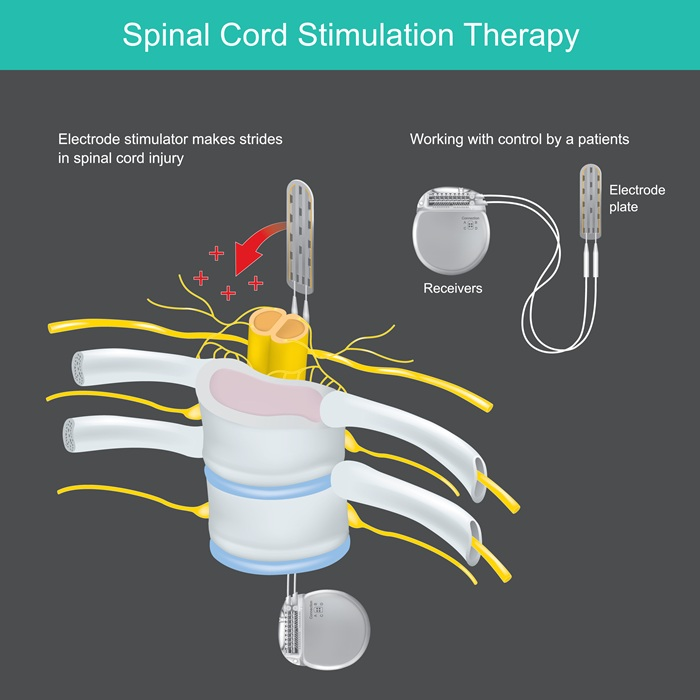
What Is a Spinal Cord Stimulator?
A spinal cord stimulator is a surgically implanted medical device that sends mild electrical pulses to the spinal cord. These pulses block or modify pain signals before they reach the brain, providing substantial relief in cases where conventional therapies have failed.
Types of Pain Treated
Spinal cord stimulation is most effective for:
- Chronic back and neck pain (with or without leg/arm pain)
- Pain after failed back surgery (Failed Back Surgery Syndrome)
- Complex regional pain syndrome (CRPS)
- Diabetic and other neuropathic pain
- Chronic sciatica, nerve damage, and spinal pain from arthritis
- Pain from peripheral neuropathy, ischemia, or post-surgical nerve injury
Who Is a Good Candidate?
Ideal candidates for SCS:
- Suffer from chronic pain for at least 6 months, unrelieved by medical or surgical treatments
- Experience neuropathic or nerve-related pain
- Have undergone thorough psychological and physical evaluation
- Achieved at least 50% pain relief during a trial stimulator period
- Are willing to take an active role in device care, adjustment, and follow-up
Clinical Research
- A 2024 systematic review found SCS superior to conventional medical management for chronic back and lower limb pain in multiple outcomes.
- 41–54% of patients with long-standing pain (including CRPS) maintain at least 30% pain relief long term, with higher benefit in the first 1–2 years.
- Modern SCS (high-frequency, “HF10”) devices show up to 70–80% of patients achieving significant (≥50%) pain reduction at 12–24 months, sustained with low complication rates.
- SCS improves function, sleep, and overall quality of life; opioid use often decreases following successful stimulation.
What to Expect
Before, During and After the Procedure
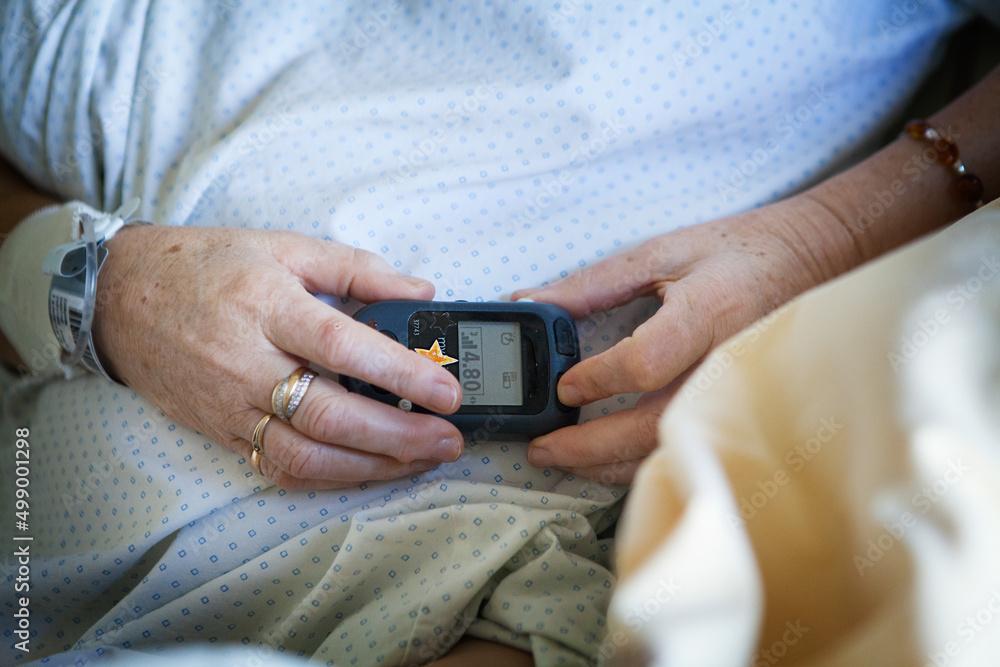
Before: Candidates undergo physical, psychological assessment, trial stimulation, and medication review.
During: The temporary trial device is placed using minimally invasive outpatient techniques. If successful, a permanent system (pulse generator and leads) is implanted under the skin under local or general anesthesia.
After: Most patients go home the same day or next morning. Soreness and adjustment period are expected. SCS does not cure the underlying condition, but helps manage pain long-term. Regular programming and periodic follow-ups are required for optimal results.
Expected Outcomes
- Substantial, long-term reduction in pain (30–80% in most studies)
- Increased ability to participate in daily activities
- Improved sleep, mood, and quality of life
- Reduced need for strong pain medications
- Adjustable, reversible therapy with low risk of significant complications
Alternative and Complementary Treatments
- Physical therapy, rehabilitation, and exercise programs to improve strength and mobility
- Pain medications, nerve blocks, and anti-inflammatory drugs
- Cognitive behavioral therapy and psychological support
- Acupuncture, massage, and mindfulness strategies to reduce pain perception
- Integrative therapies like chiropractic care, nutrition optimization, and electrotherapy for additional symptom control
Holistiq’s Integrative Care Options
Holistiq optimizes outcomes using a blend of modern procedures and holistic therapies, before and after SCS:
Anti-Inflammatory Nutrition
Personalized plans to reduce inflammation and support tissue healing.
Shockwave Therapy
Non-invasive acoustic waves stimulate tissue healing, reducing muscle and nerve pain.
Peripheral Magnetic Stimulation (PMS)
Uses electromagnetic fields to decrease nerve and muscle pain, and improve circulation.
Chiropractic & Manual Therapy
Spinal adjustments and manual techniques restore alignment and mobility.
Image-Guided Injections (Case-Dependent)
- PRP or stem cell injections for regenerative disc therapy
- Lumbar epidural steroid injections
- Facet or medial branch blocks
Brain and Body Optimization
Mind-body therapies, sleep and stress management, and cognitive wellness programs.
Movement Restoration and Rehabilitation
Tailored exercise and movement plans to restore strength, flexibility, and prevent future pain.
FAQs About Spinal Cord Stimulators
Is spinal cord stimulation safe?
SCS is considered safe with a low risk of serious complications. Most issues are minor and can be addressed by programming adjustments or minor revisions.
How long does pain relief from SCS last?
Most patients experience relief for several years; device adjustments may be needed over time to maintain benefit.
Will I feel the stimulation?
Many people describe a mild tingling or paresthesia. Modern devices offer “paresthesia-free” options which provide pain relief with little or no sensation.
Can SCS be removed or reversed?
Yes, the device can be turned off, removed, or replaced if needed without permanent change to the spine.
Does insurance cover spinal cord stimulation?
Most insurance, including Medicare, provides coverage for SCS for approved indications after conservative treatment has failed.
Why Choose Holistiq Spine & Orthopaedic?
Holistiq Spine & Orthopaedic offers expert pain management anchored in the latest technology and deep integrative care. Board-certified specialists tailor each patient’s plan using minimally invasive procedures, advanced SCS devices, and holistic therapies that enhance recovery and overall wellness.
Where Does It Hurt? We Can Help.





Procedures
- Bursa Injections
- Dorsal Root Ganglion (DRG) Stimulation
- Epidural Steroid Injection
- Facet Injections
- Gel Knee Injections
- Joint Injections
- Kyphoplasty
- Medial Branch Nerve Block
- Peripheral Nerve Block
- Radiofrequency Ablation
- Sacroiliac SI Joint Injection
- Spinal Cord Stimulator
- Sympathetic Nerve Block
- Trigeminal Nerve Block
- Trigger Point Injections