
Understanding the Mind-Body Link
Chronic pain is more than just a physical burden—it’s a condition that can impact every aspect of a person’s life, including their emotional and psychological well-being. Research has long shown a strong connection between chronic pain and mental health disorders such as depression, anxiety, and post-traumatic stress disorder (PTSD). As many as 85% of people with chronic pain also experience some degree of depression, and those with mental health conditions often report a lower tolerance for pain. Understanding and treating both aspects—physical and psychological—is essential for effective, long-term relief.
How Chronic Pain Affects Mental Health
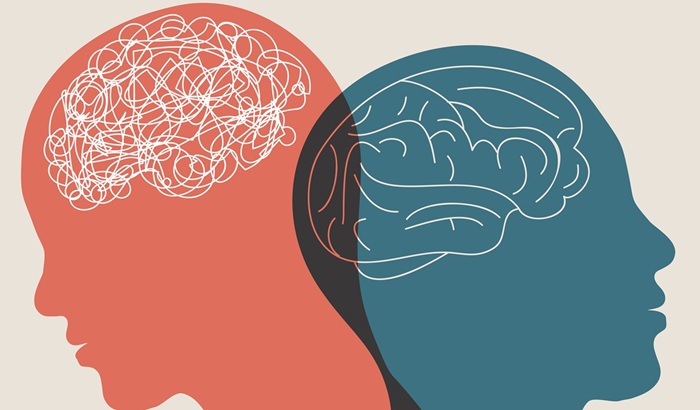
Pain that persists for weeks, months, or even years doesn’t just wear down the body—it wears down the mind. It disrupts sleep, reduces activity levels, and interferes with work, relationships, and daily routines. Over time, the ongoing discomfort and frustration can lead to feelings of hopelessness, isolation, and emotional exhaustion. This cycle is sometimes referred to as the pain-depression cycle—where pain leads to depression, and depression, in turn, intensifies the perception of pain.
Anxiety is also a common co-occurrence with chronic pain. Many patients live in fear of triggering or worsening their pain, which may lead to avoidance behaviors and social withdrawal. These psychological responses not only increase distress but can also contribute to further physical deconditioning and disability.
The Role of the Brain in Pain Perception
Chronic pain is not solely a physical issue—it’s also influenced by the way the brain processes pain signals. When pain persists, the nervous system becomes more sensitive, and the brain’s pain processing pathways become overactive. Neurotransmitters like serotonin and norepinephrine, which play a role in both mood regulation and pain perception, may become imbalanced, leading to heightened pain sensations and emotional distress.
This overlapping neurobiology helps explain why treating chronic pain often requires more than medication and physical therapy. A comprehensive treatment plan must address the mental health component to break the cycle of pain and psychological suffering.
Conventional Treatments for Chronic Pain

Conventional pain management includes a range of therapies designed to relieve pain and improve function. These may include:
- Medications: Anti-inflammatory drugs, muscle relaxants, nerve pain medications, or in some cases, low-dose antidepressants, which can help manage both mood and pain perception.
- Interventional Procedures: Injections such as nerve blocks, epidural steroid injections, or radiofrequency ablation can help reduce inflammation and disrupt pain signals.
- Chiropractic care: relieves chronic pain by realigning the spine, improving mobility, reducing nerve compression, and promoting natural healing without the need for surgery or medications.
- Physical Therapy: Strengthening and mobility exercises help reduce mechanical stress on joints and muscles.
- Behavioral Health Support: Psychotherapy, particularly cognitive behavioral therapy (CBT), helps patients reframe negative thoughts, develop coping skills, and reduce the emotional impact of chronic pain.
But for some patients, these treatments may not fully address the underlying neurological component of their chronic pain and depression. That’s where Transcranial Magnetic Stimulation (TMS) may come in.
What Is TMS and How Can It Help?
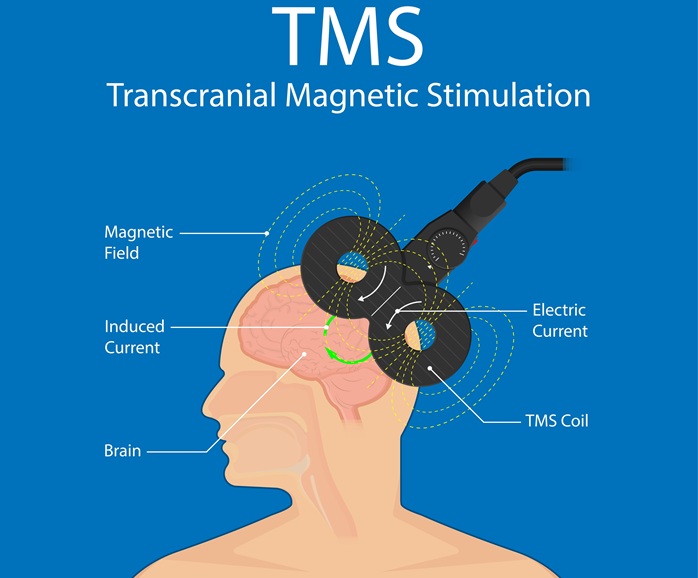
Transcranial Magnetic Stimulation (TMS) is a non-invasive, FDA-approved treatment that uses magnetic pulses to stimulate specific areas of the brain involved in mood regulation and pain perception. TMS is most commonly used to treat major depressive disorder, especially in patients who haven’t responded well to medications.
However, studies have shown that TMS can also be effective in reducing certain types of chronic pain—especially when depression is a contributing factor. For instance, conditions like fibromyalgia, neuropathic pain, and even migraines have been found to respond to TMS in some patients. By improving brain connectivity and restoring chemical balance, TMS may reduce both emotional distress and the intensity of pain signals.
TMS does not require anesthesia or sedation, and because it does not involve systemic medications, it has a low risk of side effects. Treatment is typically delivered over several weeks in outpatient sessions.
Treating the Whole Person
When chronic pain is paired with depression or anxiety, treating just one aspect rarely leads to complete relief. Instead, pain specialists are increasingly recognizing the value of integrative care—a multidisciplinary approach that treats the whole person, not just their symptoms.
Combining conventional pain management with therapies like TMS, behavioral counseling, nutrition, and physical rehabilitation offers a more complete solution. It addresses the physical sources of pain, while also rewiring the brain’s response to that pain.
If you or a loved one is living with chronic pain and struggling emotionally, don’t suffer in silence. There are treatments available that can offer real relief—not just for your body, but for your mind as well.