
Joint Injections for Pain Relief
Procedures
- Bursa Injections
- Dorsal Root Ganglion (DRG) Stimulation
- Epidural Steroid Injection
- Facet Injections
- Gel Knee Injections
- Joint Injections
- Kyphoplasty
- Medial Branch Nerve Block
- Peripheral Nerve Block
- Radiofrequency Ablation
- Sacroiliac SI Joint Injection
- Spinal Cord Stimulator
- Sympathetic Nerve Block
- Trigeminal Nerve Block
- Trigger Point Injections
At Holistiq Spine & Orthopaedic, we believe in treating pain at its root—not just masking symptoms. Our multidisciplinary team of physicians, therapists, and wellness specialists uses advanced interventional treatments, such as joint injections, alongside holistic therapies including anti-inflammatory nutrition, regenerative medicine, and brain-body optimization. The goal: restoring balance, mobility, and long-term health without unnecessary surgery.
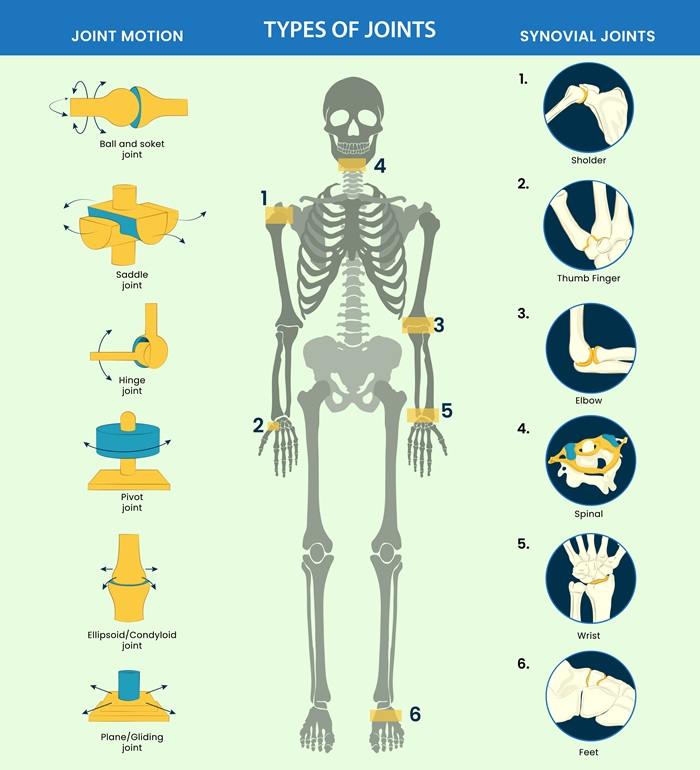
About Joint Injections?
Joint injections deliver therapeutic medication directly into the joint space, targeting the exact source of pain and inflammation. By bypassing oral medications, injections provide faster relief with fewer systemic side effects.
- Minimally invasive: No hospital stay or lengthy downtime.
- Guided by imaging: Fluoroscopy or ultrasound ensures pinpoint accuracy.
- Dual purpose: Both therapeutic (pain relief) and diagnostic (confirming the joint as the pain source).
Types of Joint Injections
Corticosteroid Injections
- Blend of steroid + numbing agent.
- Best for arthritis flares, tendonitis, and bursitis.
- Relief: Weeks to months.
Hyaluronic Acid (HA) Injections
- Acts as a “joint lubricant,” especially in the knees.
- Improves mobility and reduces friction.
- Relief: Up to 6 months.
Platelet-Rich Plasma (PRP) Injections
- Uses your body’s own platelets to stimulate healing.
- Encourages tissue repair, reduces inflammation.
- Relief: Longer onset, but potential long-term benefits.
Placental Tissue Matrix (PTM) Injections
- Rich in natural growth factors.
- Reduces inflammation without steroids.
- Useful for patients seeking regenerative, steroid-free care.
Conditions Treated With Joint Injections
- Osteoarthritis (knee, hip, shoulder, spine)
- Tendonitis & tendinopathy
Bursitis - Degenerative arthritis
- Sports injuries & overuse syndromes
- Joint pain due to trauma or poor mechanics

What to Expect
Prior to the Procedure
- Share medical history, allergies, and medications.
- No fasting required; wear comfortable clothing.
During the Procedure
- Local anesthesia for comfort.
- Fluoroscopic (X-ray) or ultrasound imaging for accuracy.
- Procedure length: 30–60 minutes including observation.
After the Procedure
- Temporary soreness at injection site is common.
- Relief may take hours (steroids) or several weeks (PRP/HA).
- Most patients resume normal activities within 24 hours.
Benefits of Fluoroscopy
- Precision: Confirms exact placement.
- Safety: Protects surrounding nerves and tissues.
- Diagnostic value: Confirms if the joint is truly the pain source.

Results & Risks
Expected Results
Facet injections are generally safe, but risks include:
- Temporary soreness or increased pain.
- Infection (rare).
- Bleeding or hematoma at the injection site.
- Allergic reaction to anesthetic, steroid, or contrast dye.
- Temporary numbness or weakness in nearby muscles.
Risks
While generally safe, potential risks include:
- Common: Mild soreness, swelling.
- Less common: Infection, bleeding.
- Rare but serious: Allergic reaction, cartilage wear (from repeated steroids).
All risks are reviewed in detail during your consultation.
When Is Surgery Needed?
Surgery is considered only if:
- Pain persists despite conservative treatments.
- Severe joint damage or instability is present.
- Daily function and quality of life are significantly impaired.
If surgery is recommended, we coordinate seamlessly with orthopedic surgeons and provide perioperative rehabilitation and recovery support.
A Holistic & Integrative Approach
Unlike traditional pain clinics, Holistiq combines injections with evidence-based holistic therapies:
Peripheral magnetic stimulation
Chiropractic and manual therapy
Movement restoration and rehabilitation
This 360° approach ensures your body not only feels better but functions better—helping prevent recurring pain.
FAQs
Q: Do joint injections cure arthritis?
A: No. They don’t reverse arthritis but they reduce pain and inflammation, improving quality of life and delaying the need for surgery.
Q: How often can I get injections?
A: It depends on the type. Corticosteroids are usually limited to 3–4 times per year, while HA, PRP, and PTM can be done more flexibly depending on response.
Q: Will I need physical therapy afterward?
A: In most cases, yes. Injections reduce pain, but movement restoration, strength training, and joint stabilization are essential for lasting results.
Q: Can joint injections be combined with other treatments?
A: Absolutely. They work best when paired with rehab, lifestyle modifications, and holistic therapies for whole-body healing.
Q: Are regenerative injections covered by insurance?
A: Steroid and HA injections are often covered. PRP and PTM may be out-of-pocket, but many patients find the long-term benefits worth the investment.
Q: How do I know which injection is right for me?
A: Your provider will recommend based on your condition, health history, and goals. Often, we start with less invasive options before moving to regenerative therapies.
Q: Can athletes benefit from injections?
A: Yes. Injections are widely used in sports medicine to treat overuse injuries, tendonitis, and cartilage wear—helping athletes return to play faster.
Q: What if injections don’t work for me?
A: We’ll explore other options including radiofrequency ablation, advanced regenerative therapies, or integrative rehab strategies before considering surgical referral.
Why Choose Holistiq Spine & Orthopaedic?
Chronic joint pain doesn’t have to control your life. At Holistiq Spine & Orthopaedic, we combine the precision of advanced interventional medicine with the healing power of holistic therapies to provide care that goes beyond temporary fixes. Whether you’re struggling with arthritis, sports injuries, or long-term inflammation, our team is here to guide you toward lasting relief, improved mobility, and whole-body wellness.
Where Does It Hurt? We Can Help.






Procedures
- Bursa Injections
- Dorsal Root Ganglion (DRG) Stimulation
- Epidural Steroid Injection
- Facet Injections
- Gel Knee Injections
- Joint Injections
- Kyphoplasty
- Medial Branch Nerve Block
- Peripheral Nerve Block
- Radiofrequency Ablation
- Sacroiliac SI Joint Injection
- Spinal Cord Stimulator
- Sympathetic Nerve Block
- Trigeminal Nerve Block
- Trigger Point Injections