
Understanding Lumbar Compression Fractures
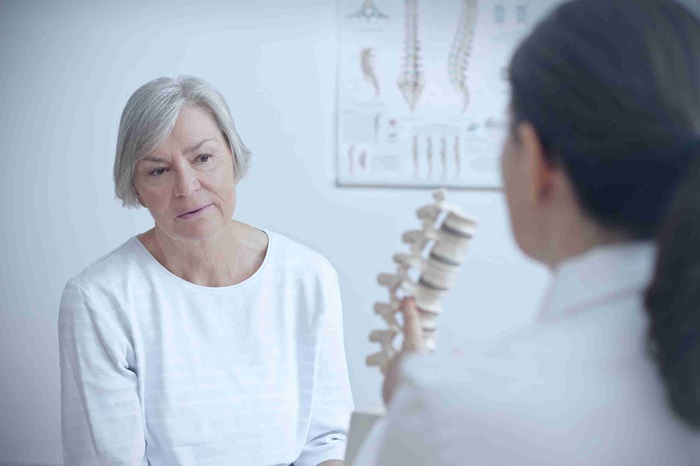
Anatomy of the Spine
The spine, a marvel of engineering, consists of vertebrae that provide structure and support to the body. Lumbar compression fractures typically occur at the bottom part of the thoracic spine (T11 and T12) and the first vertebra of the lumbar spine (L1). These fractures result from excessive pressure on the vertebral body, often due to a combination of bending forward and downward pressure on the spine.
Causes
Several factors contribute to lumbar compression fractures. Osteoporosis, a condition weakening the bones, is a common culprit. Additionally, traumatic events such as falls or accidents can lead to fractures, as can metastatic diseases where cancer cells spread to the spine. Regardless of the cause, the fracture occurs when the bone collapses, forming a wedge shape and causing compression of the cancellous bone within the vertebral body.
Symptoms
Symptoms of lumbar compression fractures vary depending on the cause and severity of the fracture. Sudden, forceful injuries often result in severe back, leg, and arm pain, along with potential weakness or numbness. Gradual fractures due to bone thinning may present with milder pain or no pain until the bone breaks.
Diagnosis
Accurate diagnosis is crucial for effective treatment. A comprehensive history and physical examination, including neurological assessments, help identify the underlying cause of pain. Diagnostic tests such as X-rays, CT scans, and MRIs provide detailed insights into the extent of the fracture and any associated nerve damage.
Treatment Options
- Pain Management: We offer tailored pain management plans that may include mild medications to alleviate discomfort. While medications provide symptomatic relief, they do not facilitate bone healing.
- Activity Modification: Limiting strenuous activities and avoiding heavy lifting are essential for promoting healing. In some cases, bed rest may be recommended, particularly for elderly patients with fragile bones.
- Bracing: Bracing plays a vital role in stabilizing the spine and relieving pressure on the fractured vertebra. Our orthopedic specialists prescribe custom-fitted braces designed to restrict movement and support the spine during the healing process.
- Surgery: While surgery is rarely necessary for most compression fractures, it may be recommended in cases of severe instability or spinal cord compression. Surgical interventions aim to stabilize the spine and alleviate pressure on the nerves, promoting optimal healing and functionality.
Comprehensive Care, Accepting Major Health Insurance
At Holistiq Spine & Orthopaedic Clinic, we prioritize your well-being and offer comprehensive care for lumbar compression fractures. Our experienced team of pain management specialists, orthopedic surgeons, and rehabilitation therapists collaborates to deliver personalized treatment plans tailored to your unique needs. Moreover, we accept major health insurance plans, ensuring accessibility to high-quality care without financial burden. Your path to pain-free living starts here.

Take the First Step Toward Relief
Don’t let chronic back pain control your life any longer. Take the first step toward relief by scheduling a consultation at 469-444-7246 today. Our dedicated team of pain management specialists is here to listen, evaluate your condition, and develop a personalized treatment plan tailored to your unique needs and goals.