Knee pain can be debilitating, affecting your ability to perform daily activities and enjoy life. While surgery is sometimes necessary, many individuals can find relief through non-surgical treatments. Here are the top five non-surgical knee pain treatments to consider:
1. Physical Therapy
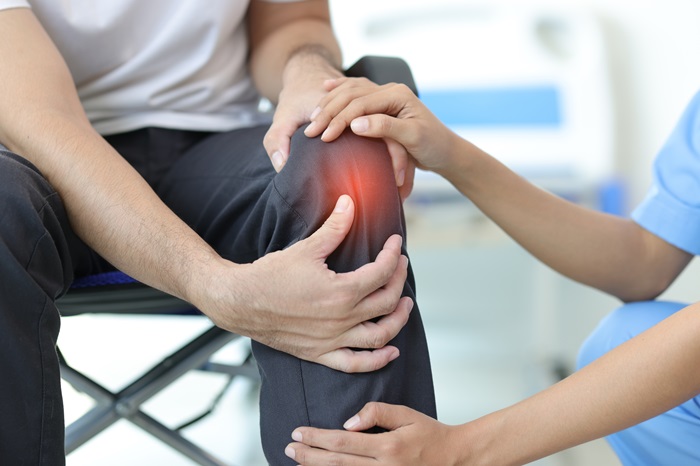
Physical therapy is often the first line of defense against knee pain. A physical therapist will work with you to develop a personalized exercise program that strengthens the muscles around the knee, improves flexibility, and enhances overall joint function.
Benefits:
- Reduces pain and inflammation.
- Improves mobility and range of motion.
- Prevents further injury by enhancing joint stability.
Common Techniques:
- Strengthening exercises.
- Stretching routines.
- Balance and proprioception exercises.
- Manual therapy, including massage and joint mobilization.
2. Medication

Over-the-counter (OTC) and prescription medications can help manage knee pain. The choice of medication depends on the severity and cause of your pain.
Types of Medication:
- NSAIDs (Nonsteroidal Anti-Inflammatory Drugs): Ibuprofen (Advil) and naproxen (Aleve) reduce inflammation and pain.
- Acetaminophen: This pain reliever is suitable for those who cannot take NSAIDs.
- Topical Analgesics: Creams and gels applied directly to the knee can provide localized pain relief.
- Corticosteroid Injections: These are administered by a healthcare provider to reduce inflammation and pain in severe cases.
Benefits:
- Quick pain relief.
- Reduced inflammation.
3. Lifestyle Modifications
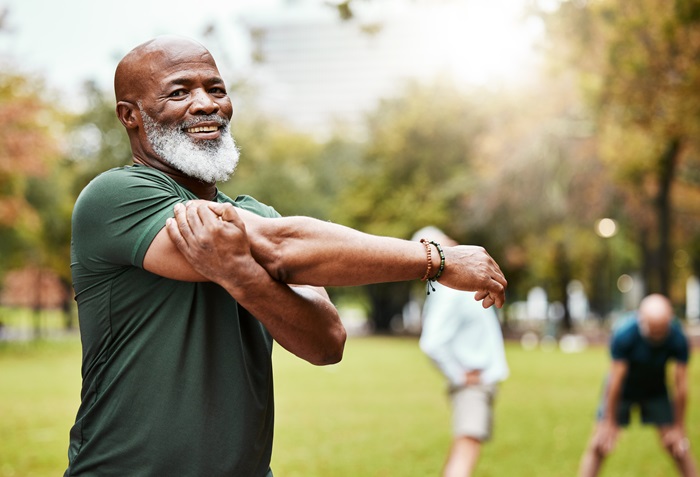
Making changes to your daily habits can significantly reduce knee pain and improve your quality of life.
Strategies:
- Weight Management: Maintaining a healthy weight reduces stress on the knee joints.
- Activity Modification: Avoid activities that exacerbate knee pain, such as high-impact sports. Instead, opt for low-impact exercises like swimming or cycling.
- Ergonomic Adjustments: Ensure that your work and home environments are set up to support joint health, including using supportive footwear and avoiding prolonged periods of sitting or standing.
Add Your Heading Text Here
- Decreased stress on knee joints.
- Improved overall joint health.
4. Assistive Devices
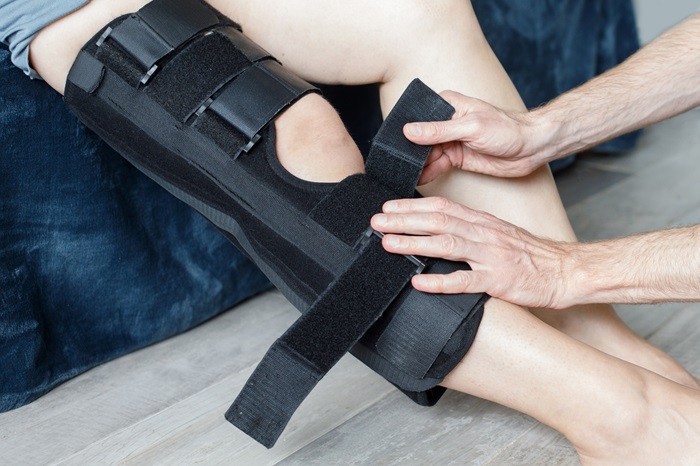
Using assistive devices can help reduce knee pain and improve mobility.
Types of Devices:
- Knee Braces: These provide support and stability to the knee joint.
- Orthotic Inserts: Custom-made shoe inserts can help correct alignment issues that contribute to knee pain.
- Canes or Walkers: These devices can take the pressure off your knees, particularly during flare-ups or recovery periods.
Benefits:
- Enhanced knee stability.
- Reduced pain during movement.
- Prevention of further injury.
5. Alternative Therapies

Several alternative therapies can complement traditional treatments and provide relief from knee pain.
Options:
- Acupuncture: This ancient Chinese practice involves inserting thin needles into specific points on the body to relieve pain and improve function.
- Chiropractic Care: Chiropractic adjustments can help align the body and relieve pressure on the knee joint.
- Massage Therapy: Therapeutic massage can reduce muscle tension and improve circulation around the knee.
- Supplements: Glucosamine and chondroitin are popular supplements believed to support joint health and reduce pain.
Benefits:
- Holistic approach to pain management.
- Improved overall well-being.
Conclusion
Knee pain doesn’t have to be a permanent part of your life. By exploring these non-surgical treatments, you can find a combination that works best for you, alleviating pain and improving your quality of life. Always consult with a healthcare provider before starting any new treatment regimen to ensure it is safe and appropriate for your specific condition.