
A Guide for Employers and Employees
In today’s modern workplace, where many jobs require repetitive motions, prolonged sitting, or awkward postures, ergonomic work injuries have become increasingly common. These musculoskeletal (MSK) injuries can affect productivity, increase absenteeism, and contribute to chronic pain if left untreated. At our MSK pain management clinic, we specialize in helping businesses identify, treat, and prevent ergonomic injuries in the workplace. By partnering directly with employers, we provide streamlined care for injured employees and help foster a healthier, more resilient workforce.
What Are Ergonomic Work Injuries?
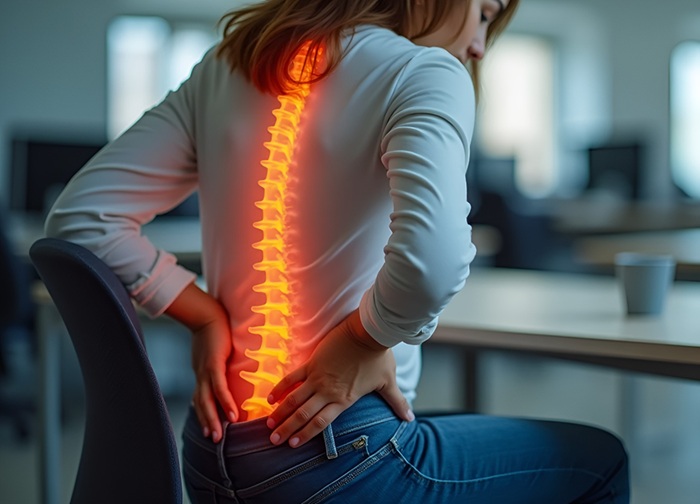
Ergonomic injuries, also known as repetitive strain injuries (RSIs) or cumulative trauma disorders, occur when the body is exposed to repeated stress over time. Unlike traumatic injuries that result from sudden accidents, ergonomic injuries develop gradually and often go unnoticed until they begin to affect work performance or daily activities.
These injuries most commonly affect:
- Neck and shoulders
- Lower back
- Wrists and hands
- Elbows
- Knees and hips (especially in standing or physically demanding jobs
Common causes include:
- Poor workstation design or improper seating
- Repetitive tasks (typing, assembly line work, lifting)
- Awkward body positioning or static postures
- Poor lifting techniques
- Vibration from tools or equipment
- Insufficient breaks or overuse
Common Types of Ergonomic Injuries
Here are a few of the most frequent ergonomic injuries we see in the workplace:
- Carpal Tunnel Syndrome – This condition results from compression of the median nerve in the wrist and is commonly seen in individuals who type, write, or use handheld tools for extended periods. Symptoms: Numbness, tingling, and weakness in the hand, especially the thumb and first few fingers.
- Tendonitis – Overuse of a joint can cause inflammation of the tendons, often in the shoulders, elbows, or wrists. Symptoms: Pain, swelling, and difficulty moving the affected joint.
- Lower Back Pain – Prolonged sitting, poor posture, or improper lifting can strain the lumbar spine. Symptoms: Persistent aching, stiffness, or shooting pain down the legs (sciatica).
- Neck and Shoulder Strain – Improper monitor height or phone cradling can cause chronic tension in the neck and shoulders. Symptoms: Tension headaches, muscle fatigue, and limited range of motion.
- Epicondylitis (Tennis or Golfer’s Elbow) – Caused by repetitive arm motions, this condition results in pain and inflammation in the elbow tendons. Symptoms: Pain when lifting, gripping, or twisting the arm.
How Our MSK Pain Management Clinic Helps

We work closely with employers and their teams to offer an integrated approach to managing ergonomic injuries. Here’s how we help both the individual and the organization:
1. Comprehensive Evaluation and Diagnosis
Our providers begin with a detailed evaluation of each injured employee, including:
- Medical history and job role assessment
- Physical examination
- Diagnostic imaging (if needed)
2. Non-Surgical Treatment Options
Our clinic emphasizes non-invasive and minimally invasive solutions for ergonomic injuries, such as:
- Medication Management: To relieve inflammation and pain without overreliance on opioids.
- Physical Therapy: Tailored exercise plans that restore mobility, strength, and function while correcting poor movement patterns.
- Ergonomic Counseling: Education and training on proper posture, lifting techniques, and workstation adjustments.
- Trigger Point Injections: For muscle pain and spasms.
- Joint and Soft Tissue Injections: Including corticosteroid injections and regenerative options like PRP (platelet-rich plasma) therapy for chronic tendon and joint pain.
3. On-Site Assessments and Employer Collaboration
We often work directly with businesses to assess workstations, recommend modifications, and implement ergonomic solutions that reduce injury risk. Our services include:
- Job site evaluations
- Employee training sessions on body mechanics
- Return-to-work planning
- Functional capacity evaluations
Benefits of Early Intervention
Treating ergonomic injuries early can prevent long-term complications and reduce healthcare costs. Employees who receive timely care:
Recover faster
- Are less likely to develop chronic pain
- Are more productive upon return to work
- Experience fewer recurrences of the same injury
For employers, this means:
Reduced workers’ comp claims
- Lower absenteeism and turnover
- Improved morale and employee satisfaction
- Stronger safety culture
Building a Culture of Prevention
Our clinic’s goal isn’t just to treat injuries—we also work with employers to prevent them. Investing in proactive ergonomic strategies is one of the most cost-effective ways to protect your workforce. Here are a few best practices we help businesses implement:
- Workstation Ergonomics: Adjustable chairs, sit-stand desks, proper monitor placement, and supportive keyboards
- Scheduled Movement Breaks: Encouraging microbreaks and stretches throughout the day.
- Task Variation: Rotating job tasks to reduce strain on specific muscle groups.
- Training and Awareness: Teaching employees how to recognize early signs of MSK strain and report symptoms promptly.
Partner with Our Pain Management Clinic
Whether you’re a business owner looking to protect your team or an employee suffering from repetitive strain, our MSK pain management clinic is here to help. We provide:
Personalized care for every patient
- Seamless communication with employers and HR teams
- Medical documentation and case management for workers’ compensation cases
- Evidence-based therapies that promote lasting recovery
If your company is experiencing rising rates of workplace injuries or if you want to build a more ergonomically sound environment, reach out to us. Let’s create a safer, healthier workplace together—one free from the limitations of untreated pain.