
Trochanteric Bursitis Causes and Treatment
Are you experiencing persistent hip pain that just won’t seem to go away? It could be hip (trochanteric) bursitis, a condition characterized by painful swelling near your hip joint. But fear not – our pain management clinic is here to provide you with expert care and relief.
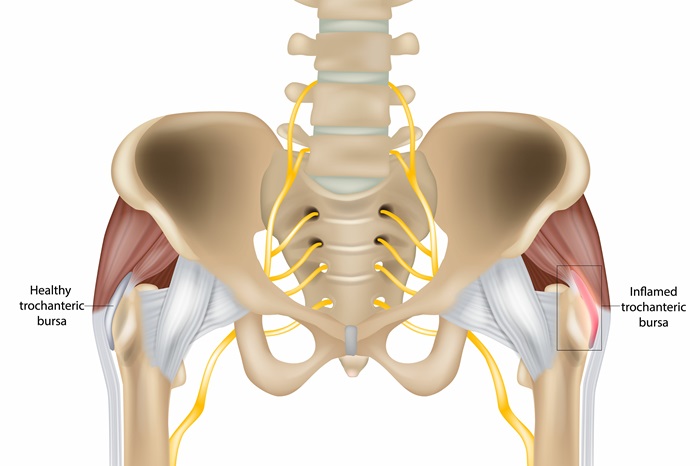
Trochanteric bursitis occurs when the bursa – small, fluid-filled sacs that cushion spaces around bones and tissues – near your greater trochanter becomes damaged, inflamed, or irritated. This results in discomfort and tenderness in the affected area, making everyday activities challenging and painful.
Identifying the Symptoms
Hip pain is the primary symptom of trochanteric bursitis, often felt on the outside of the hip, in the upper thigh, or buttock. This pain may worsen when lying on the affected side or when engaging in activities such as walking or climbing stairs.
Various factors can contribute to the development of trochanteric bursitis, including repetitive motions such as lifting heavy objects or participating in activities like cycling or running. Additionally, hip injuries, poor posture, and certain health conditions like arthritis or diabetes can increase the risk of developing this condition.
Diagnosis and Testing
Comprehensive Treatment Options
At our pain management clinic, we offer comprehensive treatment options to alleviate your hip discomfort and improve your quality of life. Depending on the severity of your condition, our experienced team may recommend the following:
Call Holistiq Spine and Orthopedic at
Rest and Activity Modification
Rest and Activity Modification: Taking a break from activities that aggravate your symptoms allows the bursa time to heal. Our providers will offer guidance on the duration of rest and modifications to your routine.
Pain Management Medications
Pain Management Medications: Over-the-counter pain relievers such as ibuprofen or acetaminophen can help reduce inflammation and alleviate discomfort. Our providers will ensure safe and appropriate use of these medications.
Assistive Devices
Assistive Devices: Canes or crutches may be recommended to reduce pressure on your hip joint while walking or moving around.
Physical Therapy
Physical Therapy: Our skilled physical therapists will develop a personalized exercise regimen to strengthen the muscles surrounding your hip joint and improve flexibility. These exercises can aid in the healing process and prevent future flare-ups.
Injections
Injections: In some cases, corticosteroid injections may be administered directly into the affected area to reduce inflammation and provide relief from pain.
Surgical Intervention
Surgical Intervention: While rare, surgery to remove the bursa may be considered if conservative treatments fail to alleviate symptoms after six months.
Affordable Care Accepted by Major Health Insurance
At our pain management clinic, we understand the importance of accessibility to quality healthcare. That’s why we accept major health insurance plans, ensuring that our services are affordable and accessible to all.

Take the First Step Toward Relief
Don’t let chronic neck pain control your life any longer. Take the first step toward relief by scheduling a consultation at 469-444-7246 today. Our dedicated team of pain management specialists is here to listen, evaluate your condition, and develop a personalized treatment plan tailored to your unique needs and goals.