How Does Neck Pain Cause Headaches?
Neck pain and headaches often go hand-in-hand, causing significant discomfort and impacting daily life. Understanding how these two symptoms are linked—along with their causes, types, and treatments—can help you find real relief.
The neck is a complex structure supporting the weight of our head and housing nerves that transmit pain signals to the head, face, and upper body. When neck structures (like muscles, joints, or nerves) are irritated or injured, pain can “refer” to the head, resulting in a type of headache known as a cervicogenic headache. Other kinds of headaches, like tension headaches and some migraines, also frequently involve neck pain or stiffness as a symptom.
What Types of Headaches Are Commonly Triggered by Neck Pain?
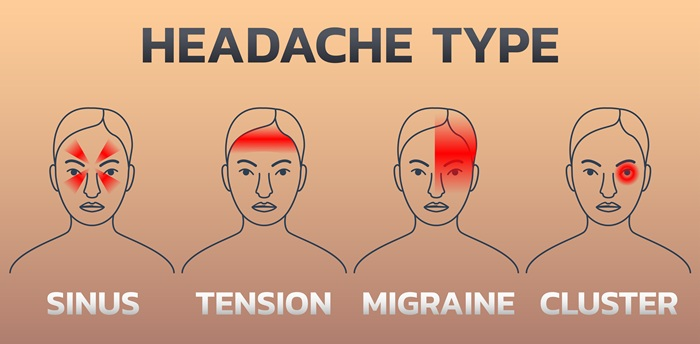
Cervicogenic Headache
Originates from the neck, typically causes pain on one side of the head, and is often worsened by certain neck movements.
Tension Headache
Usually described as a dull, pressing pain, often caused or worsened by tight neck and shoulder muscles.
Migraine
About 70-80% of migraine sufferers report neck pain or discomfort as part of their symptoms.
Occipital Neuralgia
A sharp, stabbing pain that starts in the upper neck/base of the skull, often radiating to the scalp, forehead, or behind the eyes.
How Can I Tell If My Headache Is Coming from My Neck?
Signs that your headache originates from the neck may include:
- Pain that starts in the neck and radiates to the head.
- One-sided head pain, often triggered by certain neck movements or sustained poor posture.
- Accompanying muscle stiffness in the neck, upper shoulders, or upper back.
- Headache worsens with neck movement or pressure to certain neck muscles.
How Does Poor Posture Contribute to Headaches from Neck Pain?
Modern lifestyles—hunched over computers or phones—strain neck muscles and ligaments. Over time, this can lead to muscle tightness, inflammation, and nerve irritation, creating a cycle of neck pain and headache. Prolonged slouching or “text neck” are common culprits.

What Is a Cervicogenic Headache and How Is It Different from Other Headaches?
Cervicogenic headache is a “secondary” headache, meaning it’s caused by neck issues (like joint arthritis, muscle spasms, pinched nerves, or injury). Unlike primary headaches (such as migraines or tension headaches, which originate in the brain), cervicogenic headaches stem from mechanical or inflammatory problems in the cervical spine. They often:
- Are one-sided.
- Start in the neck or base of the skull.
- Are triggered by certain neck movements, posture, or pressure.
Can Neck Injuries Like Whiplash Lead to Chronic Headaches?
Yes—neck trauma, such as whiplash from an accident, can cause persistent neck pain and lead to chronic headaches. Nearly 80% of people who experience whiplash will develop long-term headaches (often cervicogenic). These headaches can be similar to migraines or tension headaches but are distinguished by their association with previous neck trauma and pain aggravated by neck movement.
What Are the Best Treatments for Headaches Caused by Neck Pain?
Holistiq Spine & Orthopaedic recommends a holistic, multi-modal approach for headaches caused by neck pain. Here’s how each of these advanced treatments can provide relief:
Functional & Anti-inflammatory Nutrition
A functional and anti-inflammatory nutritional approach focuses on optimizing your diet to reduce inflammation, support healing, and improve overall tissue health. Diets rich in whole foods, healthy fats (like omega-3s), lean proteins, and plenty of fruits and vegetables can help decrease systemic inflammation that contributes to musculoskeletal pain and chronic headaches. By identifying and eliminating personal food triggers or sensitivities, nutrition counseling also helps lower the risk of recurring headaches and supports better long-term spine and nerve health.
Peripheral Magnetic Stimulation (PMS)
Peripheral Magnetic Stimulation (PMS) is a non-invasive therapy that uses electromagnetic fields to stimulate deep tissues, nerves, and muscles of the neck. This stimulation can reduce muscle tension, improve circulation, and decrease nerve hypersensitivity that often leads to headaches. PMS has been shown to accelerate healing in soft tissues, help restore normal movement, and alleviate both neck pain and associated headaches—especially those resulting from chronic muscle tightness or nerve irritation.
Chiropractic & Manual Therapy
Chiropractic care and manual therapy target musculoskeletal misalignments and soft tissue dysfunctions that often underlie cervicogenic and tension-type headaches. Through precise spinal adjustments, mobilization, and soft tissue techniques, chiropractic providers help restore joint mobility, relieve muscle spasms, and correct poor posture. Improving spinal alignment and muscle function reduces the mechanical stresses on cervical nerves and blood vessels, leading to decreased frequency and intensity of headaches.
Image-Guided Injections
Image-guided injections involve the precise administration of medication (such as steroids or anesthetics) directly to the source of pain in the neck, under the guidance of advanced imaging technology (like ultrasound or fluoroscopy). This technique allows for targeted reduction of inflammation and pain in specific muscles, joints, or nerves causing headaches. For patients with severe, persistent pain unresponsive to conservative care, image-guided injections can provide rapid, lasting relief and facilitate participation in rehabilitative therapies.
Utilizing these evidence-based modalities can address both the root causes and symptoms of headaches linked to neck pain, offering a personalized and comprehensive treatment path for lasting improvement.
When Should I See a Doctor for Headaches and Neck Pain?
Seek immediate medical attention if your headache:
- Is explosive or the “worst headache of your life.”
- Comes with slurred speech, confusion, vision changes, weakness, or a stiff neck.
- Occurs after a head or neck injury.
Otherwise, consult a healthcare provider if:
- Headaches persist, change in intensity/pattern, or frequently disrupt daily life.
- Over-the-counter treatments aren’t effective.
- You have chronic neck pain and frequent headaches.
Takeaway
Neck pain and headaches share a close and complex relationship. Poor posture, injury, and stress can all set off neck-related headaches ranging from tension headaches to cervicogenic headaches. A proactive approach—combining lifestyle changes, physical therapy, and advanced pain management—can greatly improve your quality of life. Don’t hesitate to consult a specialist if your headaches are persistent, severe, or interfere with your daily activities.