
What Are Peptides?
A Practical Guide for Modern Wellness
Peptides are short chains of amino acids, the same building blocks that make up full proteins in the body. They are usually between 2 and about 100 amino acids long, and many of your own hormones, signaling molecules, and healing factors are actually peptides, such as insulin and several brain and gut hormones. Because they can send very specific messages to cells, they have become a major focus in modern regenerative and longevity medicine.
This article will walk through what peptides are, how they developed historically, how they are used today, where your clinic’s peptide packages fit in, how they compare to hormone therapies like testosterone replacement therapy (TRT), and why lifestyle (training, movement, nutrition, sleep) is still the foundation.
A Brief History of Peptide Development

Scientific interest in peptides began in the early 20th century with the isolation and characterization of natural peptide hormones such as insulin, oxytocin, vasopressin, and gonadotropin‑releasing hormone (GnRH). These discoveries showed that short chains of amino acids could profoundly influence blood sugar, childbirth, water balance, and reproductive function.
Over the past few decades, advances in peptide synthesis, modification, and delivery have transformed peptides into a major drug class used in endocrinology, oncology, metabolism, and autoimmune disease. Dozens of peptide drugs are now FDA‑approved (for example, some GLP‑1 receptor agonists for diabetes and obesity), and many more are being studied for tissue repair, immune support, and age‑related conditions.
How Peptides Work in the Body
Most therapeutic peptides act as highly targeted messengers. They bind to specific receptors on cells and trigger cascades that affect hormones, growth, inflammation, metabolism, or nerve signaling. Because of this precision, they tend to have:
- High specificity for their targets
- Shorter half‑lives (they are broken down relatively quickly)
- Typically lower immunogenicity (less likely to provoke immune reactions) than larger biologic drugs.
However, they also have limitations: many are unstable in the gut, so they are often given by injection, and some have limited human data outside of specific indications. This is one reason why using peptides under physician supervision is critical rather than self‑sourcing or experimenting with products of uncertain quality.
Common Categories of Peptides in Wellness and Regenerative Medicine
Clinically, peptides are often grouped by the main system they influence. The categories below include your clinic’s offerings and other commonly discussed options in modern practice.
1. Metabolic and Weight‑Management Peptides
Metabolic peptides mimic or influence hormones that regulate blood sugar, appetite, and body weight.
- Tirzepatide (with Pyridoxine): Tirzepatide is a dual agonist at GIP and GLP‑1 receptors, originally developed for type 2 diabetes, and is now widely used for significant, clinically meaningful weight loss and metabolic health improvements. Pyridoxine (vitamin B6) is sometimes combined for additional metabolic and nervous system support.
- Other GLP‑1–based peptides (like semaglutide, not in your list) have shown robust effects on weight reduction, blood sugar, and cardiometabolic risk factors.
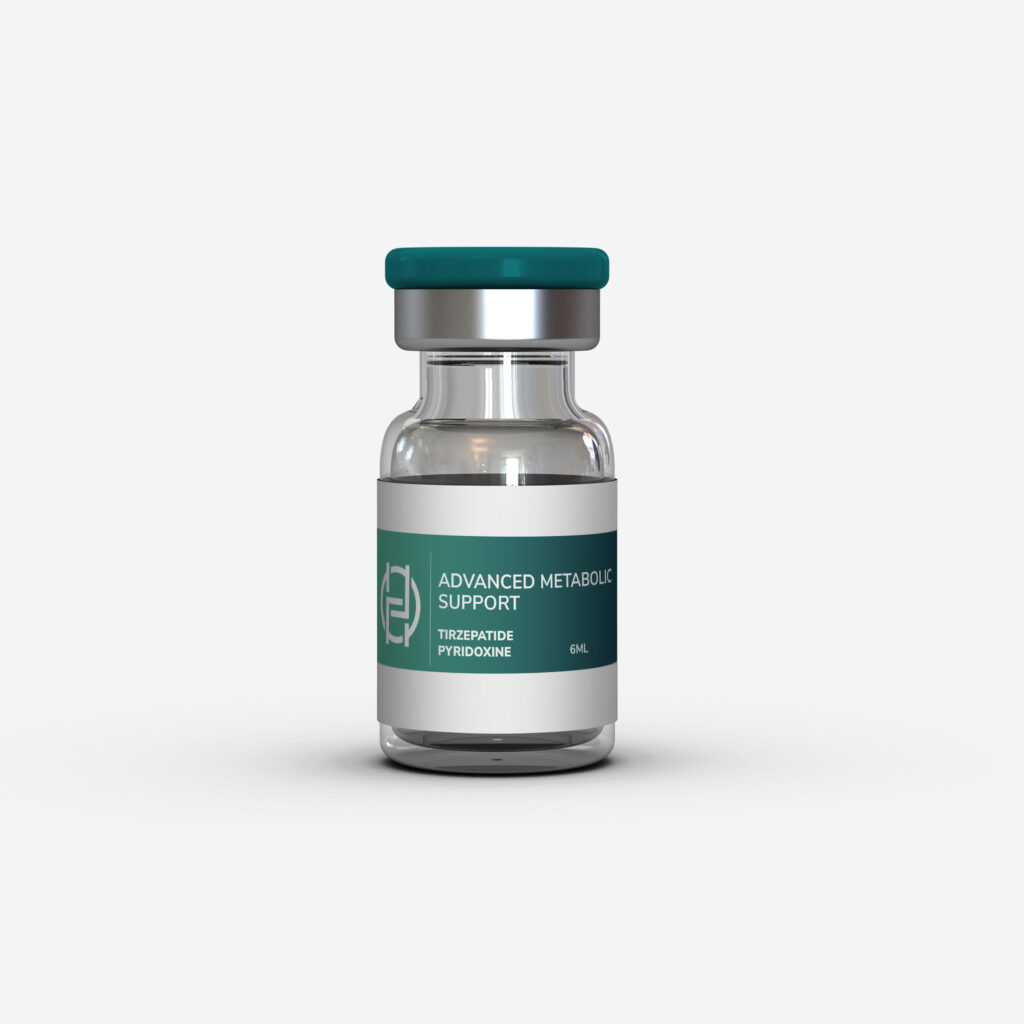
Potential benefits include improved blood sugar control, reduced appetite, and substantial fat loss when combined with dietary changes and physical activity. Risks can include nausea, gastrointestinal upset, gallbladder issues, and, in some cases, concerns about over‑rapid weight loss or muscle loss if nutrition and strength training are not prioritized.
2. Growth Hormone–Related and Recovery Peptides
These peptides stimulate or modulate growth hormone (GH) release, which in turn influences IGF‑1 levels, tissue repair, body composition, and recovery.
Our clinic offers several in this category:
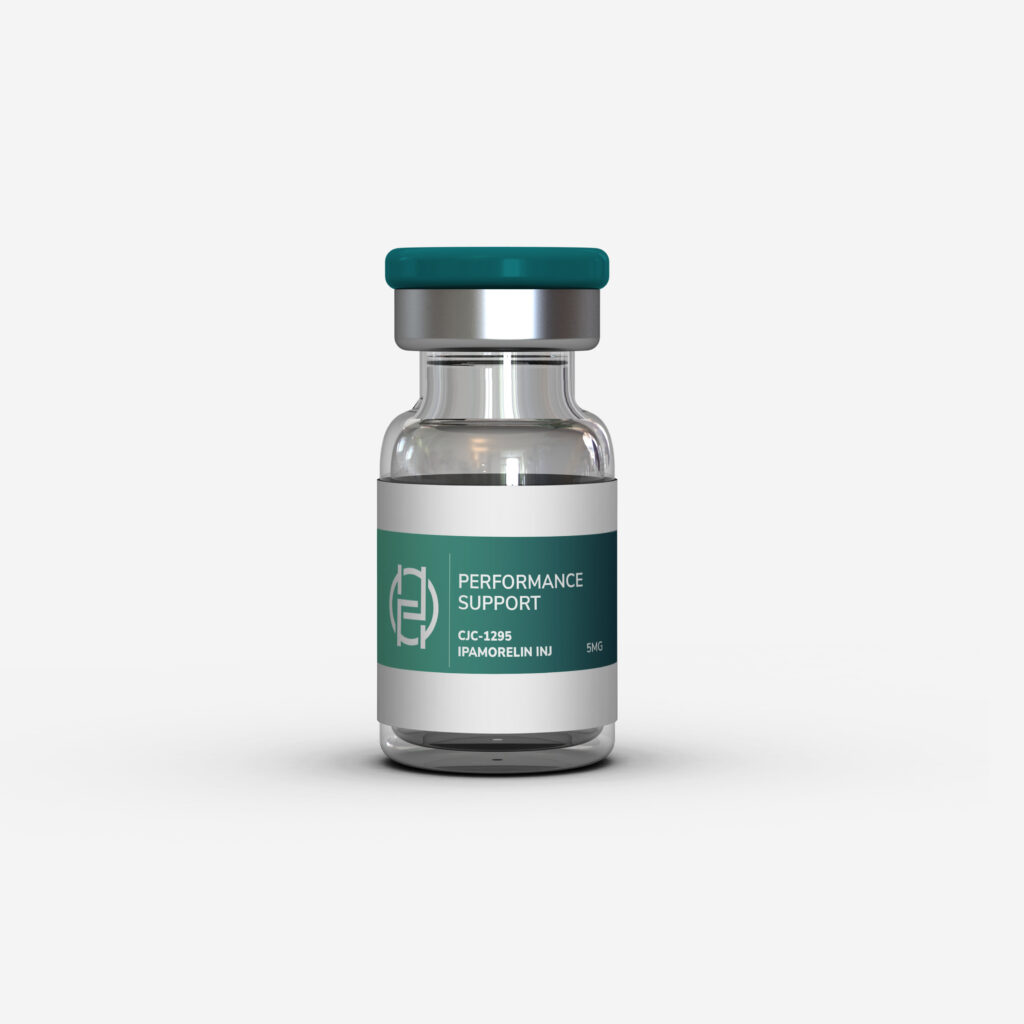
- CJC‑1295/Ipamorelin:
CJC‑1295 is an analogue of growth hormone–releasing hormone (GHRH), designed to increase natural GH release. - Ipamorelin is a growth hormone secretagogue that also stimulates GH with relatively selective action and has been noted for a favorable side‑effect profile in early research.
- Together, they are used in wellness settings to support muscle gain, fat loss, sleep quality, and recovery, though most uses here are off‑label.
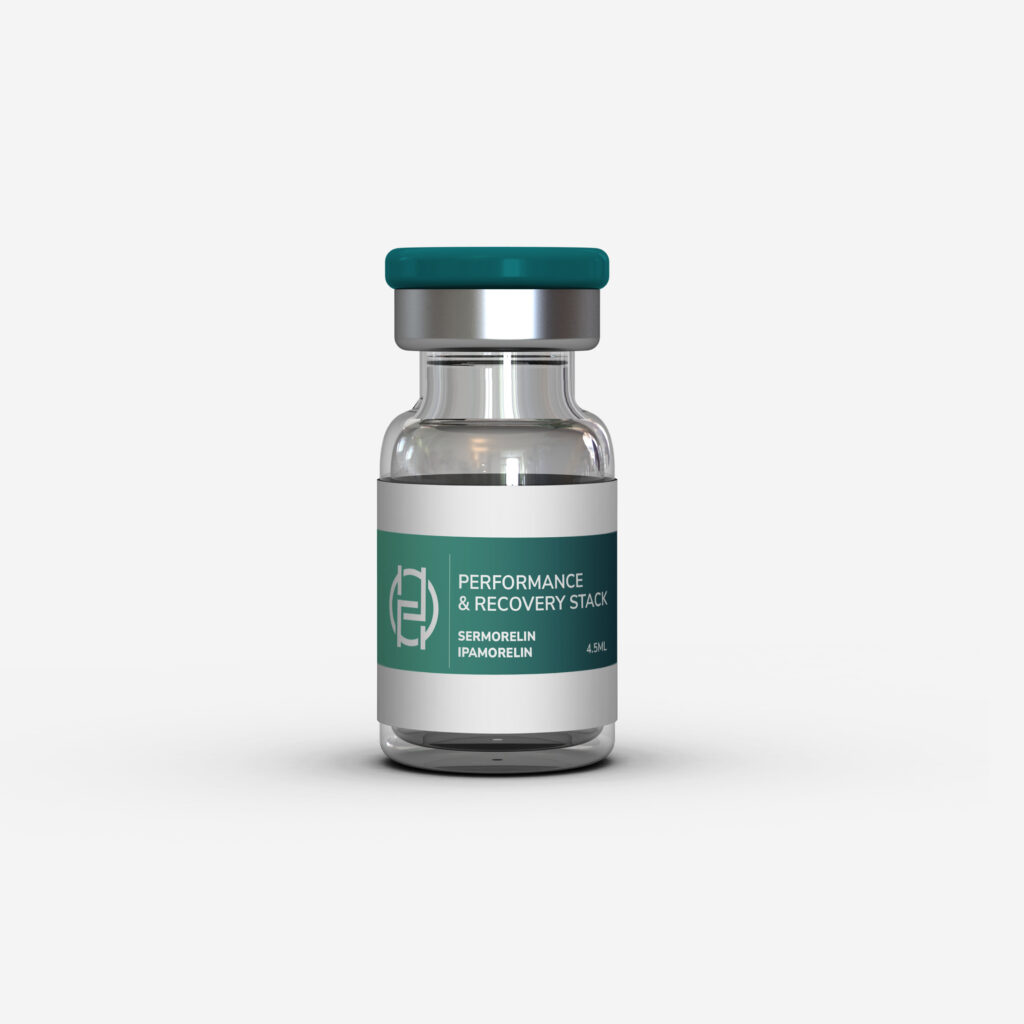
Sermorelin/Ipamorelin:
Sermorelin is another GHRH analogue used to stimulate the body’s own GH production, sometimes viewed as a more “physiologic” alternative to exogenous growth hormone. When combined with Ipamorelin, the aim is synergistic support of GH rhythm, lean mass, and tissue repair.
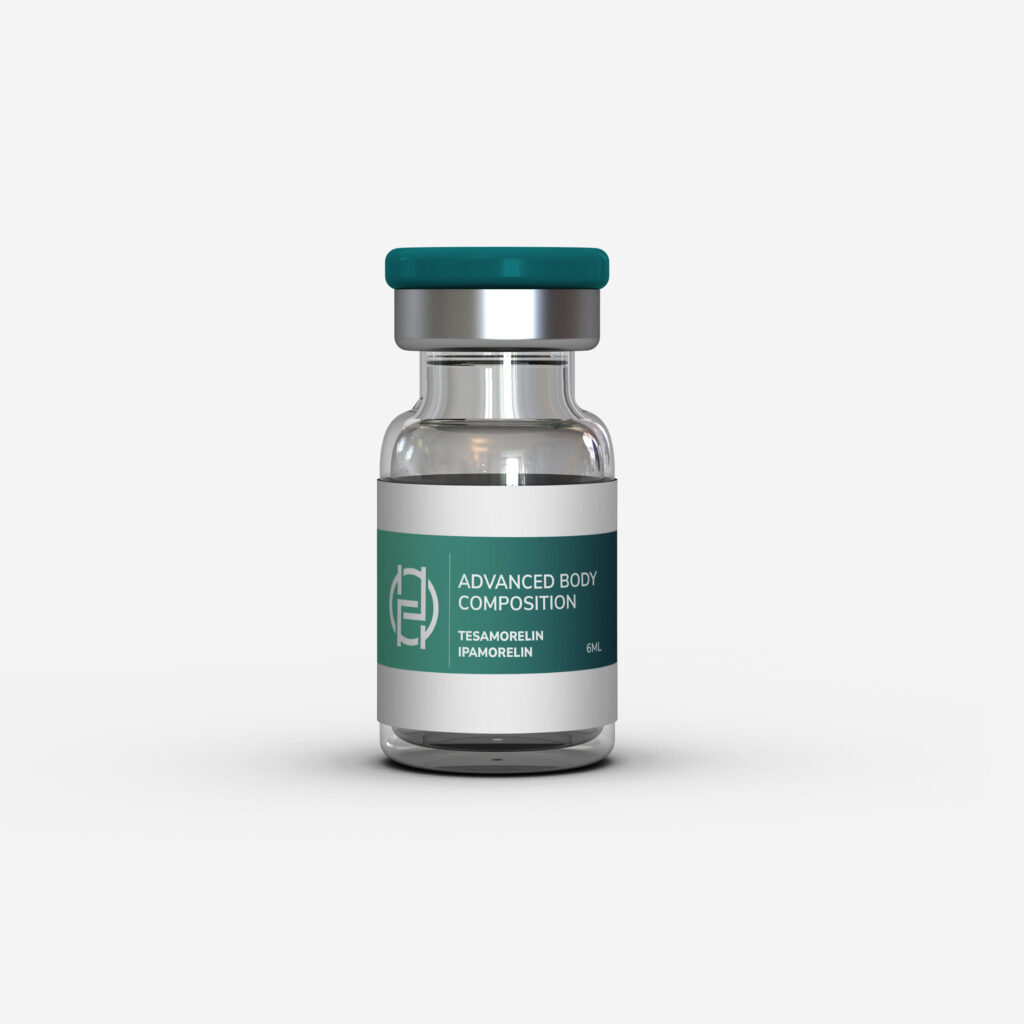
Tesamorelin/Ipamorelin:
Tesamorelin is a GHRH analogue that has FDA approval for reduction of visceral fat in HIV‑associated lipodystrophy, and is being explored more broadly for visceral fat and metabolic changes related to aging. Paired with Ipamorelin, it is often used in programs targeting central fat and body composition.
Potential benefits include improved body composition, better recovery from resistance training, and possible support for sleep and subjective vitality. Risks may include joint pain, insulin resistance in some contexts, edema, carpal tunnel–type symptoms, and potential tumor promotion in those with existing malignancies, which is why medical screening is important. Many of these uses remain investigational for otherwise healthy individuals.
3. Tissue Repair and Anti‑Inflammatory Peptides
These peptides are being studied for their ability to influence healing, angiogenesis, and inflammatory pathways.
- BPC‑157 is a synthetic fragment of a protein found in gastric juice, studied in animals for tendon, ligament, nerve, and gut healing effects.
- TB‑500 (a fragment of thymosin beta‑4) has been evaluated in preclinical and early clinical studies for tissue regeneration, angiogenesis, and modulation of inflammation.
- These combinations are popular in sports and regenerative medicine circles, although they are not FDA‑approved for general healing indications and human data are still limited.
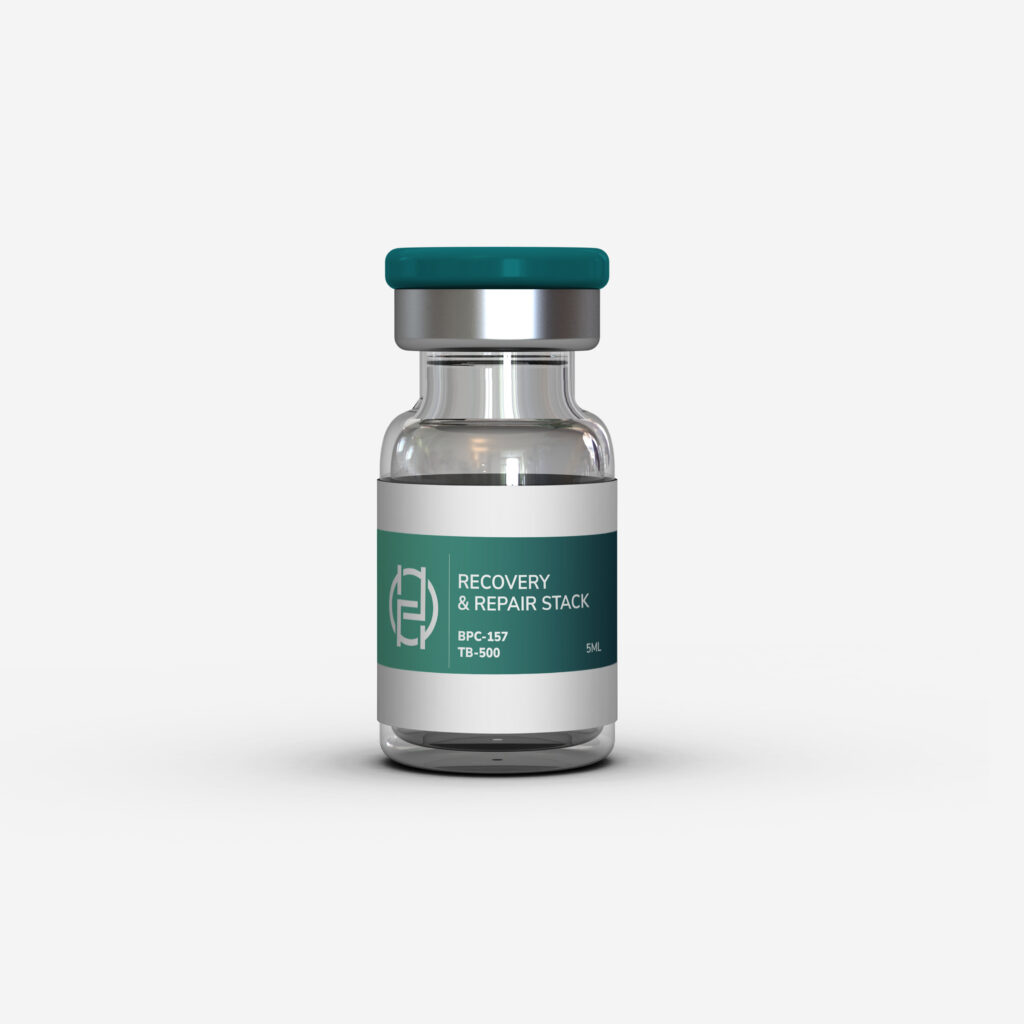
Potential benefits may include faster recovery from soft‑tissue injuries, reduced inflammation, and better joint comfort in some individuals. Potential risks include unknown long‑term safety, variable product quality outside supervised channels, and possible issues with regulatory status.
4. Neurocognitive and Cellular‑Health
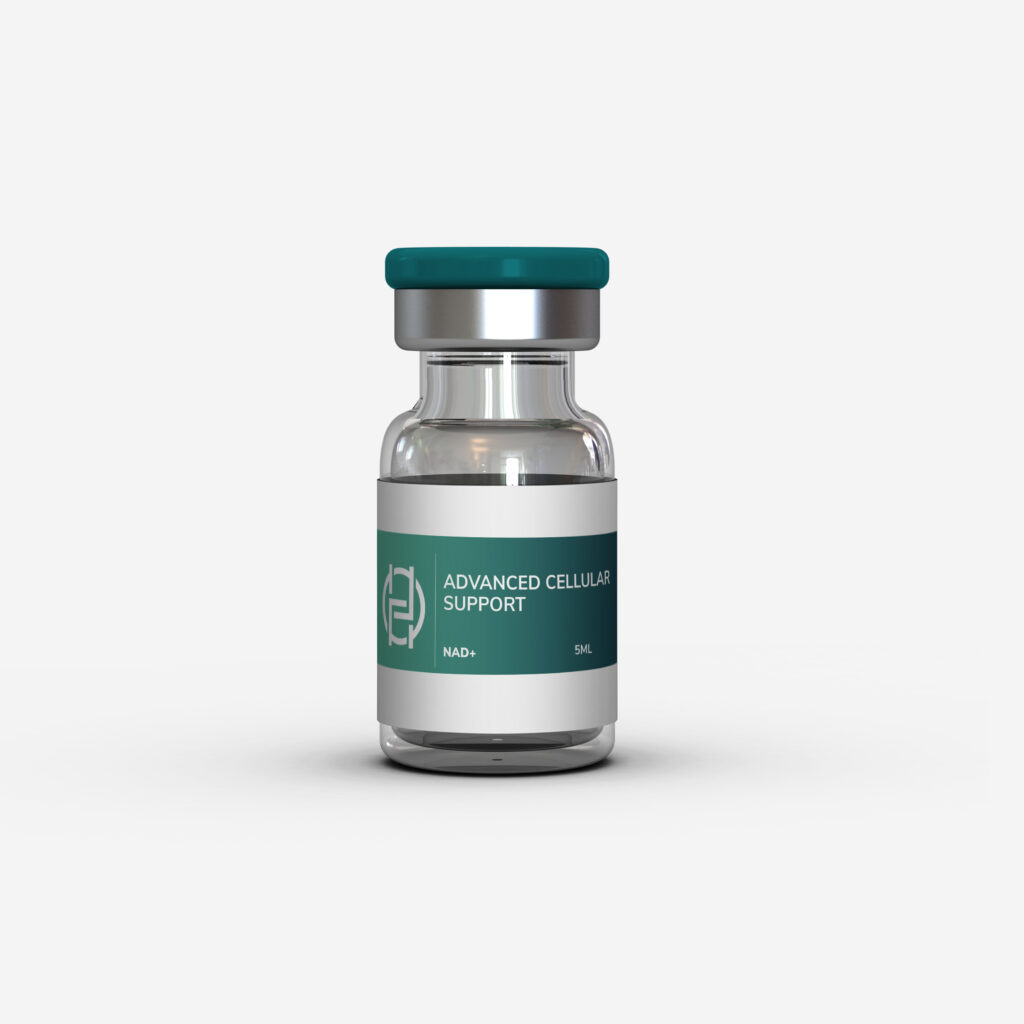
NAD+: Nicotinamide adenine dinucleotide is a vital coenzyme involved in energy production, DNA repair, and cellular stress responses, and NAD+ levels decline with age. Intravenous or injectable NAD+–focused protocols aim to support cellular energy, brain function, and longevity, although evidence is still evolving and most uses are off‑label. Possible side effects include flushing, nausea, or blood pressure changes during infusion.
5. Sexual Health and Libido Peptides
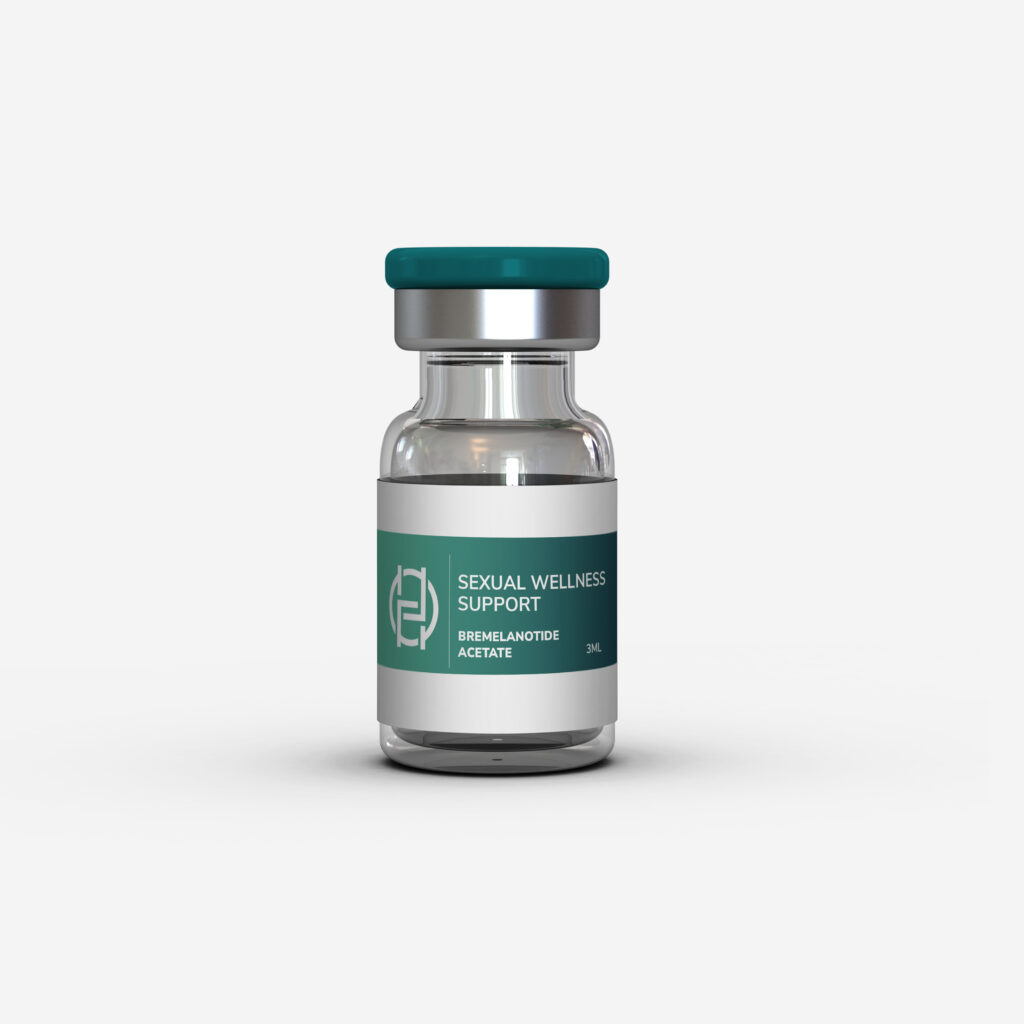
Bremelanotide Acetate: Also known as PT‑141, this peptide acts centrally in the brain to enhance sexual desire and arousal, particularly in women with hypoactive sexual desire disorder, and has been FDA‑approved for that indication. It is sometimes used in wellness clinics for both men and women under physician guidance. Side effects can include flushing, nausea, headache, and transient blood pressure changes.
6. Skin, Hair, and Aesthetic‑Focused Peptides
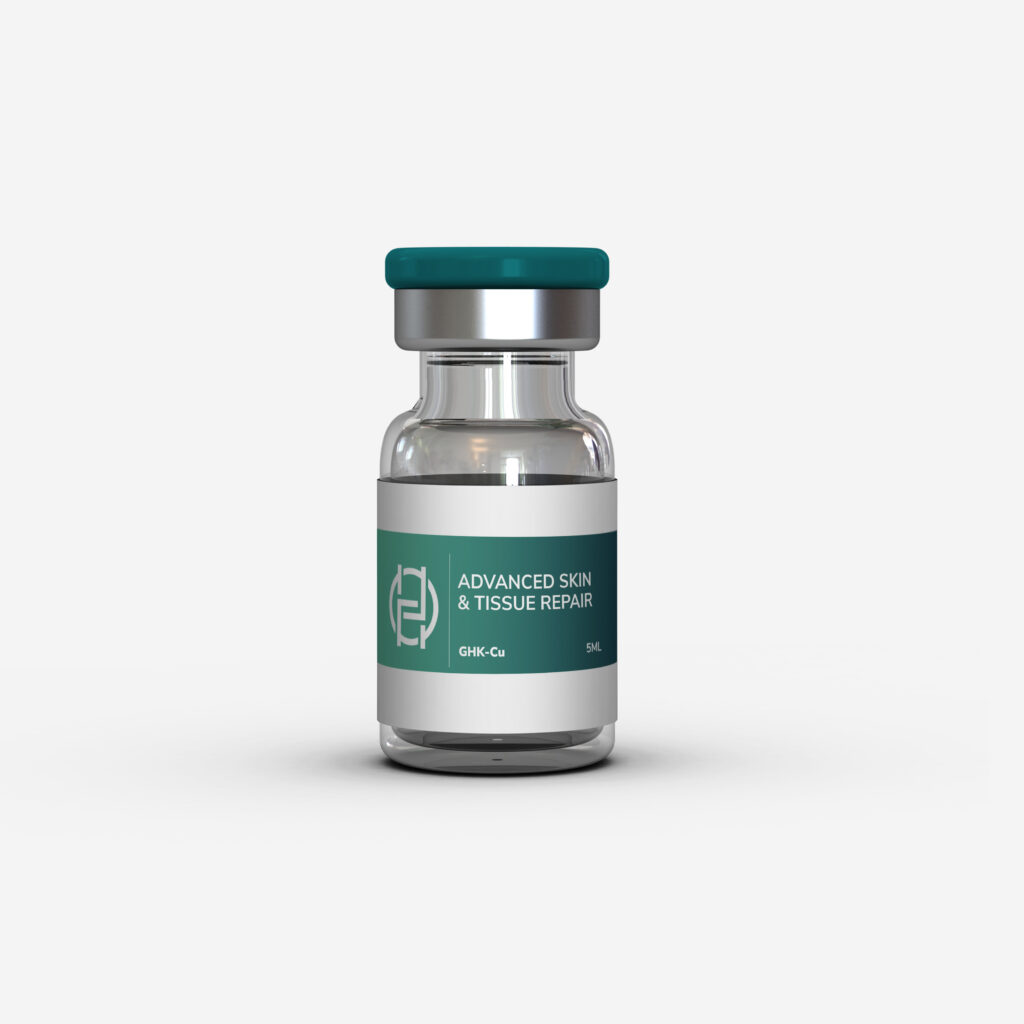
GHK‑Cu: This copper‑binding peptide is naturally present in the body and has been studied for wound healing, collagen production, and potential benefits on skin texture, hair health, and anti‑aging effects. It is used in topical and sometimes injectable forms in aesthetic medicine settings. Long‑term systemic data are limited, so professional dosing and monitoring are important.
Benefits and Risks: A Balanced View
Potential Benefits
Across categories, peptide therapies are being investigated or used clinically for:
- Improved body composition and weight management (especially GLP‑1/GIP‑based drugs like tirzepatide)
- Enhanced muscle preservation and recovery when combined with resistance training (for GH‑related peptides like CJC‑1295 and Ipamorelin)
- Potential support for soft‑tissue healing and reduction of chronic inflammatory symptoms (BPC‑157, TB‑500; still investigational)
- Better sexual desire and satisfaction (Bremelanotide/PT‑141)
- Improvements in skin quality, hair density, and signs of aging (GHK‑Cu and other aesthetic peptides)pmc.
- Support for cellular energy and resilience (NAD+‑oriented programs)
These effects are usually most meaningful when peptides are part of a broader plan that includes structured exercise, strength training, nutrition, stress management, and sleep optimization.
Potential Risks and Limitations
- Regulatory status: Some peptides once commonly compounded (like certain GH secretagogues) have been restricted by the FDA for compounding, which affects how they can legally be sourced and prescribed.
- Side effects: Nausea, gastrointestinal upset, injection‑site reactions, water retention, joint discomfort, or blood sugar changes can occur, depending on the peptide.
- Data gaps: Many peptides used in wellness clinics have stronger animal or small‑scale human data than large, long‑term randomized trials in healthy adults.
- Quality concerns: Self‑sourcing peptides from online vendors poses significant risks—contamination, inaccurate dosing, substitution, and lack of medical screening for contraindications.
For these reasons, peptides should always be used under the supervision of a qualified physician who can evaluate medical history, order appropriate labs, discuss realistic expectations, and monitor for benefits and adverse effects.
Peptides vs TRT and Other Hormone Therapies
TRT (testosterone replacement therapy) and other hormone replacement therapies (HRT) directly replace hormones that are low or imbalanced. In contrast, many peptides aim to modulate or support the body’s own systems rather than replace hormones outright.
In many cases, peptides and hormone therapies are not “either–or” but potentially complementary when used thoughtfully in an individualized plan. For example, a man on medically supervised TRT might also use certain recovery or repair‑focused peptides to support training and joint health, under careful monitoring. The key is that both approaches affect powerful biological systems and should not be undertaken casually or without a physician.
Peptides as Part of a Bigger Equation: Training, Nutrition, and Lifestyle

Peptides are not magic bullets. The best outcomes nearly always come when they are integrated into a larger lifestyle equation:
- Strength training: Resistance training is vital for preserving and building lean muscle, bone density, and metabolic health, especially while using agents that change weight or body composition like GLP‑1 or GH‑related peptides.
- Regular aerobic activity: Walking, cycling, swimming, or other cardiovascular exercise supports heart health, insulin sensitivity, and mood, complementing metabolic and recovery peptides.
- Nutrition: Adequate protein intake, whole foods, appropriate calorie levels, and micronutrient support are crucial. For weight‑loss peptides, thoughtful nutrition prevents excessive muscle loss; for recovery peptides, nutrients provide the raw materials for repair.
- Sleep and stress management: Because many peptides influence hormones and cellular repair, poor sleep or chronic stress can blunt their potential benefits.
In other words, peptides can amplify a well‑designed program—but they cannot replace the basics of training, movement, and nutrition.
Why Physician Supervision Matters
In your clinic setting, peptide therapy is part of a medically guided, personalized plan. That means:
- Careful assessment of health history, medications, and goals
- Baseline and follow‑up lab testing when appropriate
- Tailored dosing, timing, and cycling of peptide combinations
- Ongoing monitoring for side effects, benefits, and the need to adjust or discontinue therapy
Self‑procurement of peptides online bypasses all of this and exposes individuals to uncertain product quality, improper dosing, unrecognized contraindications, and legal or regulatory issues. For safety and effectiveness, peptide use should always be supervised by a physician knowledgeable in both conventional and regenerative therapies.