Labrum Tear Shoulder: SLAP Tears, Bankart Lesions & Lasting Solutions
Demystifying the Labrum: The Unsung Shoulder Stabilizer
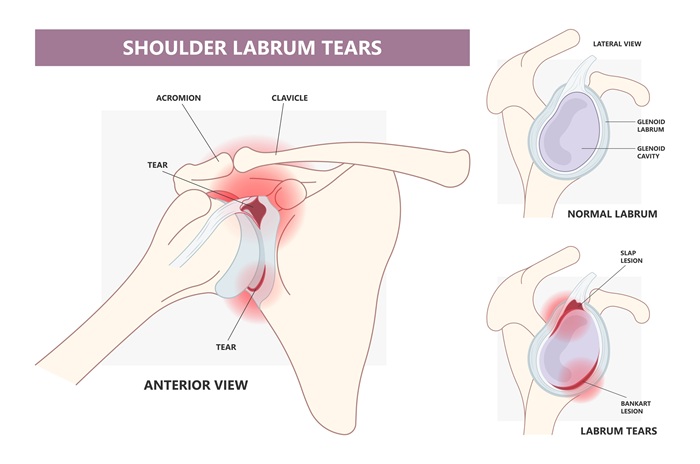
The shoulder isn’t just a ball-and-socket: it’s a marvel of movement, stability, and strength. At its heart lies the labrum, a ring of tough cartilage lining the shallow socket (glenoid) of your shoulder blade. The labrum deepens the socket—much like a suction cup—for the head of your upper arm bone (humerus), improves stability, and serves as an anchor for ligaments and the biceps tendon. Without a healthy labrum, your shoulder would be at far higher risk for instability, pain, and dislocations.
Understanding SLAP Tears and Bankart Lesions
The term “labral tear” covers a variety of injuries, with SLAP tears and Bankart lesions being the most common—and most clinically important.
SLAP Tear (Superior Labrum Anterior to Posterior):
- Refers to a tear at the upper (superior) part of the labrum, where the biceps tendon attaches.
- Common in overhead athletes (throwers, swimmers), but also from falls, heavy lifting, or sudden traction injuries.
- Often presents with deep pain, popping, and reduced performance in overhead activities.nyulangone+1
- SLAP tears affect an estimated 6% of the general population, but are found in up to 34% of athletes with shoulder pain.
Bankart Lesion:
- Involves tearing at the front-lower (anteroinferior) part of the labrum, most commonly after an anterior shoulder dislocation.
- This injury destabilizes the socket, greatly raising the risk of repeat dislocations.
- Affects all ages, but is seen most often in young, active patients and those with a history of trauma or repeated falls.
- Among high-level athletes, up to 65% of labral tears are Bankart lesions, many following a single or repeated shoulder dislocation.
Symptoms often start mildly and worsen with continued use or unaddressed biomechanical issues. If untreated, chronic impingement may lead to rotator cuff tears, persistent bursitis, or even frozen shoulder (adhesive capsulitis).
A third type, posterior labral tears, is seen especially in contact athletes or after specific trauma but is less common.
Common Causes and Risk Factors
Labral tears happen for several reasons:
- Sudden trauma (falls, shoulder dislocations, a direct blow)
- Chronic overuse, repetitive overhead activity, or heavy lifting
- Age-related degeneration of cartilage
- Previous shoulder surgery or instability
- Anatomical factors (shallow sockets, loose ligaments)
Populations most at risk:
- Overhead athletes (baseball, volleyball, swimming)
- Contact athletes (football, wrestling, hockey)
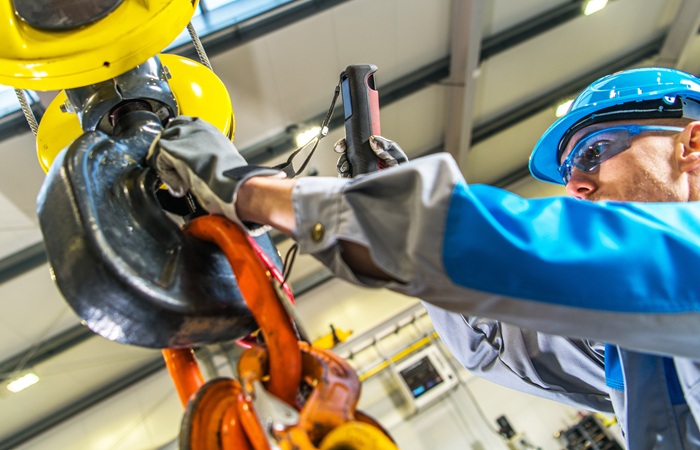
- Manual laborers and heavy lifters
- Patients aged 15–40 (Bankart), 30–50 (SLAP), and older adults with arthritis
Labral Tear Statistics
After a full nonoperative rehab program, up to 78% of athletes can return to play without surgical repair for SLAP tears—though ultimate full recovery rates range from 43–72%. Completing a rehabilitation course (>20 sessions) is a key predictor of successful outcomes.
Recurrence rates after Bankart repair: 4–19%; for combined Bankart/SLAP repairs, 4.2–8.7%.
Labral repair surgeries have first-time success rates of 85–90% for restoring stability and preventing repeat dislocations.
For complex “circumferential” (270°) repairs, long-term studies show 76% return to sport at 3+ years, with excellent pain and function in most patients.
Meet Our Specialists

Trung Ha, MD

Raphael Ye, DO

Yasmin Fatemi, MD

Brian Lee, DC
Stephanie Yianitsas, PA-C
The Symptoms Cheat Sheet: What Does a Labrum Tear Feel Like?
Labral tears can masquerade as vague or nagging discomfort, but key warning signs include:
- Deep, aching pain within the shoulder, often worsened with overhead activity
- Popping, clicking, or grinding with movement
- Episodes of instability or “slipping out”, especially after trauma (typical in Bankart)
- Diminished strength and performance, especially in throwing or pushing
- Loss of range of motion or locking sensation—not always present
- Pain at night or inability to sleep on the affected side
For SLAP tears, pain is often most noticeable at the top/anterior of the shoulder and with rotational activities. Bankart lesions frequently present with a history of traumatic dislocation, followed by ongoing instability episodes.
Expert Diagnosis: How Labral Tears are Confirmed
A Holistiq physician begins with the right questions and physical tests:
- Injury history: acute trauma, athletic pursuits, or chronic overload.
- Physical examination: Checking for instability, strength loss, pain with resistance, and “special tests”—
- O’Brien’s test, crank test, apprehension/relocation, and others to elicit click or reproduce symptoms.
Imaging:
- MRI (with/without contrast): The gold standard for evaluating labral tears.
- MR arthrogram: Uses dye to improve visualization of subtle or small tears, particularly SLAP lesions.nyulangone+1
- X-rays: Useful for ruling out bone injury or assessing for arthritis but do not show soft tissue tears directly.
Notably, labral tears can sometimes be seen in people without symptoms, especially as we age. Clinical correlation is always necessary.
Holistiq Health’s Non-Surgical Labral Tear Protocol
1. Rest and Activity Modification
- Avoiding provocative motions and addressing biomechanical errors.
2. Anti-Inflammatory Nutrition
- Personalized plans boosting whole foods, omega-3s, and antioxidants.
- Reducing processed and pro-inflammatory foods to optimize healing.
3. Physical Therapy for Stability, Endurance, and Resilience
- Scapular stabilization: Rebuilding the “core” of the shoulder to take pressure off injured tissue.
- Rotator cuff strengthening: To centralize the humerus and protect the labrum from further damage.
- Range of motion work: Careful, guided stretching to maintain flexibility.
- Proprioceptive training: Restoring balance and neuromuscular control to prevent recurrences.
4. Chiropractic and Manual Therapy
- Adjustments and mobilizations to restore joint mechanics.
- Soft tissue work for pain relief and muscle balance.
5. Shockwave Therapy, Regenerative Medicine, and Injections
Shockwave Therapy (ESWT) for Labral Pain and Healing Support
Shockwave therapy uses focused acoustic waves delivered from outside the body to stimulate healing responses in and around the injured labrum. It can help reduce pain, improve local circulation, break down scar tissue, and support tissue repair in the surrounding capsule, tendons, and muscles. ESWT is non-surgical, performed in a series of short in-office sessions, and is usually combined with targeted strengthening and stability work to maximize benefits.
6. Pain Injections
- Corticosteroid injections (guided by ultrasound for safety/accuracy): Break cycles of severe pain and swelling, creating a window of opportunity for therapy
- Limited to a few per year to avoid tendon weakening, always as part of a larger rehab plan
7. Regenerative Medicine
For cases where traditional care hasn’t sufficed, Holistiq offers:
- Platelet-Rich Plasma (PRP): Concentrated growth factors from your own blood, injected at injury site to stimulate repair
- Stem cell therapies (when indicated)
- All non-surgical options are tailored and supervised by experts for optimal results.
Life After a Labral Tear: Recovery, Outcomes, and Prevention
What to Expect During Recovery
- Non-surgical rehab often takes 2–4 months for meaningful improvement; maintenance of exercise and activity modification extend long-term benefits.
- Surgical repairs require initial immobilization (2–6 weeks), then progressive rehab—most return to sports and work in 4–6 months.
- Aggressive overhead activity or early return to sport may risk reinjury or delayed healing.
Prevention
- Always warm up before activity, focus on posture, and maintain strong, balanced rotator cuff and scapular muscles.
- Use proper technique for lifting, throwing, or manual tasks.
- Avoid “playing through the pain”—early evaluation prevents small tears from becoming large ones.
Frequently Asked Questions: Shoulder Labrum Tears
Can a labral tear heal without surgery?
Partial tears or degenerative tears can often be managed conservatively. Up to 78% of athletes can return to sport after successful non-surgical rehabilitation for SLAP tears.
What’s the difference between a SLAP tear and a Bankart lesion?
SLAP tears are at the top, often involving the biceps anchor, and result from traction or repetition. Bankart lesions are at the lower front, follow dislocation, and produce shoulder instability.
How long will recovery take?
If surgery isn’t needed, expect 2–4 months of therapy. After repair surgery, recovery is usually 4–6 months with full participation in rehab.
Will my labral repair be covered by insurance?
Holistiq Health accepts all major insurance and handles pre-approvals and paperwork for you.
Should athletes return to play after labral surgery?
Most can, provided their therapy is complete and strength is restored—but timing is individualized.
Is popping after a labral repair normal?
Occasional painless popping can persist, but pain, catching, or instability should prompt a return consultation.
Regain Your Shoulder’s Strength With Holistiq
Shoulder pain, instability, or “slipping out” are not issues to ignore—labral tears can limit work, sport, and daily function if left untreated. At Holistiq Health, leading specialists provide evidence-based evaluation and the full spectrum of conservative and surgical options. With all major health insurance accepted, advanced rehabilitation protocols, and patient-centered care, you’re one conversation away from stronger, pain-free movement.
Where Does It Hurt? We Can Help.