
Rotator Cuff Injury: Tears, Tendinitis, and Holistic Non-Surgical Care

Understanding the Rotator Cuff: Anatomy & Function
The rotator cuff is a set of four key muscles and their tendons—supraspinatus, infraspinatus, teres minor, and subscapularis. These “SITS” muscles stabilize the shoulder joint, keep the ball of the upper arm centered in its socket, and enable a full range of movements, including lifting, reaching, and rotating the arm. Their tendons are vulnerable to both wear-and-tear and acute injuries, which is why rotator cuff injuries are a leading cause of shoulder pain and disability.
Types of Rotator Cuff Injuries
Rotator Cuff Tendinitis
- Tendinitis is inflammation of the rotator cuff tendons—most often the supraspinatus.
- Causes include repetitive overhead activity, poor posture, aging, and sudden exertion. It frequently results from microtrauma that accumulates over months or years.
Rotator Cuff Tears
- Tears may be partial (some tendon fibers torn) or full thickness (the tendon is completely split).
- Injury can occur suddenly with trauma—like a fall or forceful lift—or slowly through age-related degeneration.
- Chronic tears frequently develop as tendons become weaker and more prone to rupture, even from simple activities.
Common Causes and Risk Factors
- Sports or work involving overhead activity (tennis, baseball, construction)
- Aging, especially over age 40
- Acute accidents (falls, lifting)
- Degenerative changes from arthritis or poor biomechanics
Symptoms: Recognizing a Rotator Cuff Problem
- Symptoms: Recognizing a Rotator Cuff Problem
Shoulder pain, often radiating down the arm and worsening at night - Weakness when lifting or rotating the arm
- Difficulty reaching behind the back, overhead, or across the body
- Clicking, popping, or grinding sensations
- Sometimes swelling, stiffness, or visible muscle wasting if the injury is longstanding
Severe tears often cause sudden loss of function or inability to lift the arm. Tendinitis usually produces pain with movement and tenderness over the shoulder.
Meet Our Specialists

Trung Ha, MD
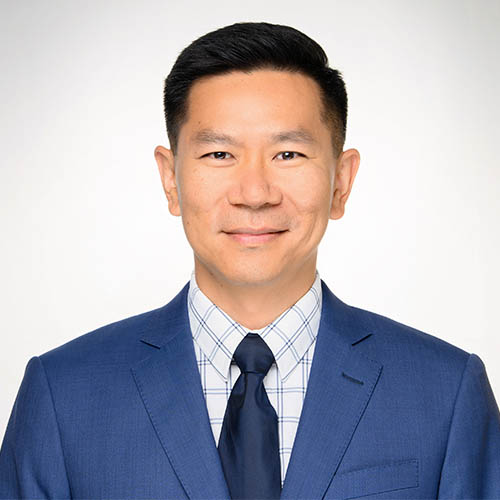
Raphael Ye, DO

Yasmin Fatemi, MD

Brian Lee, DC

Stephanie Yianitsas, PA-C

Diagnosis: How Rotator Cuff Injuries Are Identified
Accurate diagnosis is vital for targeted treatment. A complete workup includes:
- Medical history and physical exam: Providers check pain points, range of motion, and strength. Special tests (like the drop arm test, Hawkins-Kennedy, Jobe’s test) help pinpoint tendon injury.
- Imaging:
- X-rays: Show bone spurs, arthritis, or severe long-standing tears.
- Ultrasound: Visualizes tendon integrity and movement in real time.
- MRI: Provides detailed images of all four rotator cuff tendons, showing location, size, and degree of tearing or inflammation.
In some cases, diagnostic injections may confirm if a tendon injury is the main pain source.
Holistiq Non-Surgical Rotator Cuff Treatment Program
At Holistiq Health, our patient-centered, multidisciplinary plan combines modern, evidence-based therapies tailored to each person’s unique needs. Most rotator cuff injuries—especially tendinitis and partial tears—respond exceptionally well to conservative care if begun early and followed consistently.
1. Anti-Inflammatory Nutrition
Nutrition directly affects inflammation and healing. A diet rich in whole fruits, vegetables, lean protein, omega-3 fatty acids, and antioxidants is recommended. Personalized meal planning can help control systemic inflammation and promote tendon repair.
2. Chiropractic Care
Gentle adjustments, manual therapy, and mobilizations restore alignment and shoulder mechanics, easing pressure on injured tendons, improving joint movement, and reducing pain.
3. Physical Therapy
Physical therapy is the cornerstone of rotator cuff rehabilitation. Key components include:
- Pain control and mobility: Gentle range-of-motion exercises to prevent stiffness during healing.
- Progressive strengthening: Targeted exercises to rebuild rotator cuff and scapular muscles, graduated from band and bodyweight moves to free weights.
- Postural retraining: Core and upper back exercises to reduce stress on the shoulder during daily activities.
- Neuromuscular re-education: Improving coordination and correct muscle activation for healthy shoulder mechanics.
- Therapy regimens typically begin with daily sessions for 6–12 weeks, transitioning to maintenance programs as symptoms improve.
4. Shockwave Therapy
Shockwave therapy delivers high-energy sound pulses to stimulate healing, increase circulation, and promote cellular repair in chronic tendinitis and tears. It is especially useful when conventional therapy stalls.
5. Pain Injections
Corticosteroid injections help rapidly curb inflammation in moderate to severe pain phases, letting patients participate in therapy.
- Injections are limited (generally 3–4 max), focused on the affected area, and reserved for persistent symptoms unresponsive to other care.
- They may be combined with anesthetic for diagnostic clarity.
6. Regenerative Medicine
For chronic and stubborn injuries, regenerative therapies provide innovative options to trigger natural healing:
- Platelet-rich plasma (PRP): Harnesses growth factors from your own blood, injected into damaged tendons to boost repair.
- Stem cell therapy: Used selectively for severe or recurrent injuries.
- These treatments are adjuncts to physical therapy and not replacements for it.
7. Personalized Treatment & Progress Tracking
All care is individualized; regular assessments ensure your treatment evolves as you recover. Interventions can be adjusted as symptoms improve, with integrated support for pain control, activity modifications, and prevention of future injuries.
Holistiq accepts all major health insurance plans, making holistic shoulder rehabilitation truly accessible for everyone.

Surgical Options: When is Surgery Needed?
While most rotator cuff injuries are best managed non-surgically, surgery may be indicated when:
- There is a complete full-thickness tear with loss of function
- Conservative care fails to relieve pain after 3–6 months
- Individuals require rapid restoration of function due to their occupation or athletic needs
Surgical techniques range from minimally invasive arthroscopy (tiny incisions and cameras) to open repairs and tendon transfers. Physical therapy remains crucial both before and after surgery for best results.

Recovery: What to Expect
- Tendinitis and minor tears: Initial improvement is often visible within 4–6 weeks, but full healing typically requires 3–6 months.
- Major tears and postoperative care: Recovery may span 6–12 months, with structured rehabilitation the primary driver of lasting success.
- Maintenance Therapy: Many patients benefit from ongoing home exercises and lifestyle modifications to avoid relapse.
Prevention & Long-Term Outlook
- Warm up before activity
- Practice correct posture and mechanics for sports or repetitive tasks
- Strengthen rotator cuff and scapular stabilizers regularly
- Seek early evaluation—persistent pain risks permanent tissue damage
Up to 75% of rotator cuff tears can be managed successfully without surgery when patients engage in consistent, expert-guided care.
Frequently Asked Questions
Do all rotator cuff tears require surgery?
No. Most partial tears and degenerative full-thickness tears respond to non-surgical management unless function remains impaired.
How long does non-surgical recovery take?
Three to six months for functional recovery in most cases; severe or chronic injuries may need longer, and adherence to rehab is crucial.
Can I return to sports or work?
Yes—with a thorough rehab plan and restored strength, most patients can safely resume normal activities. Your provider will advise on timing and precautions.
Will injections or PRP “fix” my tear?
No single treatment cures rotator cuff tears. Injections and PRP can reduce inflammation and stimulate healing, but must be combined with therapy for best results.
Does insurance cover these treatments?
Holistiq Health accepts major health insurance for evaluation, therapy, injections, and many procedures. Please inquire about coverage for regenerative medicine options.
What can I do now to start healing?
Rest from provoking activities, ice for pain, and seek an expert assessment for individualized therapy and care.
Take Control of Your Shoulder Pain
If shoulder pain is holding you back from work, sports, or daily life, Holistiq Health’s integrated non-surgical rotator cuff injury program provides expert, compassionate care—combining nutrition, chiropractic, physical therapy, advanced modalities, injections, and regenerative medicine for maximal healing and long-term success.
Schedule your evaluation today, let our team craft your personalized recovery plan, and get back to what you love—pain free. Holistiq Spine & Orthopaedic accepts major health insurance and guides you every step of the way.
Where Does It Hurt? We Can Help.