
Ankle and Foot Pain Causes, Diagnosis & Non-Surgical Treatments
Ankle and foot pain can make every step difficult, but most causes are treatable with the right evaluation and a focused, non-surgical plan. At Holistiq Spine & Orthopaedic, we help active adults, workers on their feet, and older adults get back to moving comfortably with personalized care that looks at your whole body, not just your symptoms.
Ankle and Foot Pain Explained
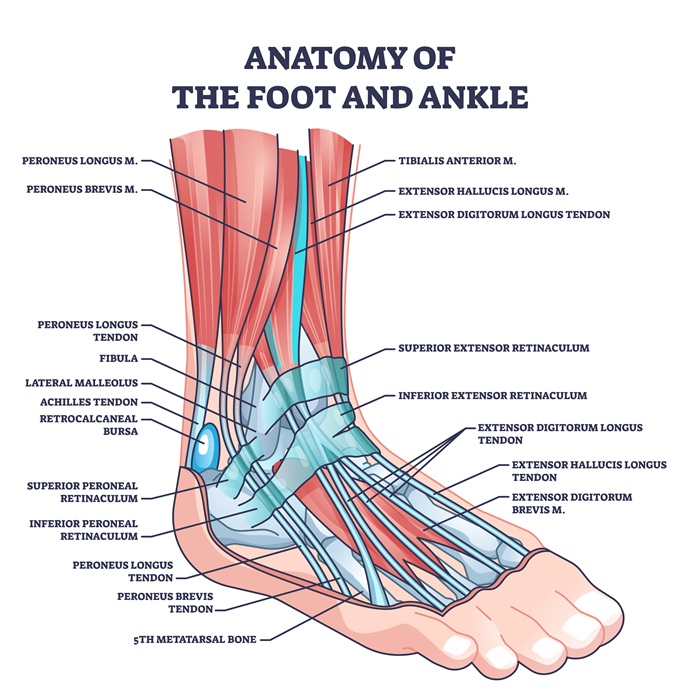
Your ankle and foot contain dozens of bones, joints, ligaments, tendons, and nerves that work together with every step. When any of these structures becomes irritated, injured, or worn down, you can feel pain in the heel, arch, top of the foot, toes, or around the ankle.
Some people notice sharp pain when they first stand up, others feel burning or tingling, and some feel a deep ache that worsens through the day. Pain can come on after an injury, build up slowly over time, or linger long after surgery.
Common causes of ankle and foot pain
Here are some of the most common reasons people come to our clinic for ankle and foot pain:
- Plantar fasciitis (heel and arch pain, especially with first steps in the morning).
- Osteoarthritis in the ankle or foot joints causing stiffness, swelling, and aching.
- Neuromas (such as Morton’s neuroma) that create burning, tingling, or “pebble in the shoe” pain in the ball of the foot.
Neuropathy causing numbness, burning, or electric-like sensations in the feet and toes. - Tendonitis or tendon tears around the ankle and foot from overuse or sports.
Sprains, instability, or ligament injuries from rolling or twisting the ankle. - Post-surgical pain that lasts longer than expected after foot or ankle surgery.
Why taking ankle and foot pain seriously matters
Foot and ankle pain is one of the most common musculoskeletal complaints in adults, and it frequently limits walking, exercise, and work. Many people wait months or years before seeking care, which can lead to worsening arthritis, chronic nerve irritation, or compensations that affect the knees, hips, and back.
Addressing the problem early often means simpler treatments, faster recovery, and a better chance of getting back to the activities you enjoy. Even if you have “tried everything,” a fresh look at biomechanics, nerve health, and inflammation can uncover missed contributors to your pain.
Meet Our Specialists

Trung Ha, MD

Raphael Ye, DO

Yasmin Fatemi, MD

Brian Lee, DC

Stephanie Yianitsas, PA-C
How Holistiq Evaluates Ankle and Foot Pain
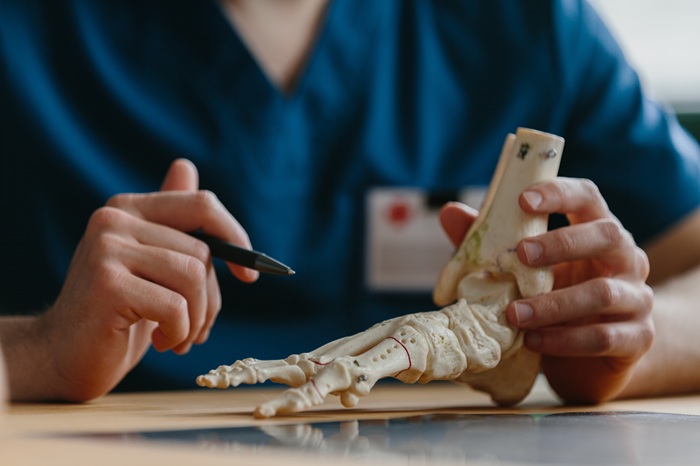
Your first visit focuses on understanding your story and how your pain affects daily life. We review your medical history, prior treatments, and imaging (if available), then perform a focused exam looking at alignment, joint motion, muscle strength, nerve function, and how you walk.
When needed, we may recommend imaging or other tests to clarify the diagnosis. Our goal is to identify the main drivers of your pain so we can build a clear, step-by-step plan instead of just masking symptoms.
Non-surgical treatment options
Whenever possible, we prioritize non-surgical solutions first. Depending on your diagnosis and needs, your customized plan may include:
- Targeted physical therapy and home exercise programs.
- Activity and gait modification to reduce stress on painful joints and tissues.
- Bracing, taping, orthotics, and supportive footwear recommendations.
- Medications to calm pain or inflammation when appropriate.
- Injection-based treatments and other interventional pain procedures.
- Regenerative and tissue-supporting therapies when indicated.
- Nutrition and lifestyle guidance to support healing and reduce inflammation.
Who we help
You may be a good fit for our clinic if:
- You have recurring ankle or foot pain that is limiting walking, working, or exercise.
- Your symptoms have not improved with rest, over-the-counter medications, or simple home care.
- You have ongoing pain after an ankle or foot surgery.
- You want a non-surgical, comprehensive approach before considering more invasive options.
- You prefer a clinic that looks at your whole body, lifestyle, and long-term goals—not just a single joint.
FAQs About Ankle and Foot Pain
Is my ankle or foot pain serious?
Pain is always a signal that something needs attention, but not every cause is urgent. Sudden severe pain after a fall, visible deformity, inability to bear weight, open wounds, or signs of infection (redness, warmth, fever) should be evaluated urgently. Ongoing pain that keeps returning, even if mild, is also worth checking so it doesn’t become chronic.
Do I need an X-ray or MRI right away?
Not everyone needs advanced imaging at the first visit. Many conditions can be diagnosed with a detailed history and physical exam, and some respond well to conservative care without additional tests. If we suspect a fracture, significant tendon injury, or other structural problem, we will discuss the appropriate imaging and timing with you.
Can I treat ankle or foot pain at home?
We regularly see patients who have tried other treatments without full relief. A fresh, whole-person perspective often reveals additional contributors such as nerve irritation, biomechanics, or systemic inflammation. We are happy to co-manage with your existing providers and surgeons.
Will I automatically be told to stop my favorite activities?
Our goal is to keep you as active as possible while protecting injured tissues. In many cases we modify, rather than eliminate, activities—changing intensity, frequency, footwear, or surfaces—so you can continue moving safely during recovery.
What if I have already seen another specialist?
Low‑impact activities like walking on flat surfaces, cycling, and swimming are generally safe, especially when supervised by a physical therapist who can tailor exercises to your condition.
Do you only see severe cases?
We treat a wide range—from early, occasional pain to long-standing, complex problems. If your pain is affecting your daily life, work, or exercise in any way, it is appropriate to schedule a visit.
Regain Your Hip Strength With Holistiq
If ankle or foot pain is making it harder to walk, work, or stay active, you do not have to simply “live with it.” Reach out to our clinic today to schedule a consultation and find out whether a personalized, non-surgical plan can help you move comfortably again.
Where Does It Hurt? We Can Help.