
Plantar Fasciitis Treatment
If you wake up every morning with sharp pain in your heel when you take your first steps, you’re not alone. Plantar fasciitis is one of the most common causes of heel pain in adults, affecting over 2 million people every year in the U.S. According to the American Academy of Orthopaedic Surgeons, approximately 1 in 10 people will experience it at least once in their lifetime.
The condition can make simple daily activities — walking, running, even standing for long periods — frustratingly painful. We specialize in diagnosing and treating plantar fasciitis using evidence-based, non-surgical techniques that help you heal and prevent the pain from coming back.
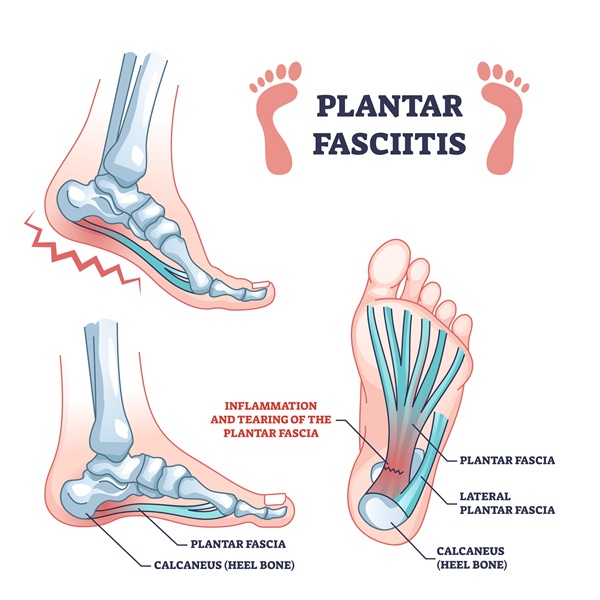
What Is Plantar Fasciitis?
The plantar fascia is a thick, connective band that runs from your heel bone to your toes, acting like a shock absorber and supporting the arch of your foot. When this tissue becomes strained, inflamed, or micro-torn, it leads to plantar fasciitis.
The pain is typically most noticeable on the bottom of the heel and often worse after long periods of inactivity, such as when you wake up or get up from your desk. Over time, ongoing irritation can cause chronic inflammation that impacts your mobility and comfort — but early, proper care can reverse the damage and prevent long-term issues.
Plantar fasciitis often develops slowly over time rather than from a single injury. People who spend a lot of time on their feet or wear shoes without adequate arch support are especially vulnerable.
Recognizing the Symptoms
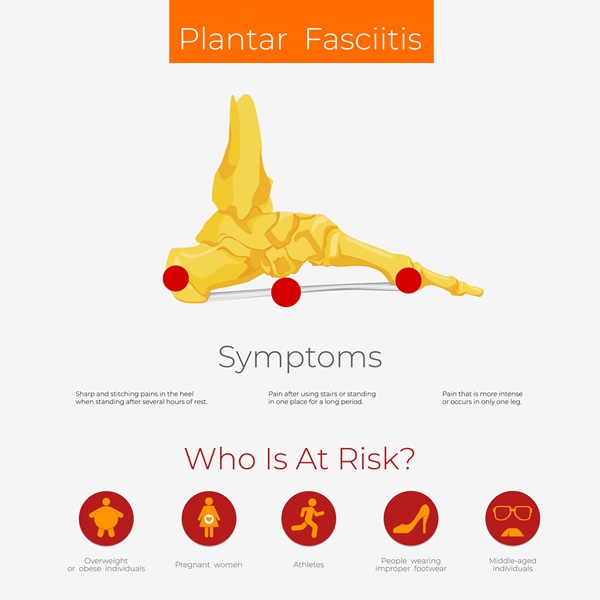
Early recognition helps prevent the condition from worsening. The hallmark signs of plantar fasciitis include:
- Sharp heel pain with your first steps in the morning or after resting.
- Discomfort that lessens during activity but returns after sitting or standing for long periods.
- Tenderness in the arch or heel, especially after exercise.
- Tightness in the calves or Achilles tendon.
- Difficulty walking barefoot on hard floors due to pinpoint heel sensitivity.
Without proper treatment, symptoms can intensify, making walking painful even at rest.
Common Risk Factors
Several factors make you more likely to develop plantar fasciitis:
- Tight calf muscles that reduce ankle flexibility and increase strain on the fascia.
- Repetitive impact activities such as running, dancing, or jumping.
- Standing for long hours on hard surfaces (common among teachers, nurses, and factory workers).
- Improper or worn-out footwear that lacks arch and heel support.
- Flat feet or very high arches, both of which alter foot mechanics.
- Being overweight, which increases stress on the heel.
- Age between 40–60, when tissue elasticity naturally decreases.
A 2019 study published in Foot & Ankle International found that plantar fasciitis is almost twice as common in women as men, owing partly to footwear choices and hormonal factors that affect ligament elasticity.
Meet Our Specialists

Trung Ha, MD

Raphael Ye, DO

Yasmin Fatemi, MD

Brian Lee, DC

Stephanie Yianitsas, PA-C
Diagnosis: What to Expect at Your Visit
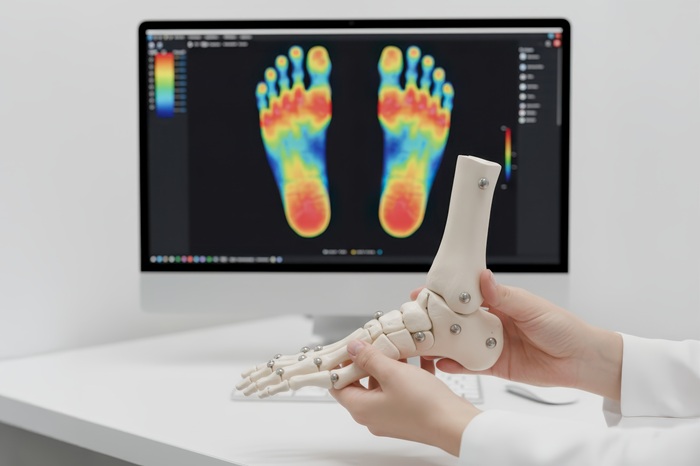
When you come in for evaluation, your healthcare provider will begin with a thorough medical history and lifestyle assessment. You’ll discuss your symptoms — when pain occurs, how long it’s lasted, and what activities make it worse.
Next, a physical examination will identify tender points, assess foot mechanics, and test flexibility in your calves and ankles. In some cases, imaging such as X-rays or ultrasound may be used to rule out other causes of heel pain such as stress fractures, nerve entrapment, or arthritis.
Once your provider understands the full picture, they’ll develop a personalized treatment plan designed to relieve your pain quickly while addressing underlying causes like footwear, posture, or muscle tightness.
Conservative Treatment Options
Roughly 90% of people with plantar fasciitis improve with conservative care, meaning you can usually recover without surgery. Our clinicians focus on a combination of methods tailored to your lifestyle and needs.
Physical Therapy
A customized physical therapy program helps stretch and strengthen the muscles and tissues of the foot and calf. Exercises target the plantar fascia itself along with the Achilles tendon, which plays a major role in heel mechanics. Therapists may also teach gait training and posture adjustments to reduce recurring strain.
Orthotics and Supportive Footwear
Proper support is essential for long-term relief. Orthotic inserts — whether custom-made or pre-fabricated — support the arch, cushion the heel, and promote even weight distribution. Studies show patients using orthotics experience decreased pain and shorter recovery times.
Night Splints
Night splints maintain a gentle stretch in the plantar fascia and calf while you sleep, preventing the tissue from tightening overnight. This reduces the “first step pain” in the morning that many patients dread.
Activity and Lifestyle Modifications
Your provider may recommend limiting high-impact exercises like running or jumping until symptoms subside. Low-impact alternatives such as cycling, swimming, or elliptical workouts keep you active while easing pressure on the fascia.
Anti-inflammatory Measures
Ice therapy and over-the-counter NSAIDs can provide temporary relief from pain and inflammation, especially after long days of standing or walking. In addition, incorporating anti-inflammatory foods such as salmon, leafy greens, berries, turmeric, and olive oil can help reduce systemic inflammation and support your body’s healing process. Staying hydrated and limiting processed foods or added sugars can further promote tissue recovery and overall foot health.
When Conservative Care Isn’t Enough
A small percentage of patients — usually those with severe or longstanding pain — may require more advanced procedures to stimulate healing and reduce inflammation.
Corticosteroid Injections
Steroid injections can provide short-term relief by directly reducing inflammation in the heel. However, due to the potential for tissue weakening with repeated use, these injections are typically limited to a few per year.
Extracorporeal Shock Wave Therapy (ESWT)
ESWT is a noninvasive treatment that uses targeted sound waves to stimulate healing in the plantar fascia. Research from 2023 shows that over 70% of patients reported significant pain reduction after a short course of ESWT treatments.
Regenerative Medicine (PRP Therapy)
Platelet-rich plasma (PRP) injections use your body’s own growth factors to promote healing of chronic tissue damage. This advanced therapy can be especially useful for individuals with recurring or stubborn plantar fasciitis that doesn’t respond to traditional treatments.
Surgical Options
Surgery is rarely necessary but may be considered when all other treatments fail after 6–12 months. The goal of surgery is to release tension in the fascia and remove inflamed tissue, restoring normal function.

Home Care & Prevention Tips
Taking care of your feet every day is one of the best ways to speed recovery and prevent plantar fasciitis from returning.
- Stretch daily: Simple calf and plantar fascia stretches each morning and evening improve flexibility and blood flow.
- Use a frozen water bottle: Roll it under your foot for 10 minutes to soothe inflammation.
- Wear supportive shoes: Choose footwear with firm arch support, a cushioned heel, and slight elevation in the sole.
- Avoid walking barefoot: Even around the house — always wear supportive slippers or shoes.
- Replace shoes regularly: Running or walking shoes lose cushioning after 300–500 miles of wear.
- Maintain a healthy weight: Reducing body weight relieves pressure on the ligaments and joints of the feet.
- Gradually increase activity levels: Especially when starting new exercise routines or sports seasons.
These everyday habits not only promote healing but also reduce your risk of related problems like Achilles tendinitis or heel spurs.
Frequently Asked Questions
How long will recovery take?
Most patients see improvement within three months of treatment, though full healing may take up to six months, especially if the condition has been present for a while.
Can plantar fasciitis go away without treatment?
Some mild cases improve over time, but untreated plantar fasciitis often becomes chronic and harder to resolve. Early care leads to faster, more reliable recovery.
Are custom orthotics worth it?
For people with flat feet, high arches, or unique gait patterns, custom orthotics can make a big difference in comfort and long-term prevention.
What’s the best type of shoe to wear?
Look for shoes with solid arch support, shock absorption, and a slightly raised heel. Athletic or walking shoes with sturdy midsoles are best. Avoid flip-flops or unsupportive flats.
Will I need surgery?
Only about 5% of patients ever require surgical treatment for plantar fasciitis. Most find lasting relief with physical therapy, orthotics, and lifestyle changes.
Take the First Step Toward Heel Pain Relief
Heel pain doesn’t have to dictate your day. The sooner you seek care, the faster you can get back to your favorite activities — walking, running, or simply moving without discomfort.
Don’t wait for the pain to worsen. Schedule your plantar fasciitis evaluation today and take your first confident step toward pain-free movement.
Where Does It Hurt? We Can Help.