
Foot and Ankle Arthritis
Osteoarthritis: Understanding, Treatment, and Care at Holistiq
If your feet or ankles often ache, feel stiff in the morning, or swell after activity, you might be dealing with osteoarthritis—a chronic, progressive joint condition that affects millions of adults. At Holistiq, we combine medical expertise, modern regenerative therapies, and whole-body health strategies to help you move more freely and reduce pain naturally.
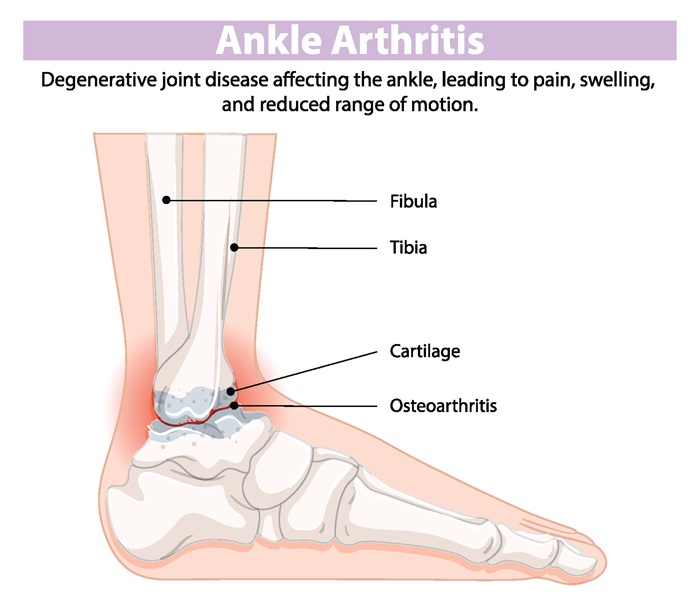
What Is Foot and Ankle Osteoarthritis?
Osteoarthritis (OA) is the most common form of arthritis and affects over 32 million adults in the United States according to the CDC. It occurs when the cushioning cartilage that covers and protects your joints gradually wears down. Without this smooth surface, bones begin to rub together, leading to pain, stiffness, and inflammation.
When this process affects the ankle or foot, the result can be especially disruptive. These joints bear your entire body weight during each step—so even mild degeneration can make walking, climbing stairs, or exercising painful.
Osteoarthritis can develop in several areas of the foot and ankle:
- The ankle joint (tibiotalar joint), where your shinbone meets the top of your foot.
- The midfoot joints, which connect your arch bones and support weight transfer.
- The big toe joint (first MTP joint), often affected by a condition known as hallux rigidus.
Common causes include:
- Previous injuries, such as ankle sprains or fractures.
- Natural aging and repetitive stress from years of walking or running.
- Flat feet or abnormal gait that changes how weight loads the joints.
- Genetic or inflammatory conditions like rheumatoid arthritis.
In simple terms:
Foot and ankle osteoarthritis happens when the joints you rely on for every step lose their protective cushioning, leading to pain and limited motion.
Meet Our Specialists

Trung Ha, MD

Raphael Ye, DO

Yasmin Fatemi, MD

Brian Lee, DC

Stephanie Yianitsas, PA-C
Symptoms and How It Progresses
Osteoarthritis doesn’t develop overnight—it’s a gradual process that often begins with mild discomfort and stiffness that worsens over months or years. Recognizing symptoms early can help you take control of the condition before joint damage becomes severe.
Common signs include:
- Persistent pain or aching in the ankle or foot, particularly after standing or walking.
- Morning stiffness or stiffness after rest.
- Swelling and warmth around the joint.
- A feeling of grinding, popping, or “crunching” with movement.
- Progressive loss of flexibility and mobility.
- Trouble with balance or changing terrain.
As the condition progresses, cartilage continues to deteriorate, and bone spurs (osteophytes) can form. In advanced cases, the pain may appear even at rest, and the joint may visibly change shape. According to orthopedic data, about 1 in 8 adults over age 50 experiences significant foot or ankle joint pain due to degenerative arthritis.
How Holistiq Evaluates Foot and Ankle Osteoarthritis
At Holistiq, your evaluation is more than just a symptom check—it’s a comprehensive assessment of how your joints, movement patterns, and overall health interact.
Our process includes:
- Detailed Medical History: We discuss your symptoms, injuries, activity level, footwear, and previous treatments.
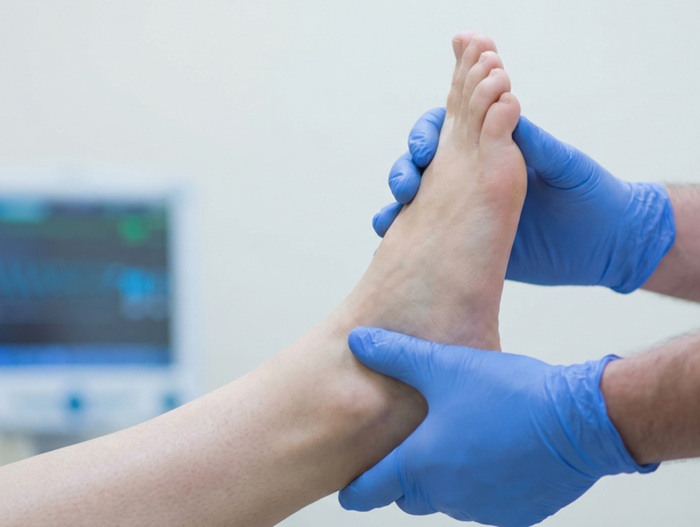
- Physical Exam: We assess range of motion, joint alignment, muscle balance, swelling, and gait patterns.
- Imaging: Digital X-rays or MRI may be used to visualize cartilage thickness, bone spurs, and joint spacing.
- Functional Assessment: Sometimes, subtle imbalances in hip or knee movement can amplify ankle stress—so we evaluate the entire kinetic chain.
Holistiq’s integrative model also explores systemic inflammation and metabolic factors affecting joint health. We believe that by treating you as a whole, not just your joint, outcomes improve significantly.
Non-Surgical Treatments at Holistiq
Most people with foot or ankle osteoarthritis can find significant relief without surgery, especially with a tailored and multidisciplinary approach. Our goal is to reduce pain, restore function, and slow disease progression using both medical and holistic methods.
Physical therapy
Our physical therapists specialize in foot and ankle rehabilitation. They focus on strengthening the muscles that support the joint, improving flexibility, and restoring natural movement patterns.
- Gentle range-of-motion drills to maintain flexibility.
- Balance and proprioception training to prevent falls.
- Manual therapy or massage to improve circulation and reduce stiffness.
Bracing and Orthotics
Custom orthotics and ankle braces help redistribute pressure, stabilize joints, and reduce strain. Proper footwear modifications—such as cushioned soles or rocker-bottom shoes—can make daily movement much easier.
Regenerative and Injection Therapies
Holistiq offers innovative, research-backed interventions including:
- Corticosteroid injections to reduce inflammation.
- Hyaluronic acid injections to lubricate the joint.
- Platelet-rich plasma (PRP) or stem-cell-derived therapies to enhance tissue healing and regeneration.
Early studies show PRP can improve joint pain and function in arthritic ankles by up to 60–70% in selected patients.
Shockwave Therapy
Extracorporeal shockwave therapy (ESWT) uses high-energy sound waves to stimulate healing, enhance blood flow, and reduce chronic pain. It’s noninvasive and can be a great option when standard therapies plateau.
Anti-Inflammatory Nutrition
Our nutrition specialists create food plans rich in:
- Omega-3 fatty acids (from salmon, walnuts, flaxseed).
- Colorful fruits and vegetables high in antioxidants.
- Whole grains and legumes for sustained energy.
We encourage limiting foods that drive inflammation—such as added sugars, processed oils, and excess alcohol.
Gentle Exercise and Home Routines
Daily movement helps lubricate joints and prevent stiffness. We recommend:
- Toe stretches and midfoot mobility drills.
- Ankle circles and calf stretches.
- Low-impact cardio like swimming, cycling, or elliptical training.
Our therapists often provide personalized home routines that fit seamlessly into your schedule.
When Surgery Is Considered
Surgery becomes an option only when pain and mobility loss remain significant despite conservative care.
Common surgical approaches include:
- Arthroscopic debridement: Minimally invasive cleaning of joint surfaces.
Joint fusion (arthrodesis): Stabilizes the joint by joining bones together, eliminating painful motion. - Joint replacement (arthroplasty): Replaces the damaged joint with an artificial implant.
At Holistiq, we coordinate surgical referrals and provide both prehabilitation and post-surgical recovery plans to optimize healing, regain strength, and maintain whole-body wellbeing.
Frequently Asked Questions
How do I know if my ankle pain is arthritis or something else?
Chronic pain, stiffness after rest, and swelling that worsens with activity are key clues. Imaging such as X-rays can confirm joint narrowing or bone spurs typical of osteoarthritis.
Can foot or ankle arthritis go away?
Osteoarthritis doesn’t reverse, but its symptoms can be managed effectively. Many patients regain comfortable mobility through targeted therapy and lifestyle changes.
Is walking bad for arthritis?
Light walking helps maintain joint flexibility and overall health. The key is choosing supportive shoes and avoiding uneven terrain during flare-ups.
What’s the success rate of non-surgical treatments?
About 70–80% of patients with mild to moderate arthritis can manage symptoms without surgery when following a comprehensive plan combining therapy, bracing, and regenerative care.
Do weather changes really affect joint pain?
Many patients report worsened discomfort with cold or damp weather, likely due to fluid pressure changes around the joints. Warm compresses and consistent activity can help offset these effects.
Take the Next Step Toward Relief
You don’t have to live with daily foot or ankle pain. At Holistiq, our team blends proven medical science with holistic care to address not just the joint—but the whole person. Whether you’re looking to stay active, delay surgery, or explore regenerative medicine, we’ll guide you every step of the way.
Where Does It Hurt? We Can Help.