
Treatment For Neuropathy in Legs and Feet
Peripheral neuropathy in the legs and feet can make it hard to walk, sleep, and enjoy daily life, but there are many ways to relieve symptoms and protect your mobility. This page explains what’s happening to your nerves, how we diagnose the cause, and the treatment options we offer to help you feel steadier, safer, and more comfortable.
What Is Peripheral Neuropathy?
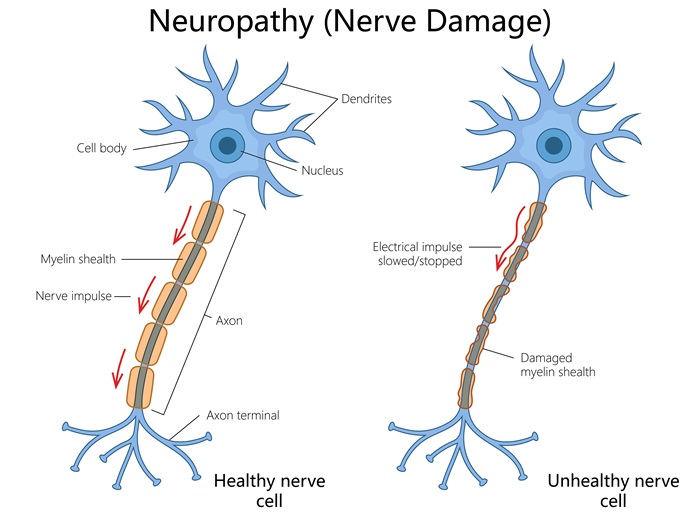
Peripheral neuropathy is nerve damage that affects the “wiring” outside your brain and spinal cord—most often in the legs and feet. When these nerves are injured, the signals between your feet and your brain become distorted or blocked, leading to pain, numbness, or weakness.
Neuropathy often starts in the toes and feet and gradually moves upward, which is why many people first notice symptoms like burning, tingling, or “walking on cotton” in their lower legs. Because these nerves control sensation, movement, and even automatic functions like sweating, neuropathy can affect your comfort, your balance, and your safety.
Common Causes of Neuropathy in Legs and Feet
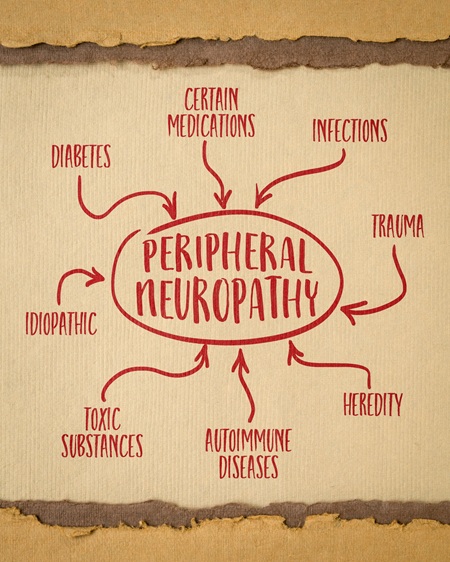
Many different conditions can damage your peripheral nerves. Some of the most common causes we see include:
Diabetes
- High blood sugar over time injures the small blood vessels and nerves that supply your feet.
- Diabetic peripheral neuropathy affects a large percentage of people with diabetes and is a leading cause of foot problems and ulcers.
Nerve Compression
- Conditions like herniated discs, spinal stenosis, tarsal tunnel syndrome, or chronic pressure from tight footwear can “pinch” nerves.
- Repetitive motion, poor posture, or prolonged sitting can also contribute to compression-related neuropathy.
Injury or Trauma
- Car accidents, sports injuries, fractures, or deep cuts can directly damage nerves in the legs and feet.
- Surgery in the lower back, hip, knee, or ankle region may sometimes irritate or injure nearby nerves.
Chemotherapy and Other Medications
- Certain chemotherapy drugs and some other medications can be toxic to nerves, causing burning, numbness, or weakness in the feet and hands.
- Symptoms may begin during treatment or shortly afterward.
Idiopathic Neuropathy (Unknown Cause)
- In some people, even after a full workup, no clear cause is found.
- This is known as idiopathic neuropathy; we still focus on controlling symptoms, protecting your feet, and maintaining function.
Meet Our Specialists

Trung Ha, MD

Raphael Ye, DO

Yasmin Fatemi, MD

Brian Lee, DC

Stephanie Yianitsas, PA-C
Symptoms in Legs and Feet
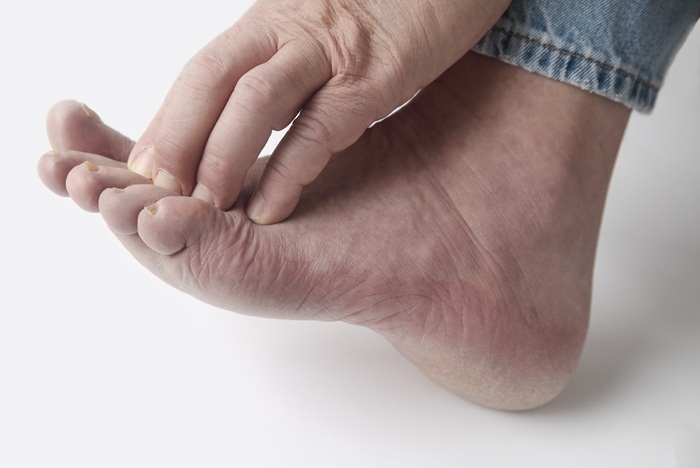
Neuropathy can feel very different from one person to another. Common symptoms in the legs and feet include:
- Burning, shooting, or electric-like pain
- Numbness or reduced ability to feel temperature and touch
- Tingling, “pins and needles,” or crawling sensations
- Feeling like you’re wearing socks when you’re barefoot
- Increased sensitivity to touch (even bed sheets can hurt)
- Muscle weakness or heaviness in the legs
- Poor balance or unsteady gait, especially in the dark or on uneven ground
- Foot cramps or muscle twitching
- Wounds or blisters that you don’t feel right away
These symptoms may be mild at first, then gradually worsen, and often feel more intense at night. The combination of numbness and balance problems significantly raises the risk of falls and injuries.
How Neuropathy Is Diagnosed
Because neuropathy has many possible causes, a careful and comprehensive evaluation is essential. During your visit, we typically:
Review Your Medical History
- When symptoms started and how they have changed
- History of diabetes, back issues, injuries, infections, or chemotherapy
- Medications and supplements you’re taking
- Family history of nerve problems
Perform a Physical and Neurologic Exam
- Check your reflexes, strength, and muscle tone
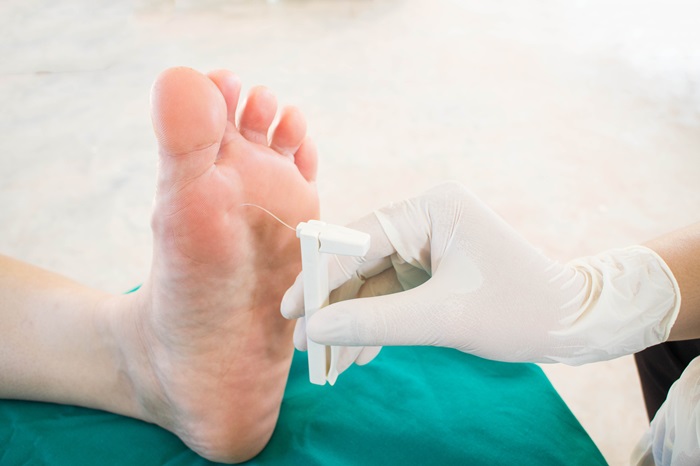
- Test light touch, vibration, temperature, and position sense in your feet and legs
- Assess your gait and balance
Order Laboratory Tests (When Needed)
- Blood sugar and A1C to screen for diabetes or prediabetes
- Vitamin levels (especially B vitamins), thyroid function, liver and kidney tests
- Tests for inflammation, autoimmune conditions, or infections if indicated
Use Imaging or Nerve Tests (When Appropriate)
- Nerve conduction studies (NCS) and electromyography (EMG) to measure how well your nerves and muscles are working
- MRI or other imaging if we suspect nerve compression in the spine or lower limbs
- In rare cases, skin or nerve biopsy to clarify specific diagnoses
Our goal is to identify any treatable cause and understand the pattern of nerve involvement so we can tailor a treatment plan that fits you.
Conservative Treatments for Neuropathy
Most patients start with conservative, non-surgical treatments focused on relieving pain, improving function, and protecting the feet.
Medications
We may recommend medications that target nerve pain, such as:
- Certain anti-seizure medicines (e.g., gabapentin, pregabalin)
- Specific antidepressants that also treat nerve pain
- Topical creams or patches containing anesthetics or other agents
- Over-the-counter pain relievers for mild symptoms (when safe for you)
The choice of medication depends on your medical history, other conditions, and how you respond over time.
Physical Therapy and Balance Training
A skilled physical therapist can help you:
- Strengthen the muscles in your legs and core
- Improve your balance and coordination
- Retrain your gait to reduce fall risk
- Learn safe ways to get up from a fall and move on uneven surfaces
Targeted exercises and balance drills are especially important if you feel unsteady or have already experienced falls.
Nutrition for Nerve Health
Healthy nerves depend on good nutrition and adequate blood flow. We often emphasize:
- Adequate B vitamins (B1, B6, B12), found in fish, eggs, lean meats, dairy, and leafy greens
- Plenty of fruits, vegetables, whole grains, and healthy fats
- Good blood sugar control if you have diabetes or prediabetes
- Avoiding excessive alcohol, which can worsen nerve damage
In some cases, we may recommend specific supplements if you have a documented deficiency or particular nutritional needs.
Minimally Invasive Procedures
When medications and therapy are not enough, some patients benefit from minimally invasive options such as:
- Targeted nerve blocks with local anesthetic and/or steroid to reduce pain
- Image-guided injections near compressed or irritated nerves
- Radiofrequency treatments in select cases
These procedures are typically done on an outpatient basis and can provide relief that allows you to participate better in physical therapy and daily activities.
Interventional Options for Persistent Neuropathy Pain
If pain remains severe despite conservative care, more advanced interventional treatments may be appropriate. These are typically considered after a thorough evaluation and discussion of risks and benefits.
- Peripheral Nerve Stimulation (PNS)
- Small electrodes are placed near specific nerves in the legs or feet.
- A tiny device sends gentle electrical impulses to modify pain signals before they reach the brain.
- Spinal Cord Stimulation (SCS)
- Leads placed near the spinal cord deliver controlled stimulation to reduce chronic neuropathic pain in the legs and feet.
- Many systems allow trial periods so you can see how much relief you get before a permanent implant.
These therapies do not “fix” the underlying nerve damage but can significantly reduce pain, improve sleep, and help you return to activities you enjoy. They are adjustable, and in many cases, reversible.
Frequently Asked Questions
Is peripheral neuropathy reversible?
Some types of neuropathy can improve if the underlying cause is found and treated early—for example, correcting a vitamin deficiency or improving blood sugar control. In long-standing or severe cases, the focus is often on relieving symptoms, preventing further damage, and protecting your feet.
How do I know if my neuropathy is from diabetes?
Diabetic neuropathy usually develops after years of elevated blood sugar and often starts in both feet at the same time. Bloodwork and a detailed history help us determine whether diabetes or prediabetes is contributing.
Can neuropathy lead to serious complications?
Yes. Because you may not feel injuries, minor cuts or blisters can turn into ulcers or infections if not caught early. Combined with circulation problems and balance issues, this can lead to serious complications, including an increased risk of falls and, in severe cases, amputation if infections do not heal.
What treatments are available if medications don’t work?
If standard medications don’t provide enough relief, we may recommend a combination of physical therapy, minimally invasive injections, or advanced options like peripheral nerve or spinal cord stimulation, depending on your specific situation.
How long does it take to see improvement?
In most cases, yes—exercise is strongly encouraged, but it must be tailored to your balance, strength, and any other medical conditions. We often recommend low-impact activities like walking, cycling, or water exercise under professional guidance, especially at the beginning.
Is it safe to exercise with neuropathy?
Get Help for Neuropathy in Your Legs and Feet
You don’t have to live with burning, tingling, or numbness in your legs and feet—or the constant worry about falling. The sooner neuropathy is evaluated, the more options you have to manage pain, slow or prevent progression, and protect your independence.
Where Does It Hurt? We Can Help.