Why Your Lower Back Hurts
And Why One Treatment Is Rarely Enough
Lower back pain can come from irritated joints, strained muscles, bulging or herniated discs, nerve compression, arthritis, or simply years of poor posture and deconditioning. For many, it starts as an acute strain and gradually becomes chronic because the underlying issues—weak core, excess weight, inflammation, or nerve sensitization—never fully get addressed.
Conservative care is almost always the starting point: activity modification, over‑the‑counter medications, and early physical therapy. If pain persists or significantly limits your life, it makes sense to step up to more targeted options such as interventional procedures, regenerative injections, and neuromodulation technologies like peripheral magnetic stimulation.
Movement, Chiropractic Care, and Physical Therapy
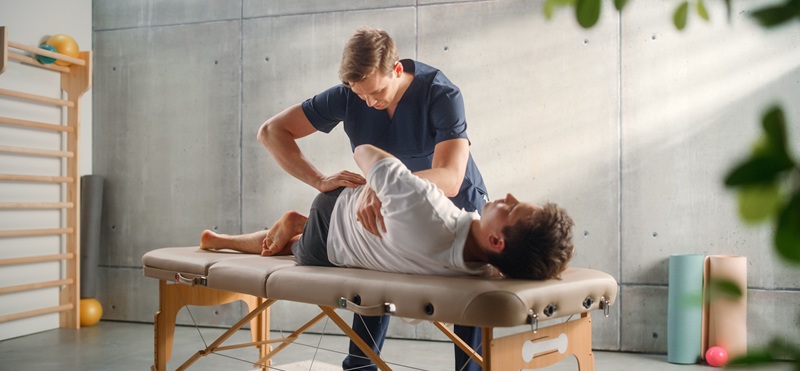
Staying active is one of the most evidence‑backed treatments for both acute and chronic lower back pain. Physical therapy (PT) and chiropractic care build on that idea by restoring alignment, mobility, and strength instead of just masking symptoms.
At Holistiq, chiropractic and physical therapy are used together to improve spinal alignment, joint motion, posture, and muscle balance, especially for people who have become sedentary or gained weight over time. PT typically includes core strengthening, stretching, posture retraining, and graded activity to help you move more with less pain. Chiropractic adjustments help realign restricted joints, reduce stiffness, and ease mechanical stress on discs and nerves.
For many patients, this combination becomes the foundation of their plan: regular adjustments, a customized exercise program, ergonomic coaching, and home strategies like short walks, heat or ice, and basic anti‑inflammatory habits. Once this base is in place, more advanced therapies often work better and results last longer because your spine and muscles are already being supported.
Targeted Pain Procedures: When You Need Precise Relief
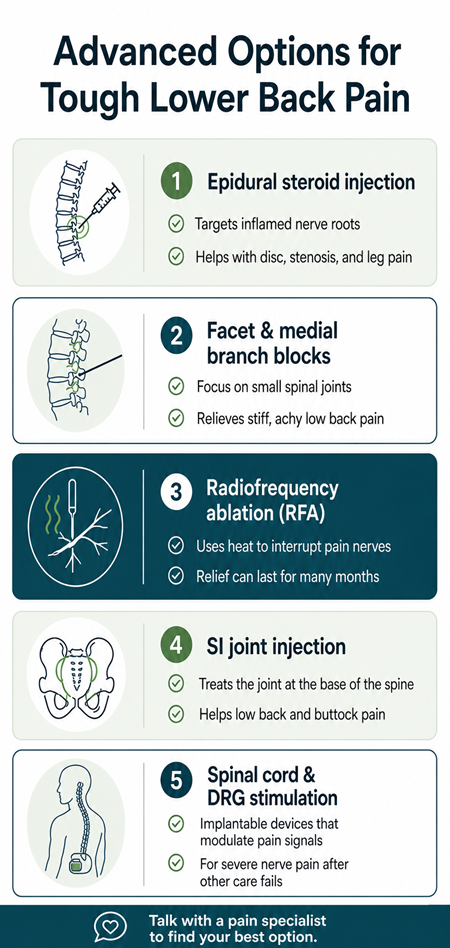
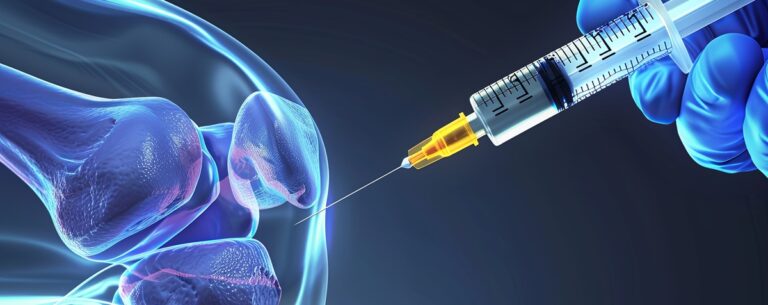
When pain remains stubborn despite good conservative care, targeted procedures can calm the most irritated structures so you can move again and progress in rehab. Holistiq’s interventional pain management menu includes several options that can be especially helpful for lower back pain:
- Epidural steroid injections deliver anti‑inflammatory medication around irritated nerve roots, often used for herniated discs, spinal stenosis, or sciatica‑type symptoms.
- Facet injections and medial branch nerve blocks target the small joints and nerves in the back of the spine that commonly cause aching, localized low back pain.
- Radiofrequency ablation (RFA) uses heat to disrupt pain‑transmitting nerves around painful joints, giving many patients relief that can last six months or longer.
Sacroiliac joint injections address pain from the SI joints, a frequent but under‑recognized source of lower back and buttock discomfort. - Spinal cord and dorsal root ganglion stimulation are implantable neuromodulation options for severe, chronic nerve‑related pain that has not responded to other treatments.
These procedures are typically quick, minimally invasive, and performed under imaging guidance for precision. They are rarely “stand‑alone cures,” but they can break the pain cycle long enough for you to fully engage in PT, weight loss, and strengthening—where lasting change happens.
Peripheral Magnetic Stimulation: A Non‑Invasive Nerve Calming Technology
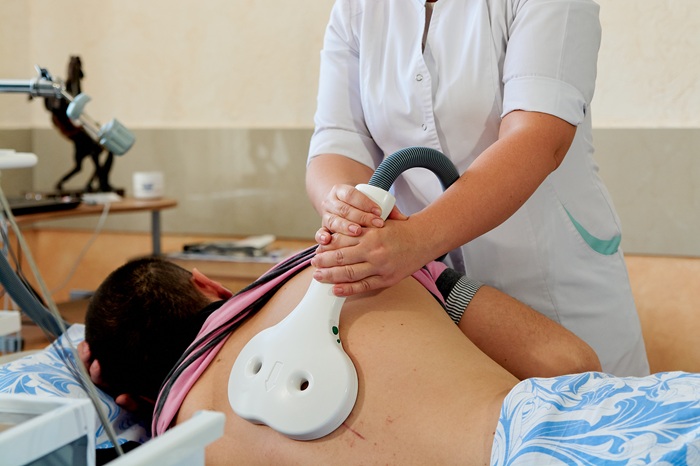
Peripheral magnetic stimulation (PMS), also called magnetic peripheral nerve stimulation (mPNS), is one of the most promising non‑invasive technologies for chronic pain, including certain kinds of lower back pain.
During PMS, a coil placed on the skin sends pulsed magnetic fields into the tissues, creating tiny electrical currents that modulate how peripheral nerves fire. This neuromodulation helps “recondition” pain pathways and reduce abnormal signals going to the brain, often with a tapping or pulsing sensation but no needles, drugs, or incisions.
Research shows that magnetic peripheral nerve stimulation can cut neuropathic pain intensity by roughly 50% on average in some conditions, with about 70% of patients achieving at least 50% pain reduction after a treatment series and some experiencing 80% or greater relief. PMS is FDA‑cleared for chronic intractable, post‑traumatic, and post‑surgical pain, as well as painful diabetic neuropathy in adults. Clinically, it is also being used off‑label for certain forms of chronic low back pain, especially when nerves stay over‑sensitive despite prior procedures or conservative care.
Sessions are short—often 15–30 minutes—with no downtime and a strong safety profile; common side effects are limited to mild tingling or muscle twitching during treatment. Many patients pair PMS with core stabilization exercises and PT so that as the nervous system calms, strength and movement patterns improve at the same time.
Regenerative Medicine: Helping Tissues Heal, Not Just Cope
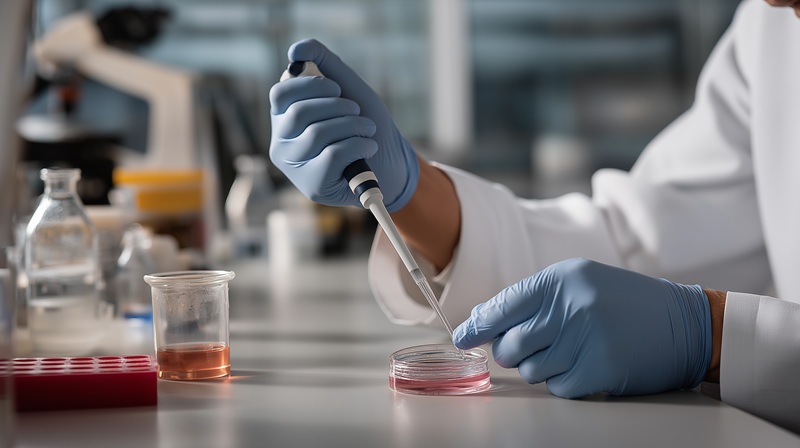
Regenerative medicine focuses on helping damaged tissues repair themselves instead of only quieting inflammation or blocking pain signals. For chronic lower back pain, this approach often targets degenerated discs, ligaments, or facet joints that have gradually worn down.
Though details can vary by clinic, regenerative therapies may include biologic or cell‑based injections designed to support healing of discs, joints, and soft tissues. These treatments are typically image‑guided and combined with a structured rehab plan so that newly healing tissues are supported by improved alignment and muscle strength.
Evidence for biomolecular therapies in discogenic low back pain is expanding, with research aimed at reducing inflammation in intervertebral discs and restoring healthier disc structure. While not right for every patient—and still evolving—they can be an option when more conventional injections and therapies have not provided adequate, lasting relief.
Medical Weight Loss (Tirzepatide) and Back Pain Relief
Excess body weight increases pressure on the lower spine and contributes to higher levels of systemic inflammation, which can amplify pain signals and accelerate joint and disc degeneration. For many people, meaningful weight loss becomes a powerful “treatment” for lower back pain because it reduces mechanical stress and inflammatory load at the same time.
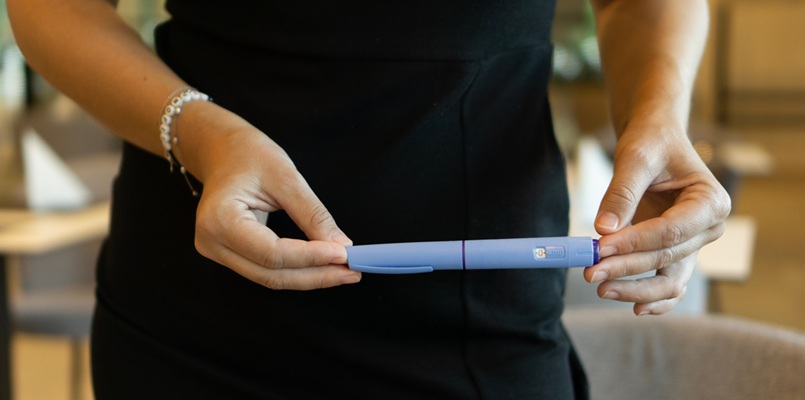
Holistiq offers physician‑supervised tirzepatide weight loss, using a once‑weekly GLP‑1/GIP agonist injection to improve insulin response, curb appetite, and support substantial weight reduction. In clinical studies, tirzepatide has led to significant weight loss and improved blood sugar control, especially when paired with anti‑inflammatory nutrition and increased activity. As patients lose weight, they often report less low back pain, easier movement, and better tolerance for exercise and physical therapy.
The Holistiq program includes an initial medical evaluation, a personalized dosing and lifestyle plan, at‑home medication delivery, and ongoing follow‑up. Supportive services such as nutrition coaching, wellness counseling, chiropractic care, PT, and pain management procedures can be layered in, creating a truly comprehensive plan for people whose weight and pain issues are intertwined.
Peptide Therapies: An Emerging Option
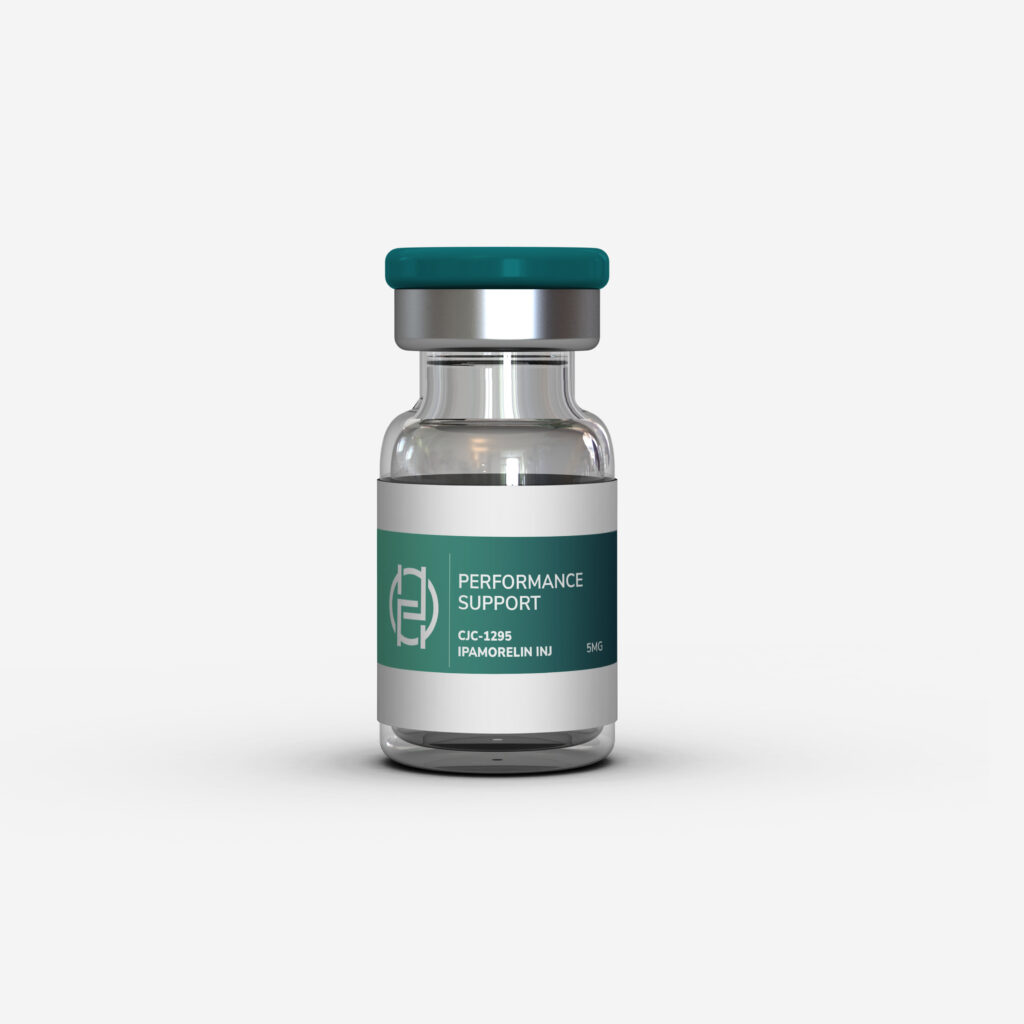
Peptide therapies use short chains of amino acids that act as signaling molecules in the body and are being studied for roles in tissue repair, inflammation modulation, hormone balance, and metabolic health. Some peptides show promise in musculoskeletal recovery, joint support, and potentially in components of chronic pain management, though high‑quality data specific to low back pain are still limited.
At Holistiq, peptide therapy is offered as part of a broader wellness and pain strategy, often alongside weight loss, chiropractic care, and regenerative or interventional treatments. The goal is not to rely on any single “miracle” peptide but to use them thoughtfully, when appropriate, to support healing, recovery, sleep, energy, and metabolic health in a medically supervised setting.
Putting It Together: A Holistic Roadmap for Lower Back Pain
Because lower back pain is multifactorial, the most effective plans tend to combine several of these therapies. Here is an example of what a stepwise, holistic roadmap might look like in practice:
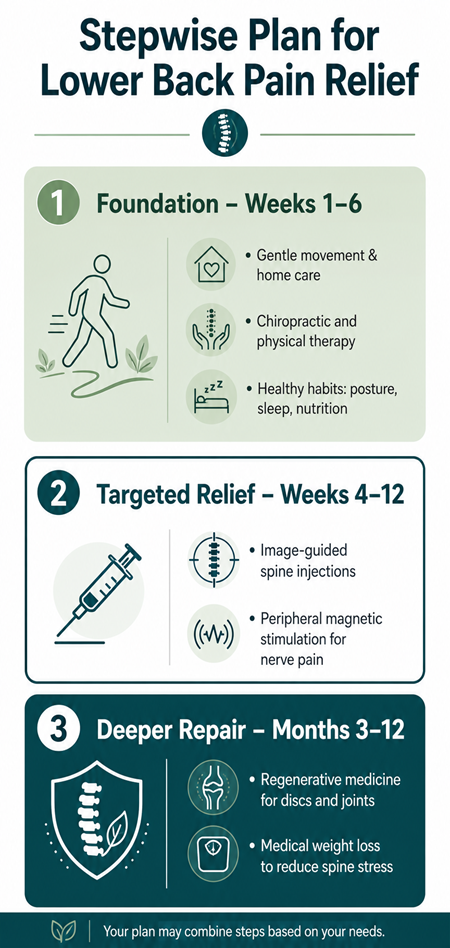
- Foundation (Weeks 1–6)
- Activity modification, short walks, heat/ice, and basic over‑the‑counter medications as advised by your provider.
- Chiropractic care and physical therapy to restore alignment, mobility, and core strength.
- Anti‑inflammatory nutrition, ergonomic changes at work and home, and sleep hygiene.
- Targeted relief (Weeks 4–12)
- If pain is still limiting you, consider epidural steroid injections, facet or SI joint injections, or medial branch blocks, depending on the pain source.
- If neuropathic pain or nerve sensitivity remain high, add peripheral magnetic stimulation sessions.
- Deeper repair and risk reduction (Months 3–12)
- Explore regenerative medicine options if you have clear structural problems like disc or facet degeneration and have tried more standard injections.
- If overweight or obese, consider a structured tirzepatide‑based weight loss program to reduce spinal load and inflammation.
- Discuss peptide therapies and wellness supports to aid recovery, energy, and long‑term health where appropriate.
Throughout this roadmap, regular reassessment is essential so that treatments can be escalated, combined, or tapered based on your goals and response.
FAQs About Lower Back Pain Treatment
1. What is the “best” treatment for lower back pain?
There is no single best treatment for everyone; the most effective plan usually combines movement, hands‑on care, lifestyle changes, and, when needed, targeted procedures or regenerative/neuromodulation therapies tailored to the cause of your pain.
2. How long should I try conservative care before considering injections or advanced therapies?
Many guidelines suggest trying several weeks of structured conservative treatment—like PT, chiropractic care, and lifestyle changes—before moving to injections, unless you have red‑flag symptoms such as severe weakness, significant trauma, or loss of bladder/bowel control. A pain specialist can help decide when it is appropriate to step up care.
3. Is peripheral magnetic stimulation safe, and how many sessions do I need?
PMS has a strong safety profile when delivered by trained providers using FDA‑cleared systems, with most side effects being mild and transient. Protocols vary, but many patients start with multiple sessions over 1–2 months, then move to maintenance treatments every few weeks if needed.
4. Can losing weight really make a difference in my back pain?
Yes. Reducing excess weight can significantly decrease load on the spine and lower overall inflammation, which often translates to less back pain and better mobility. Medically supervised programs using medications like tirzepatide, combined with nutrition and movement, can be especially effective for those who have struggled to lose weight on their own.
5. Are peptide therapies proven for low back pain?
Some peptides show promise for tissue repair, inflammation control, and overall recovery, but strong clinical evidence specifically for low back pain is still emerging. They are best viewed as a supportive tool within a broader pain and wellness plan, rather than a stand‑alone cure.
6. When should I see a specialist about my lower back pain?
You should seek prompt medical evaluation if your pain follows a significant fall or accident, is associated with leg weakness or numbness, loss of bladder or bowel control, fever, unexplained weight loss, or a history of cancer. If your pain has lasted more than a few weeks despite basic care, or keeps coming back, a spine or pain specialist can help identify underlying causes and create a comprehensive, personalized plan.