Cervical Compression Fracture: A Complete Non-Surgical Guide to Recovery
What is a Cervical Compression Fracture?
A cervical compression fracture refers to a structural collapse or break in one or more of the seven vertebrae in the neck (C1–C7). These fractures compromise spinal stability and can press on nerves, causing pain, numbness, or even mobility issues. While commonly associated with trauma such as car accidents or falls, cervical fractures may also occur from weakened bone due to osteoporosis or degenerative conditions.

Why Your Neck Hurts
Neck pain affects a large portion of adults at some point in life and is one of the most frequent musculoskeletal complaints seen in primary care and spine clinics. In most people, it is related to mechanical problems—how joints, discs, muscles, and posture are working—rather than serious disease.
Common Causes
The most frequent causes of cervical compression fractures include:
- Blunt trauma (e.g., motor vehicle collisions)
- Falls, especially in the elderly
- Osteoporosis, leading to fragility fractures
- Sports injuries, particularly high-impact activities
- Violent trauma, such as assaults or accidents
- Spinal degeneration, such as spondylosis or arthritis
Symptoms
Depending on the severity and location of the fracture, symptoms may include:
- Localized neck pain
- Radiating pain to the shoulders or arms
- Tingling or numbness in the arms or hands
- Muscle weakness
- Limited neck mobility
- Headaches or dizziness
- Loss of height or visible deformity in chronic cases
How We Diagnose Cervical Compression Fractures
Diagnosis involves a combination of clinical examination and imaging:
Clinical Evaluation
- Pain pattern assessment: Location, radiation, and severity
- Neurological changes: Sensory disturbances or motor deficits
- Provocative tests:
- Spurling’s test – assesses nerve root compression
- Shoulder abduction relief test – checks for symptom relief via arm positioning
- Reflex testing:
- Biceps reflex (C5)
- Brachioradialis reflex (C6)
- Triceps reflex (C7)
Imaging
- MRI (Preferred): Detects disc herniation, foraminal narrowing, or spinal cord compression
- CT or Myelogram: Used if MRI is contraindicated or to assess surgical outcomes
- X-rays: Reveals vertebral alignment, disc height loss, or bony spurs
Neurodiagnostics
- EMG/Nerve Conduction Studies (NCS): Confirms radiculopathy and differentiates it from other nerve pathologies such as brachial plexopathy or peripheral neuropathy.

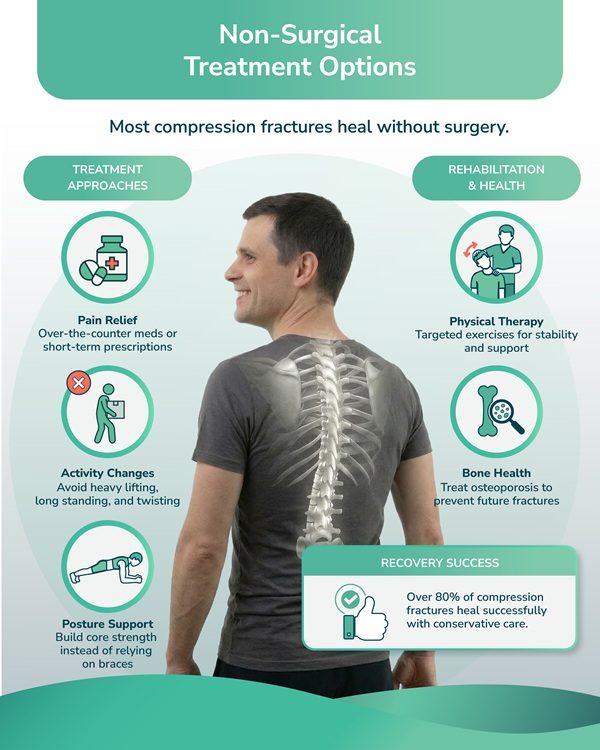
Non-Surgical Treatment Options
Surgery is rarely the first option—and often not needed at all. Here’s how most lumbar compression fractures are managed conservatively:
- Pain control: Acetaminophen, NSAIDs, or short-term opioids
- Activity modification: Limit heavy lifting, prolonged standing, or twisting
- Posture support: Avoid prolonged brace use; instead, strengthen core
- Physical therapy: Focused on core activation and lumbar support
- Osteoporosis treatment: Prevent future fractures
According to current evidence, over 80% of lumbar fractures heal successfully with conservative management.
Holistiq's Cervical Compression Fracture Recovery Plan
At Holistiq, we take a whole-body approach to spinal healing—addressing not just the injury but also the underlying contributors to inflammation, pain, and dysfunction.
1. Anti-Inflammatory Nutrition Counseling
Targeted plans to:
- Customized meal planning includes:
- Omega-3 fatty acids, magnesium, and turmeric
- Antioxidants to reduce systemic inflammation
- Gut-friendly and hormone-balancing dietary protocols
2. Peripheral Magnetic Stimulation (PMS)
A non-invasive technology that:
- Re-activates deep spinal stabilizer muscles
- Eases nerve irritation
- Enhances cervical spine neuromuscular control
3. Chiropractic Therapy
- Gentle spinal adjustments and traction
- Cervical decompression techniques
- Myofascial release and mobilization
4. Injections & Kyphoplasty (as needed)
- Targeted facet joint or epidural injections for inflammation
- Minimally invasive kyphoplasty for select structural restoration
5. Brain-Body Optimization
- Transcranial Magnetic Stimulation (TMS) for chronic pain and mood support
- Pain neuroscience education
- Mindfulness-based techniques, CBT, and breathwork
6. Rehabilitation & Reconditioning
- Deep neck flexor training and cervical isometrics
- Nerve gliding techniques
- Scapular retraining and ergonomic correction
- Return-to-function pathways tailored to lifestyle and occupation
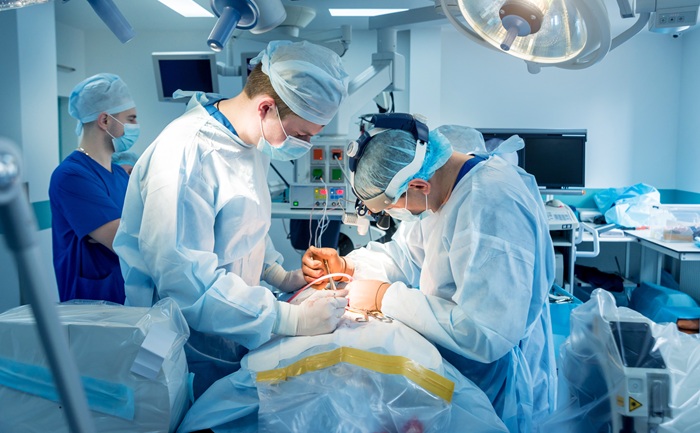
When Surgery is Considered
Surgical intervention may be necessary if:
- There is spinal instability (both anterior and posterior column involvement)
- Neurologic deficits worsen or persist
- Significant vertebral body collapse (>50% loss of height)
- Non-surgical methods fail to provide relief after several months
Surgery may involve spinal fusion or decompression, but these are typically last-resort options after all conservative measures are exhausted.
Cervical Compression Fracture FAQs
Q: Can I heal from a cervical compression fracture without surgery?
A: Yes. Most stable fractures respond well to a comprehensive non-surgical protocol.
Q: How long does recovery take?
A: Recovery timelines vary but typically range from 6–12 weeks with gradual return to function.
Q: Is chiropractic care safe for cervical fractures?
A: When performed by trained professionals and tailored to the patient’s condition, yes—especially when focused on gentle mobilization and decompression.
Q: Should I wear a neck brace?
A: Short-term use may help manage acute pain, but long-term bracing can weaken supportive muscles. Holistiq focuses on active stabilization instead.
Q: Does nutrition really affect spine healing?
A: Absolutely. Inflammation, hormonal balance, and nutrient intake all influence tissue repair and pain perception.
Why Choose Holistiq?
Holistiq merges integrative medicine, cutting-edge technology, and functional rehabilitation into one cohesive experience. Our expert team designs personalized recovery paths based on science-backed, non-invasive modalities—giving patients a strong alternative to surgery.
You’ll benefit from:
- Multidisciplinary collaboration
- Advanced diagnostics and treatments like PMS and TMS
- Holistic support for body, brain, and lifestyle
- Empowered patient education and autonomy
Where Does It Hurt? We Can Help.