Causes, Symptoms, and Treatment Options
Knee pain is a common issue that affects people of all ages and activity levels. Whether you’re an athlete, a weekend warrior, or simply someone who has experienced wear and tear over the years, chronic knee conditions can significantly impact your quality of life. Among these conditions, patellar tendinitis is a prevalent concern, especially for those engaged in repetitive jumping or running activities. However, several other chronic knee conditions can also lead to discomfort and mobility issues. This blog post explores patellar tendinitis and other chronic knee conditions, including their causes, symptoms, and treatment options.
Understanding Patellar Tendinitis
What is Patellar Tendinitis?
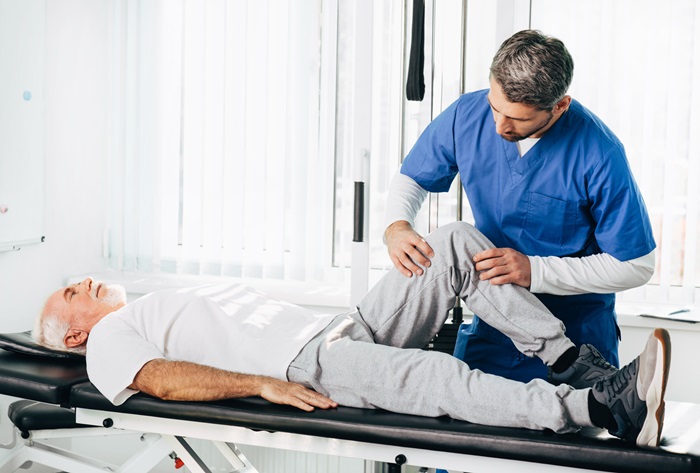
Patellar tendinitis, often referred to as “jumper’s knee,” is an overuse injury that affects the patellar tendon—the structure that connects the kneecap (patella) to the shinbone (tibia). This condition is common in athletes who participate in sports involving frequent jumping, running, or sudden changes in direction, such as basketball, volleyball, and soccer.
Causes of Patellar Tendinitis
Patellar tendinitis develops due to repetitive stress on the knee, leading to small tears in the patellar tendon. Over time, these tears cause inflammation and pain. Several factors can contribute to this condition, including:
- Overuse and Repetitive Motion – Excessive running, jumping, and squatting can place excessive strain on the patellar tendon.
- Muscle Imbalances – Weak quadriceps or hamstrings can increase stress on the knee.
- Improper Biomechanics – Poor running or jumping form can lead to undue pressure on the tendon.
- Inadequate Recovery – Insufficient rest between workouts can prevent proper healing.
- Tight Muscles – Stiff quadriceps and hamstrings can add tension to the patellar tendon.
- Footwear and Surface Impact – Poor shoes or training on hard surfaces can worsen the strain on the knee.
Symptoms of Patellar Tendinitis
The primary symptom of patellar tendinitis is pain just below the kneecap. This pain may start as mild discomfort during activity and gradually worsen over time. Other symptoms include:
- Pain when jumping, running, or walking up/downstairs.
- Tenderness and swelling around the knee.
- Stiffness and aching after prolonged inactivity.
- Weakness in the affected leg.
Treatment Options for Patellar Tendinitis
- Rest and Activity Modification – Reducing high-impact activities can help relieve stress on the knee.
- Physical Therapy – Strengthening exercises targeting the quadriceps, hamstrings, and hip muscles can improve knee stability.
- Stretching – Regular stretching of the quadriceps and hamstrings can help relieve tension.
- Bracing and Taping – Knee straps or taping techniques can reduce strain on the patellar tendon.
- Ice Therapy – Applying ice to the knee can reduce inflammation and pain.
- Medications – Nonsteroidal anti-inflammatory drugs (NSAIDs) can help alleviate pain and swelling.
- Injections and Procedures – Platelet-rich plasma (PRP) therapy and shockwave therapy may promote healing in chronic cases.
Other Chronic Knee Conditions

While patellar tendinitis is a common source of knee pain, several other chronic knee conditions can cause similar or even more severe discomfort. Let’s explore a few of these conditions.
Osteoarthritis of the Knee
What It Is: Osteoarthritis (OA) is a degenerative joint disease that occurs when the cartilage that cushions the knee wears down over time, leading to pain and stiffness.
Causes:
- Aging and natural wear and tear.
- Previous knee injuries.
- Obesity, which increases stress on the knee joint.
- Genetic predisposition to joint conditions.
Symptoms:
- Chronic knee pain, especially after activity or prolonged rest.
- Stiffness and reduced range of motion.
- Swelling and tenderness.
- A grating sensation or popping sounds in the knee.
Treatment Options:
- Weight management to reduce stress on the knee.
- Physical therapy to strengthen supporting muscles.
- Pain management with NSAIDs or corticosteroid injections.
- Hyaluronic acid injections for joint lubrication.
- Surgical options like knee replacement for severe cases.
Meniscus Tears
What It Is: The meniscus is a C-shaped cartilage in the knee that provides cushioning and stability. A meniscus tear can occur due to sudden twisting motions or degenerative wear over time.
Causes:
- Sudden twisting or pivoting movements.
- Aging-related degeneration.
- Sports injuries or impact trauma.
Symptoms:
- Pain along the inner or outer knee.
- Swelling and stiffness.
- Locking or catching sensation in the knee.
- Difficulty fully straightening the leg.
Treatment Options:
- Rest, ice, and compression for minor tears.
- Physical therapy to improve knee stability.
- Injections for pain relief.
- Arthroscopic surgery for severe or persistent cases.
Iliotibial (IT) Band Syndrome
What It Is: IT band syndrome occurs when the iliotibial band—a thick band of connective tissue running along the outer thigh—becomes tight and inflamed, causing knee pain.
Causes:
- Overuse from running or cycling.
- Muscle imbalances in the hips and thighs.
- Poor running form or excessive downhill running.
Symptoms:
- Pain on the outer side of the knee.
- A burning or aching sensation during activity.
- Tightness and tenderness along the IT band.
Treatment Options:
- Rest and activity modification.
- Foam rolling and stretching exercises.
- Strengthening exercises for hip and glute muscles.
- Proper footwear and running mechanics.
Conclusion

Patellar tendinitis and other chronic knee conditions can be painful and limiting, but with proper diagnosis and treatment, individuals can manage symptoms and maintain an active lifestyle. If you’re experiencing persistent knee pain, seeking professional evaluation is essential to determine the best course of action. Whether through physical therapy, regenerative treatments like PRP, or surgical interventions for severe cases, there are many ways to restore knee function and reduce discomfort. Prioritizing joint health and taking preventive measures, such as strengthening exercises and proper footwear, can also help prevent future knee problems. If knee pain is interfering with your daily life, consider consulting a pain management specialist to explore personalized treatment options.