
Foot Pain After Surgery
Finding Relief and Understanding What’s Normal
After foot surgery, some soreness and stiffness are expected. But if your pain lingers months beyond recovery, intensifies instead of easing, or feels sharp, burning, or electric — it may be more than routine healing. Persistent foot pain after surgery is not “normal,” and understanding why it happens is the key to lasting relief.
At Holistiq in Fort Worth, we specialize in uncovering the root causes behind ongoing post-surgical pain. Our integrative team combines medical expertise with advanced diagnostics, physical rehabilitation, and regenerative care to help patients heal fully — not just cope.
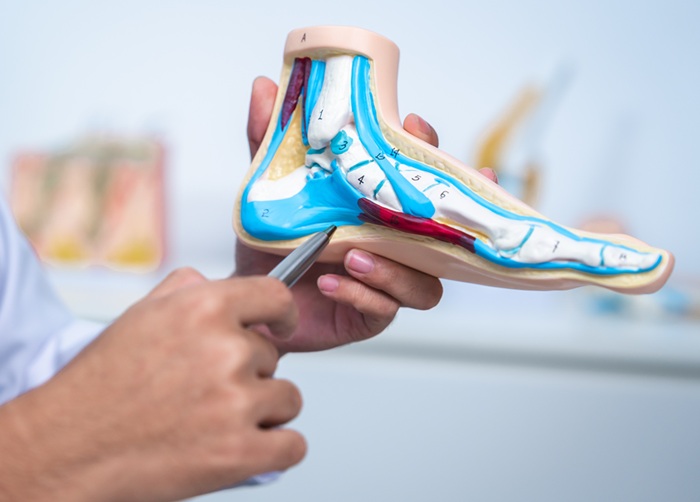
What Is Post-Surgical Foot Pain?
Post-surgical pain is part of the healing process, especially in the first few weeks after a procedure. However, if pain continues beyond 3–6 months or worsens over time, it’s often a sign of deeper issues such as nerve irritation, scar tissue entrapment, or mechanical imbalance in the foot.
Research from The Journal of Foot and Ankle Surgery shows that up to 20% of patients report moderate to severe pain long after standard recovery timelines, and many suffer needlessly because the root cause isn’t properly identified.
Persistent pain may feel different from early postoperative discomfort — instead of dull soreness, patients describe stabbing, burning, or radiating sensations that interfere with walking, sleeping, or wearing shoes comfortably.
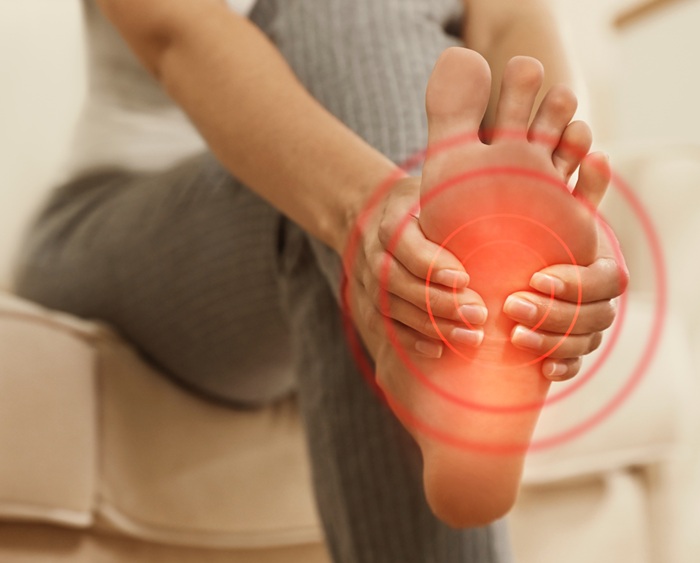
When Is Postoperative Pain Not “Normal”?
Everyone heals differently, but certain patterns suggest something isn’t right:
- Pain that worsens after 8–12 weeks instead of gradually improving.
- Sharp or shooting pain that radiates into the toes or ankle.
- Numbness or tingling that continues after swelling subsides.
- Hypersensitivity, where even light touch or fabric causes discomfort.
- Changes in skin temperature or color, such as excessive warmth, coldness, or discoloration.
Ongoing pain is the body’s way of signaling that something deeper may be wrong — whether it’s delayed healing, nerve irritation, or mechanical strain created by your surgery.
Signs of Nerve Damage After Foot Surgery
Nerve-related foot pain (also called neuropathic pain) can develop after seemingly routine operations such as bunion correction, fracture repair, Achilles tendon surgery, or plantar fasciitis release. During surgery, nearby sensory nerves may become inflamed, stretched, or entrapped by scar tissue.
Common signs of post-surgical nerve damage include:
- Electric shock-like pain or burning sensations.
- Pins-and-needles tingling near the incision or toes.
- Numbness in certain areas that doesn’t resolve.
- Extreme sensitivity (even light touch feels painful).
- Muscle weakness or sudden instability when walking.
A 2022 review in Foot and Ankle Clinics found that nerve symptoms contribute to chronic postoperative pain in up to 30% of foot and ankle surgeries, underscoring why accurate diagnosis is essential.
Meet Our Specialists

Trung Ha, MD

Raphael Ye, DO

Yasmin Fatemi, MD

Justin O’Brien, MD

Brian Lee, DC
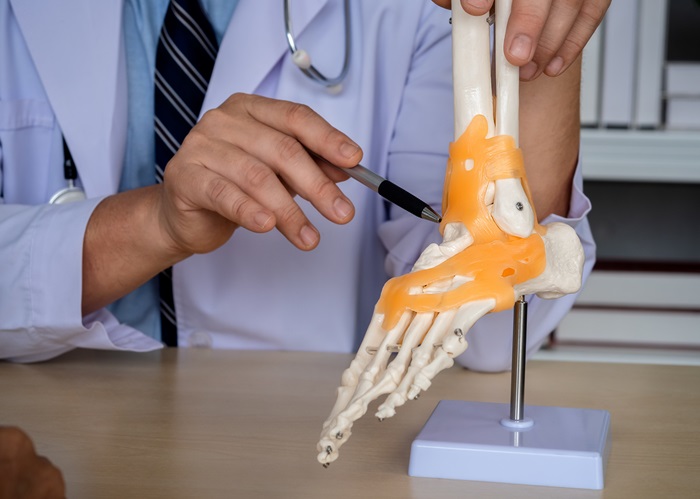
Common Causes of Persistent Foot Pain After Surgery
The exact source of pain can vary from person to person. Most ongoing pain falls into one or more of these categories:
1. Nerve Irritation or Entrapment
Surgical incisions and internal scarring can trap or compress nearby nerves such as the sural, plantar, or tibial nerves, leading to burning or electric-like pain.
2. Scar Tissue Restrictions
As the body heals, dense scar adhesions may form between skin, fascia, or tendons — limiting flexibility and altering natural mechanics.
3. Incomplete Bone or Tendon Healing
If tissue fails to fuse or remodel properly, lingering inflammation and localized pain can persist long after surgery.
4. Biomechanical Imbalances
Changes in joint alignment or gait (even slight ones) can place stress on compensating areas of the foot, ankle, and leg. Over time, these imbalances perpetuate pain.
5. Compensatory Overload
Favoring one foot during recovery can strain the opposite limb, leading to chain reactions in your knees, hips, and lower back.
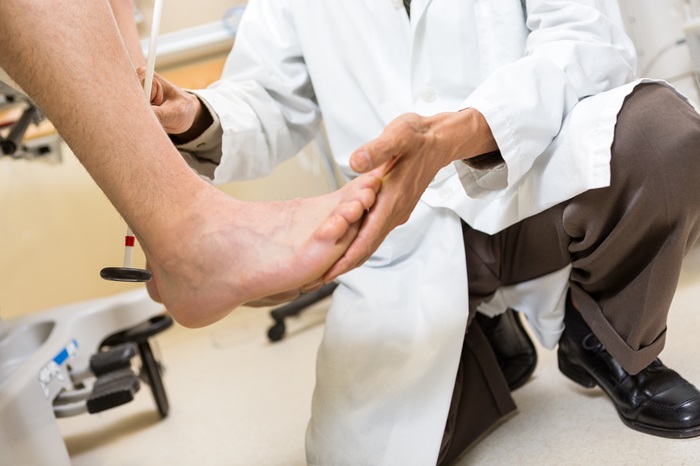
How Holistiq Evaluates Persistent Pain
Persistent foot pain should never be labeled “just scar tissue.” At Holistiq, our evaluations go deeper — combining neurological, biomechanical, and metabolic insights to uncover the true source of discomfort.
Our comprehensive diagnostic process may include:
- Detailed clinical examination: Focused on gait, posture, nerve pathways, and tissue sensitivity.
- Nerve conduction testing or ultrasound imaging: To assess nerve integrity and pinpoint entrapment or inflammation.
- Movement and pressure analysis: To detect mechanical imbalances that affect joint and muscle loading.
- Nutritional and systemic review: Because inflammation, circulation, and nutrient status all influence healing.
This full-body, evidence-based approach ensures you’re not just managing symptoms — you’re solving the right problem.
Non-Surgical Management Options at Holistiq
For most patients, surgery is not the answer to post-surgical pain. Instead, our clinic focuses on advanced non-surgical treatments that help the body reset, recover, and rebuild naturally.
Physical Therapy and Manual Therapy
Targeted therapies restore motion, improve blood flow, and release adhesions that restrict tissue movement. Techniques may include soft-tissue mobilization, myofascial release, and gentle joint manipulation customized to your surgery type.
Desensitization and Nerve Re-education
If nerves have become hypersensitive, guided desensitization and “nerve-gliding” techniques retrain the nervous system to normalize sensation and reduce reactivity.
Anti-Inflammatory and Nerve-Supportive Nutrition
What you eat significantly affects recovery. Diets rich in omega-3 fats, magnesium, vitamin B-complex, and antioxidants help nerves regenerate and inflammation subside. Research suggests that omega-3 supplementation reduces nerve pain by up to 20–30% in chronic conditions. Holistiq’s nutrition specialists work with you to build meal plans that accelerate tissue repair and balance inflammatory pathways.
Medications
Non-opioid medications — including topical anti-inflammatories or low-dose neuromodulators — may be used strategically to control pain while other therapies address underlying causes.
Injections and Nerve Blocks
When localized inflammation or nerve entrapment is evident, precisely guided injections can calm the affected area. Therapeutic nerve blocks often break pain cycles and restore normal nerve signaling.
Regenerative Medicine Techniques
For longer-term or structural recovery, regenerative therapies like Platelet-Rich Plasma (PRP) or growth factor injections can rejuvenate damaged tissue and promote healing. Clinical studies have shown PRP to improve postoperative pain scores by 40–60% within 3 months in patients with chronic musculoskeletal pain.
Across these modalities, Holistiq’s integrated care model emphasizes biologic recovery, not mere symptom control — helping patients comfortably regain mobility and confidence.
Frequently Asked Questions
How long should pain last after foot surgery?
Mild to moderate discomfort can persist for 6–12 weeks, but pain that lingers or worsens after three months isn’t typical and should be evaluated.
Can nerve damage heal on its own?
Often, yes. Nerves regenerate slowly — approximately 1 millimeter per day — so improvement can take weeks to months. Therapies that boost circulation, nutrition, and desensitization accelerate recovery.
Can scar tissue really cause pain?
Yes. Scar tissue can restrict nerve glide and joint mechanics, creating ongoing tension or burning sensations. Manual therapy and regenerative injections often relieve this.
Is it normal for pain to move or change after surgery?
Sometimes, yes — nerve recovery can cause changing sensations. Sudden or worsening pain, however, should be checked to rule out nerve entrapment or complex regional pain syndrome (CRPS).
How is Holistiq different from regular physical therapy?
Holistiq’s specialists combine medical diagnostics, rehabilitative care, functional movement analysis, and nutritional guidance. We don’t just strengthen muscles — we restore the system as a whole.
Regain Confidence in Your Recovery
Living with foot pain after surgery can be frustrating and isolating — especially when you’ve already gone through months of recovery. But there are answers, and relief is possible. Every day, our clinicians at Holistiq help patients who’ve been told “everything looks fine” finally find what’s really causing their pain — and fix it.
Where Does It Hurt? We Can Help.