
Thoracic Radiculopathy
Holistiq, Non-Surgical Solutions
Thoracic radiculopathy is a rare but potentially debilitating condition. With advances in conservative care and integrative medicine, surgery is often avoidable. This guide unpacks the essentials about thoracic radiculopathy, from causes and diagnosis to non-surgical management—highlighting our clinic’s holistic approach.
What Is Thoracic Radiculopathy?
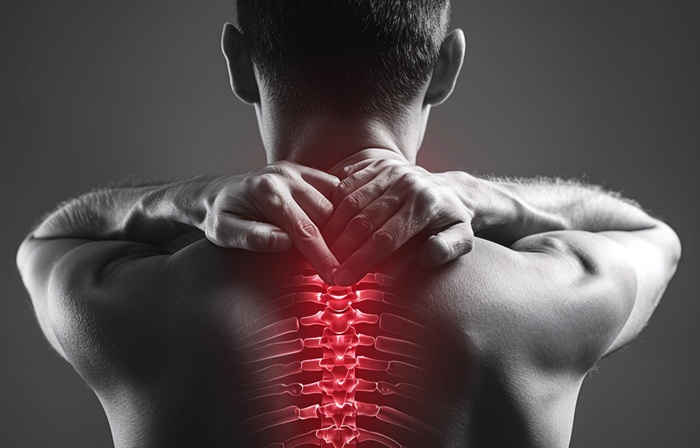
Thoracic radiculopathy occurs when a nerve root in the thoracic (mid-back) spine is pinched or irritated. This can cause radiating pain, numbness, tingling, or weakness along the nerve’s distribution, often affecting the mid-back, chest, or abdomen.
Common Causes
- Degenerative disc and joint disease: Wear and tear leading to compressed nerves.
- Herniated discs: Displaced spinal discs pressing on nerve roots.
- Arthritis and bone spurs: Bony overgrowth irritating nerves.
- Thickened ligaments or facet cysts: Narrowing the nerve’s passageway.
- Back trauma: Injuries compromising spinal structures.
- Diabetes: Peripheral neuropathy can lead to nerve damage.
- Unstable rib attachments, muscle spasm, or tumor/infection (rare).
Symptoms
- Sharp, burning, or shooting mid-back pain—often “band-like” around the chest.
- Tingling, numbness, or abnormal sensations in the chest, abdomen, or back.
- Muscle weakness or spasms in affected muscles.
- Loss of balance, difficulty sitting or bending, and tenderness.
- In severe cases, changes in bowel or bladder control, or difficulty breathing.

How Is Thoracic Radiculopathy Diagnosed?
Clinical Evaluation:
- History: Assessment of radiating pain, sensory changes, and possible muscle weakness.
- Physical tests: Checking for pain patterns, sensory loss, and muscle strength.
- Reflex testing: Reduced reflexes or muscle endurance signal nerve compromise.
- Spinal posture check: Abnormal alignment (like kyphosis or scoliosis) can suggest nerve involvement.
Imaging:
- MRI (preferred): Visualizes disc herniation, nerve compression, and soft tissues.
- CT/Myelogram: Used if MRI isn’t possible or for detailed post-surgical evaluation.
- X-rays: Show bone alignment, disc space loss, and potential bony overgrowth.
Neurodiagnostics:
- EMG/NCS: Electromyography and nerve conduction studies help confirm nerve root irritation or distinguish it from peripheral nerve disorders.bonsecours

Non-Surgical Treatment Options
Most cases improve with conservative care rather than surgery:
- Physical therapy: Targeted exercises to strengthen and mobilize muscles, improve posture, and relieve nerve pressure.
- Medications: NSAIDs, anticonvulsants (for nerve pain), and sometimes corticosteroids to reduce pain and inflammation.
- Transcutaneous electrical nerve stimulation (TENS)/Peripheral Magnetic Stimulation: Non-invasive therapies for pain management and muscle reactivation.
- Manual therapy: Chiropractic adjustments, traction, and myofascial release for decompression and better mobility.
- Image-guided injections: Corticosteroid injections or nerve blocks for targeted pain relief.
- Lifestyle modification: Ergonomic advice, weight management, and functional reconditioning.
Holistiq’s Thoracic Radiculopathy Recovery Plan
An integrative pathway for non-surgical healing:
1. Functional & Anti-Inflammatory Nutrition
- Meal planning rich in omega-3s, magnesium, turmeric, and antioxidants.
- Emphasis on reducing systemic inflammation and supporting gut/hormonal balance.
2. Peripheral Magnetic Stimulation (PMS)
- Non-invasive therapy to reactivate deep spinal muscles, relieve nerve irritation, and support spinal stability.
3. Chiropractic & Manual Therapy
Gentle adjustments, decompression, traction, and active mobilization.
4. Image-Guided Injections
- Precision steroid or nerve block injections, as clinically indicated.
5. Brain-Body Optimization
- TMS (Transcranial Magnetic Stimulation) for chronic pain/mood support.
- Pain neuroscience education, mindfulness, CBT, and breathwork.
6. Rehabilitation & Functional Reconditioning
- Isometric and dynamic exercise, nerve glides, scapular retraining.
- Return-to-function education and ergonomic optimization.

When to Consider Surgery
Surgery is usually a last resort, considered if:
- Symptoms worsen or do not improve despite conservative therapy.
- There are progressive neurological deficits: severe muscle weakness, significant loss of balance, or changes in bowel/bladder function.
Thoracic Spinal Radiculopathy FAQs
What are early signs of thoracic radiculopathy?
Band-like chest/back pain, tingling, or weakness—especially if worsening.
Can it be managed non-surgically?
Yes—for most, comprehensive conservative care yields substantial improvement.
How long does recovery take?
Mild cases: weeks; complex cases: several months with consistent therapy.
Is imaging needed?
MRI or CT scans are often vital for accurate diagnosis and planning.
What makes Holistiq unique?
Integration of medical, nutritional, psychological, and advanced physical therapies for whole-person, lasting healing.
Why Holistiq?
- Personalized care plans, data-driven and comprehensive
- Integrative therapies blending modern medicine and holistic care
- Advanced non-surgical technologies (PMS, TMS, precision injections)
- Focus on empowerment and long-term functional recovery
Contact Holistiq Spine & Orthopaedic
Thoracic radiculopathy can disrupt daily life, but surgery is rarely the only answer. Holistic, patient-centered healing—like Holistiq’s program—can restore comfort, resilience, and mobility for most people. Consult a specialist early and explore non-surgical pathways tailored to your unique health journey.
Where Does It Hurt? We Can Help.