
Thoracic Herniated Disc
Advanced, Non-Surgical Solutions
A thoracic herniated disc can be a source of persistent and sometimes disabling pain. Fortunately, many cases respond well to holistic, non-surgical care. This guide explains thoracic herniated discs, details their causes and symptoms, describes how they are diagnosed, and highlights the most current non-surgical strategies—featuring Holistiq’s integrative recovery plan.
What Is a Thoracic Herniated Disc?
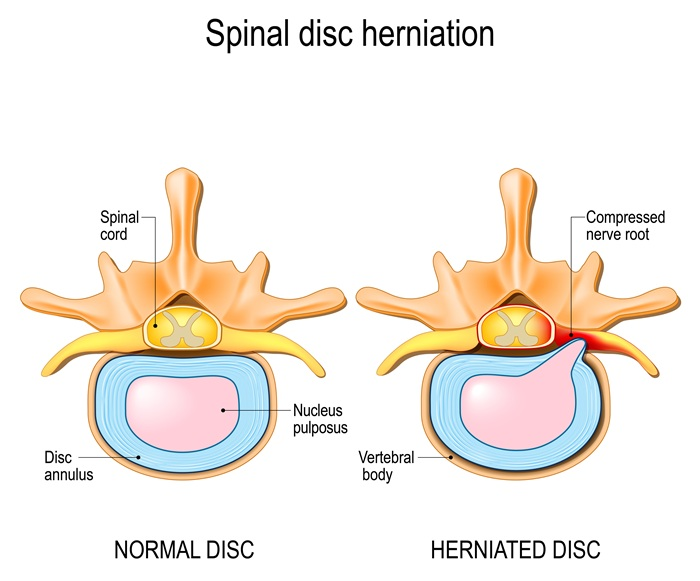
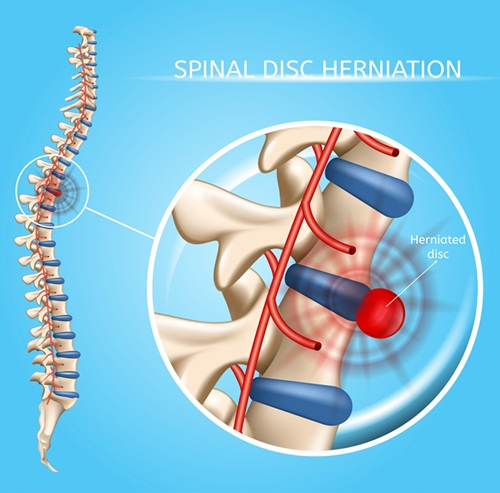
A thoracic herniated disc occurs when the soft, inner core of an intervertebral disc in the thoracic (mid-back) spine pushes through its tougher outer layer. This herniation may compress spinal nerves or even the spinal cord, causing pain, weakness, numbness, and other neurological problems in the upper back, chest, or abdomen.
Causes
- Degenerative Disc Disease: Most cases are due to age-related wear and tear.
- Trauma: Sudden injuries, car accidents, or improper lifting can cause disc herniation.
- Repetitive Strain: Occupations or sports that involve repeated spinal motions.
- Genetic Factors: Family history may play a role in some individuals.
- Lifestyle Choices: Smoking and being overweight accelerate disc degeneration and stress.
Symptoms
- Mid-back pain (may feel like a tight band or sharp, gripping ache)
- Pain radiating around the chest or abdomen (“band-like” distribution)
- Tingling, numbness, or burning along the rib, chest, or upper abdominal area
- Weakness in the legs or difficulty walking (if the spinal cord is involved)
- Worsening with activity, coughing, or certain movements
- In severe cases: bladder or bowel changes, or unsteady gait (myelopathy)
How Is a Thoracic Herniate Disc Diagnosed?
Clinical Evaluation:
Clinical Evaluation:
- History: Pain’s location, pattern of radiation, symptoms in chest, abdomen, or legs.
- Physical Exam:
- Sensory checks, muscle strength, abnormal reflexes
- Spinal posture and gait analysis
- Rule out other conditions: Heart, lung, or stomach issues can mimic disc symptoms.
Imaging:
- MRI (preferred): Pinpoints herniation, nerve or spinal cord compression.
- CT scan/Myelogram: For detailed bony changes, anatomy, or when MRI is contraindicated.
X-ray: Assesses alignment and chronic disc changes, but doesn’t show herniation directly.
Neurodiagnostics:
- EMG/NCS: Confirms nerve root involvement or distinguishes from unrelated nerve conditions.
Non-Surgical Treatment Options
Non-surgical treatment is effective for most patients and includes:
- Physical Therapy: Custom exercises for mobility, core strength, and posture.
- Medications: NSAIDs, acetaminophen for pain; short-term muscle relaxants or steroids for severe cases.
Activity Modification & - Gentle Movement: Avoid aggravating motions, but remain as active as possible. Gradually return to normal activities.
- Manual Therapy: Chiropractic care, gentle mobilization, and myofascial release.
Ice and Heat Therapy: For acute episodes. - Image-Guided Injections: Epidural steroid injections may provide targeted pain relief.
- Lifestyle Adjustments: Weight management, improved posture, and ergonomic optimization.
Holistiq’s Thoracic Herniated Disc Recovery Plan
Holistiq’s approach is an advanced, integrative pathway emphasizing non-surgical care:
1. Functional & Anti-Inflammatory Nutrition
- Personalized meal planning with omega-3s, magnesium, turmeric, and antioxidants
- Emphasizes reducing inflammation and supporting gut/hormonal health
2. Peripheral Magnetic Stimulation (PMS)
Non-invasive technology reactivates deep spinal muscles, reduces nerve irritation, and stabilizes the thoracic spine
3. Chiropractic & Manual Therapy
Gentle adjustments, traction, decompression, and mobilizations adapted to thoracic anatomy
4. Image-Guided Injections
Precision facet or epidural steroid injections for rapid pain relief
5. Brain-Body Optimization
- TMS (Transcranial Magnetic Stimulation) for persistent pain or mood changes
- Pain neuroscience education, mindfulness, CBT, and breathwork
6. Rehabilitation & Functional Reconditioning
- Isometrics, core and thoracic stability exercises, nerve glides, and ergonomic retraining
- Gradual, supervised return-to-function

When to Consider Surgery
Surgical intervention is usually reserved for:
- Persistent, disabling pain or neurological deficits not improved with at least 6–12 weeks of conservative
- Progressive muscle weakness or loss of coordination.
- Loss of bowel or bladder control, or signs of spinal cord compression (myelopathy).
- Large, calcified herniations causing severe compression.
Thoracic Herniated Disc FAQs
What are the first signs of a thoracic herniated disc?
Band-like mid-back or chest pain, often radiating and sometimes associated with numbness or tingling.
Can I recover without surgery?
Yes, most patients experience significant symptom improvement through a holistic, multimodal program.
How long does it take to recover?
Many see progress in 6–12 weeks, though some persistent cases may require longer.spine-health
Are MRI scans always needed?
Yes, MRI is the gold standard for accurate diagnosis and to guide treatment decisions.
Why choose Holistiq?
Holistiq blends personalized nutrition, non-surgical technology, comprehensive rehabilitation, and advanced physical and psychological therapies for superior outcomes.
Why Choose Holistiq?
- Individualized recovery plans based on detailed diagnostics
- Integration of evidence-based and holistic therapies
- State-of-the-art modalities (PMS, TMS, precision injections)
- Focus on long-term function, patient education, and lifestyle transformation
Contact Us to Learn More
A thoracic herniated disc can be disruptive—but surgery is not inevitable. With early diagnosis and a holistic, patient-centered approach like Holistiq’s, most individuals regain function and comfort safely. Always consult a spinal specialist to tailor your care and ensure the best possible outcome.
Where Does It Hurt? We Can Help.