Lumbar Herniated Disc: Evidence-Based Relief & Holistic Healing

What Is a Lumbar Herniated Disc?
A lumbar herniated disc occurs when the soft inner core (nucleus pulposus) of a spinal disc ruptures through its fibrous outer layer (annulus fibrosus), often compressing spinal nerves. Most commonly affecting L4–L5 or L5–S1, it is a leading cause of sciatica, low back pain, and functional impairment.
While disc herniation may result from trauma or improper lifting, it typically arises from age-related degeneration, where discs become dry and brittle over time.

Pathophysiology: Understanding the Pain
As discs lose hydration and elasticity, tiny tears in the annulus can lead to protrusion or extrusion of the nucleus, irritating nearby nerve roots. This causes:
- Mechanical nerve compression
- Chemical inflammation
- Altered nerve signaling
These mechanisms underlie the radiating pain, numbness, or muscle weakness often experienced by patients.
Symptoms of a Lumbar Herniated Disc
Localized Symptoms:
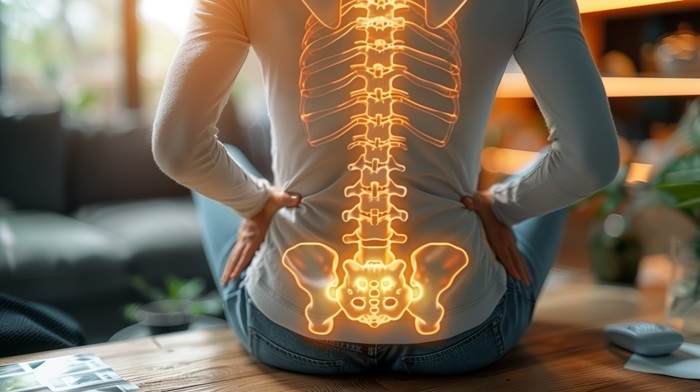
- Lower back pain (often unilateral)
- Pain worsened by sitting, coughing, or lifting
- Relief when walking or lying down
Neurological Symptoms:
- Radicular pain (sciatica)—shooting down the buttock, leg, or foot
- Tingling or numbness in a dermatomal pattern
- Muscle weakness (e.g., foot drop)
- Red flag: Bowel/bladder dysfunction → may indicate cauda equina syndrome
Diagnosing a Lumbar Herniated Disc
Clinical Exam:
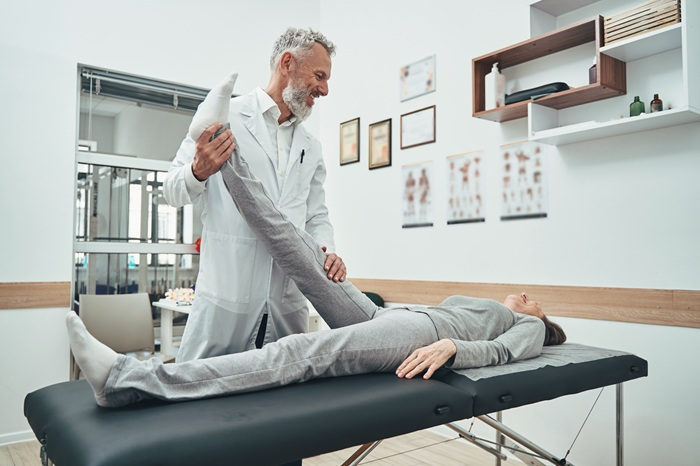
- Positive straight leg raise test
- Sensory changes and motor weakness
- Diminished deep tendon reflexes
Imaging & Testing:
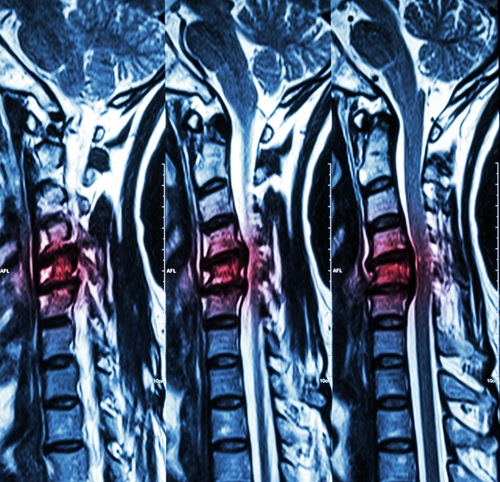
- MRI: First-line to detect disc herniation and nerve compression
- CT/Myelogram: Used if MRI is contraindicated or for pre-surgical planning
- EMG: Helps confirm radiculopathy and rule out peripheral neuropathy
Non-Invasive Treatment Options
We specialize in helping patients avoid surgery through a personalized, multi-modal approach rooted in evidence-based care. Our goal? Treat the root cause—not just the symptoms.
Anti-inflammatories (NSAIDs)
For reducing inflammation without heavy intervention
Short-Term Steroids
Brief oral steroid tapers during acute flare-ups to calm inflammation fast
Smart Activity Adjustment
Encouraging movement—not bed rest—to maintain function and promote healing
Targeted Rehab
Chiropractic care or physical therapy that focuses on pelvic girdle stability and nerve mobility through neural glides.
Holistiq’s Lumbar Disc Recovery Program
Our innovative program goes beyond standard care. We treat the whole person using these pillars:
1. Functional & Anti-Inflammatory Nutrition
Customized meal planning with:
- Omega-3 fatty acids, magnesium, turmeric
- Antioxidants to reduce systemic inflammation
- Gut-friendly, hormone-balancing protocols
2. Shockwave Therapy
A non-invasive modality that:
- Stimulates healing with high-energy acoustic waves
- Breaks up scar tissue and chronic muscle tightness
- Supports disc repair and mobility restoration without injections or surgery
3. Peripheral Magnetic Stimulation (PMS)
A non-invasive modality that:
- Enhances deep spinal muscle neuromuscular reactivation
- Reduces nerve irritation,
- Improves lumbar spine stabilization
4. Chiropractic & Manual Therapy
- Gentle spinal adjustments and traction
- Lumbar decompression techniques
- Myofascial release and active mobilization
5. Image-Guided Injections (Case-Dependent)
- Regenerative biologics (PRP, stem cells) in select cases to promote annular repair
- Lumbar epidural steroid injections for acute nerve root inflammation
- Medial branch blocks or radiofrequency ablation if facet joint pain coexists
6. Brain-Body Optimization
- TMS (Transcranial Magnetic Stimulation) for chronic pain and mood
- Pain neuroscience education
- Mindfulness, CBT, and breathwork
7. Movement Restoration & Rehab
- Lumbar isometrics, nerve glides, and pelvis girdle stabilization
- Postural re-training and ergonomic modifications
- Progressive return to activity and prevention of recurrence
When Is Surgery Considered?
Holistiq emphasizes non-surgical healing first, but surgery (e.g., microdiscectomy) may be necessary if:
- Pain persists after 6–12 weeks of therapy
- Progressive muscle weakness is observed
- Bladder/bowel symptoms emerge (emergency)
- Imaging shows massive herniation or sequestration
We work with spine surgeons when needed and guide patients through both pre- and post-op recovery.
FAQ: Lumbar Herniated Disc
Q: Can a lumbar herniated disc heal naturally?
A: Yes. With rest, movement, and inflammation control, many discs reabsorb or stabilize within weeks.
Q: Is walking good for a herniated disc?
A: Yes. Gentle walking enhances blood flow, reduces stiffness, and improves spine function.
Q: How is Holistiq different?
A: We combine conventional medical wisdom with holistic innovations, creating a comprehensive, patient-centered care model.
Q: Do I need surgery?
A: Not always. In fact, most of our patients recover fully without surgery.
Q: What therapies help most with sciatica?
A: Epidural steroid injections, PMS therapy, and targeted physical rehab can drastically reduce sciatica symptoms.
Why DFW Patients Choose Holistiq Spine
1. Evidence-Based, Trusted Solutions: Research-backed therapies tailored to your unique spinal health needs
2. Integrated Care Under One Roof: From diagnosis to relief, we handle it all — no referral chasing
3. Cutting-Edge + Compassionate: We blend science, technology, and empathy for optimal recovery
4. Results That Last: We don’t just relieve symptoms — we target root causes for long-term wellness
Book Your Evaluation Today
A lumbar herniated disc doesn’t have to mean surgery or a life of pain. At Holistiq Spine & Orthopaedic, we help you reclaim your mobility, health, and quality of life using an integrative, regenerative, and personalized approach that works — without overreliance on medications or surgery.
Where Does It Hurt? We Can Help.