
Sacroiliac (SI) Joint Pain: Symptoms, Causes, Diagnosis & Evidence-Based Treatment
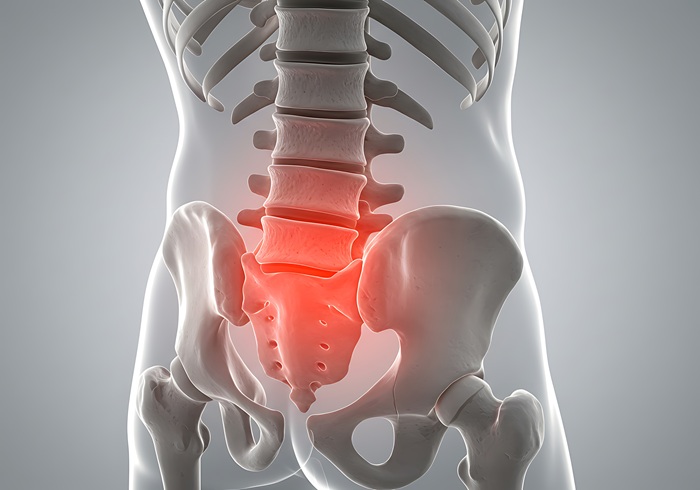
Understanding Sacroiliac (SI) Joint Pain
The sacroiliac (SI) joints connect the base of your spine (sacrum) to the pelvis (iliac bones), acting as shock absorbers during walking, running, and lifting. When these joints become irritated or unstable, it can lead to persistent pain and altered movement mechanics. SI joint dysfunction is an often-overlooked but significant cause of lower back, pelvic, and buttock pain, especially in women, athletes, and individuals with prior spine surgery.
Key Sacroiliac Joint Pain Facts
- Location: Felt at the base of the spine, often radiating to the buttocks, hips, groin, or upper thighs.
- Type of Pain: Aching, stabbing, or sharp pain—can worsen with sitting, standing, or certain movements.
- Frequency: Women, especially during or after pregnancy, have a higher risk.

Clinical Symptoms of SI Joint Dysfunction
Pain Distribution:
- One-sided low back or deep buttock pain
- Referred pain to the hip, groin, or posterior thigh
- Worse when standing, walking, climbing stairs, or sitting for long periods
- Relieved by lying down or unloading the pelvis
Functional Signs:
- Pelvic stiffness or misalignment
- Pain during transitions (e.g., getting in/out of bed or car)
- Difficulty with single-leg balance or asymmetrical load bearing
Functional Signs:
- Pelvic stiffness or misalignment
- Pain during transitions (e.g., getting in/out of bed or car)
- Difficulty with single-leg balance or asymmetrical load bearing
Trauma or injury:
Falls, car accidents, or direct impact to the pelvis
Repetitive stress:
Sports, heavy lifting, or labor-intensive jobs
Pregnancy:
Hormonal changes and pelvic stretching increase joint laxity
Leg length discrepancy:
Can contribute to SI (sacroiliac) joint pain by creating pelvic imbalance, which leads to abnormal stress and uneven load distribution across the joint.
Arthritis:
Inflammatory (e.g., ankylosing spondylitis) or osteoarthritis
Infection or prior spine surgery
(less common)
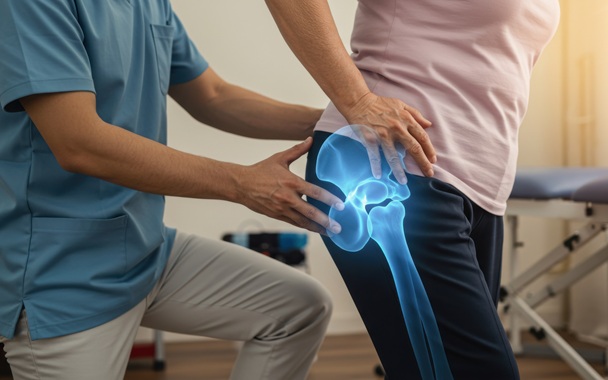
Diagnosing Sacroiliac Joint Pain
We follow a multi-step, evidence-based diagnostic pathway:
- Orthopedic exam (FABER, Gaenslen, compression tests)
- MRI or CT scan if needed to rule out other pathologies
- Diagnostic SI joint injection with local anesthetic to confirm the joint as the pain generator
Holistiq’s Integrative 7-Step SI Joint Pain Protocol
1. Anti-Inflammatory Nutritional Coaching
Support joint health with omega-3s, magnesium, turmeric, and detox protocols targeting gut, liver, and hormonal balance.
2. Acoustic Wave Therapy
Delivers microtrauma to stimulate repair and break up fibrosis around the joint capsule.
3. Peripheral Magnetic Stimulation (PMS)
- High-frequency acoustic pulses break down scar tissue
- Enhances blood flow and mobility
- Promotes deep tissue healing
4. Corrective Manual Therapy & Chiropractic Care
Includes safe mobilization of the SI joint, myofascial release, and pelvic realignment techniques.
5. Regenerative Injections (Image-Guided)
Platelet-Rich Plasma (PRP), stem cells, corticosteroids, or anesthetic for targeted relief.
6. Brain-Body Pain Rewiring
Transcranial Magnetic Stimulation (TMS), mindfulness, and CBT to reduce chronic pain cycles.
7. Functional Rehabilitation
Core-to-hip strengthening, gait correction, proprioceptive reeducation, and ergonomic coaching.
Frequently Asked Questions about SI Joint Pain
Q: How do I know if my pain is coming from the SI joint?
A: SI joint pain is often mistaken for lumbar disc or hip pain. An experienced clinician can use special tests and diagnostic injections for confirmation.
Q: Can SI joint pain heal on its own?
A: In many cases, SI joint pain improves with conservative treatment, lifestyle changes, and targeted rehabilitation.
Q: When should I see a doctor?
A: Seek medical advice if pain is severe, persistent, or accompanied by leg weakness, numbness, or bladder/bowel changes.
Why Holistiq Spine & Orthopaedic?
At Holistiq Spine & Orthopaedic Clinic, we specialize in non-surgical spine and pelvic care with advanced diagnostics, personalized care pathways, and regenerative therapies. We don’t chase symptoms—we retrain your system for stability, mobility, and lasting relief.
Where Does It Hurt? We Can Help.