
Lumbar Compression Fractures: Holistic Healing Without Surgery

Low back pain that just won’t quit? It might be more than a strain—lumbar compression fractures are a leading cause of chronic spine pain, especially in older adults. Fortunately, surgery isn’t always the answer. This guide breaks down everything you need to know about lumbar compression fractures and how Holistiq’s non-surgical care plan supports lasting recovery.
What is a Lumbar Compression Fracture?
A lumbar compression fracture occurs when a vertebra in the lower spine (L1–L5) collapses due to excessive pressure, often from trauma or weakened bone (like osteoporosis). These fractures can result in significant pain, spinal misalignment, nerve irritation, and limited mobility.
Unlike neck or thoracic fractures, lumbar fractures primarily affect posture, lower body function, and core stability.
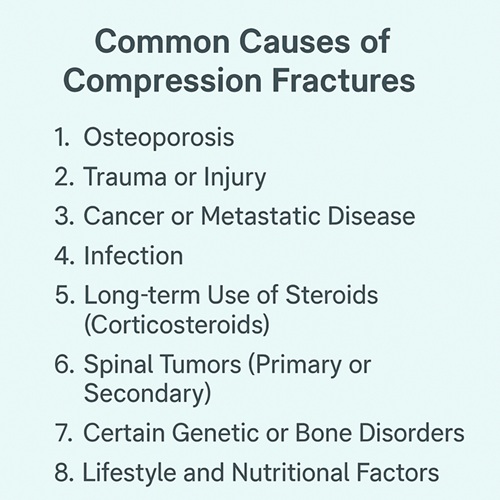
Causes & Symptoms of Lumbar Compression Fractures
Common Causes
Lumbar compression fractures are more common than you think—and not just from high-impact trauma. The leading causes include:
- Osteoporosis – making bones fragile and prone to fracture
- Falls – especially in adults over 65
- Lifting injuries or repetitive strain
- Vehicular accidents
- High-impact sports or misjudged jumps
- Cancer – metastatic lesions can weaken vertebrae
Symptoms
While some lumbar fractures are “silent,” others scream for attention. Watch for:
- Sudden low back pain
- Pain that worsens with standing, walking, or movement
- Limited bending or twisting ability
- Height loss or stooped posture
- Spinal deformity or a noticeable “hump”
- Pain radiating into hips, buttocks, or legs (mimicking sciatica)
- Abdominal pressure or fullness (due to spinal curvature)
How It Is Diagnosed
Diagnosis combines clinical skill and advanced imaging to rule out serious conditions like nerve compression or malignancy.
Clinical Evaluation
- History of pain following a fall, sudden bend, or minimal trauma
- Localized spine tenderness
- Neurologic exam to rule out sensory or motor deficits (e.g., foot drop, weakness)
- Check for symptoms of bowel/bladder dysfunction (red flag for spinal cord compromise)
Imaging
- X-rays: Identify vertebral height loss, kyphosis, and alignment changes
- MRI: Essential to assess fracture acuity, edema, and soft tissue involvement
- CT Scan: Helpful for surgical planning or complex fractures
- Bone Scan: Assesses activity in cases of multiple or unclear-age fractures
Laboratory Testing
When underlying osteoporosis or malignancy is suspected, additional labs may include:
- Calcium, Vitamin D, CBC
- Serum protein electrophoresis (rule out myeloma)
- Testosterone levels (in men)
- Parathyroid hormone, thyroid function


Non-Surgical Treatment Options
Surgery is rarely the first option—and often not needed at all. Here’s how most lumbar compression fractures are managed conservatively:
- Pain control: Acetaminophen, NSAIDs, or short-term opioids
- Activity modification: Limit heavy lifting, prolonged standing, or twisting
- Posture support: Avoid prolonged brace use; instead, strengthen core
- Physical therapy: Focused on core activation and lumbar support
- Osteoporosis treatment: Prevent future fractures
According to current evidence, over 80% of lumbar fractures heal successfully with conservative management.
Holistiq’s Lumbar Compression Fracture Recovery Plan
Our holistic roadmap restores lumbar strength, spine integrity, and quality of life—without relying on pills or surgery.
1. Functional & Anti-Inflammatory Nutrition
Targeted plans to:
- Reduce systemic inflammation with omega-3s, turmeric, magnesium
- Balance hormones and support bone rebuilding
- Heal the gut-brain axis and support adrenal function
2. Peripheral Magnetic Stimulation (PMS)
This advanced, non-invasive therapy:
- Activates dormant spinal stabilizer muscles
- Relieves lumbar nerve root irritation
- Supports deep core reconditioning
3. Chiropractic & Manual Therapy
- Gentle lumbar mobilization and flexion-distraction
- Myofascial release for paraspinal tightness
- Lumbar decompression techniques to reduce disc pressure
4. Image-Guided Injections (When Indicated)
- Minimally invasive Facet joint or
- Epidural steroid injections
5. Vertebral Augmentation
- Vertebroplasty: Injection of medical-grade bone cement into a fractured vertebra to stabilize it and reduce pain.
- Kyphoplasty: Similar to vertebroplasty, but a balloon is first used to create a cavity and, in some cases, restore some lost vertebral height before cement injection.
6. Brain-Body Optimization
- TMS (Transcranial Magnetic Stimulation) to improve pain tolerance and mood
- Cognitive Behavioral Therapy (CBT) for chronic pain reprocessing
- Mindfulness and breathwork for pain modulation
7. Rehab & Functional Reconditioning
- Lumbar isometric training and pelvic stabilization
- Nerve flossing techniques for radiculopathy relief
- Gait training and ergonomic correction
- Gradual reintegration into functional activities (walking, lifting, stairs)

When to Consider Surgery
Although rare, surgery may be warranted in certain cases:
- Severe fracture with spinal instability
- Ongoing pain despite months of conservative care
- Retropulsed bone fragments compressing spinal nerves
- Rapid neurological decline (numbness, weakness, bladder/bowel dysfunction)
- Progressively worsening deformity (kyphosis) or height loss
Compression Fracture Frequently Asked Questions (FAQ)
Q: Can lumbar fractures heal naturally?
A: Yes. The vast majority stabilize and heal with time, rest, and rehabilitation.
Q: Will I need a brace?
A: Bracing may help briefly but is not recommended long-term. Holistiq focuses on active core retraining instead.
Q: How long does it take to recover?
A: Most patients improve significantly within 6–12 weeks, with full recovery typically within 3–6 months.
Q: Is kyphoplasty safe?
A: It can be effective in select patients but isn’t a first-line treatment. Holistiq only recommends it when clearly necessary.
Q: How can I prevent future fractures?
A: Strengthen bones through nutrition, correct hormonal imbalances, improve posture, and treat osteoporosis proactively.
The Holistiq Difference
With Holistiq, you get more than symptom relief—you get a precision recovery plan that rebuilds your foundation from the inside out. Our team blends the best of modern diagnostics, functional medicine, and regenerative therapy to offer:
- Comprehensive, non-surgical options
- Cutting-edge technologies like PMS and TMS
- Whole-body healing: mind, spine, and beyond
- Real-time results with long-term prevention
Begin Your Journey to a Pain-Free Life
A lumbar compression fracture doesn’t have to mean surgery, sedation, or suffering. With the right guidance, your body has the power to heal. Holistiq provides a proven path to recovery, grounded in science and personalized to you.
Where Does It Hurt? We Can Help.