Shockwave Therapy for Lasting Pain Relief
Non‑Invasive Healing for Joints, Tendons, and Muscles
What Is Shockwave Therapy?
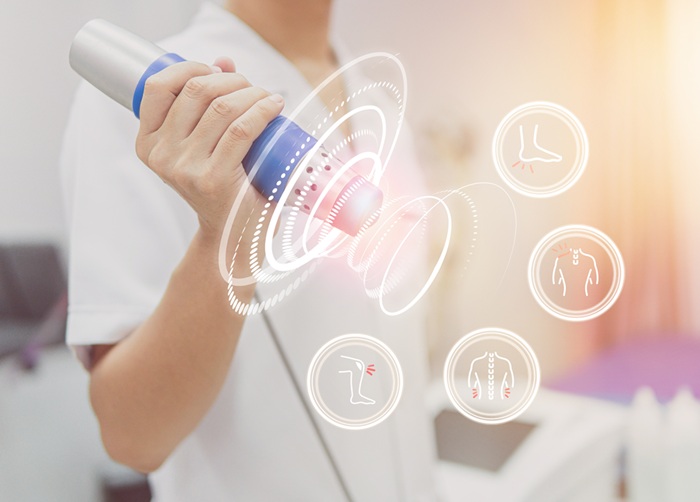
Shockwave therapy, also known as extracorporeal shockwave therapy (ESWT), is a non-invasive treatment that uses high-energy acoustic waves to stimulate healing in damaged tissues. These waves penetrate deep into the affected area, triggering increased blood flow, cellular regeneration, and the breakdown of scar tissue.
Unlike medications that simply mask symptoms, shockwave therapy addresses the underlying cause of pain by accelerating the body’s natural healing processes. It is widely used in orthopedics, sports medicine, physical therapy, and pain management.
There are two main types of shockwave therapy:
- Radial shockwave therapy: disperses energy over a broader area, ideal for superficial conditions.
- Focused shockwave therapy: delivers energy deeper into tissues for more targeted treatment.
What Conditions Does Shockwave Therapy Treat?
Shockwave therapy is highly versatile and has been clinically proven to treat a wide range of conditions. Research shows success rates of 70–90% for many chronic musculoskeletal issues, especially when combined with other therapies.
Common conditions we treat include:
- Plantar fasciitis
- Achilles tendonitis
- Tennis elbow (lateral epicondylitis)
- Golfer’s elbow (medial epicondylitis)
- Shoulder pain and rotator cuff injuries
- Calcific tendonitis
- Patellar tendonitis (jumper’s knee)
- Hip pain and bursitis
- Chronic neck and back pain
- Myofascial trigger points
Shockwave therapy is especially effective for patients who have not responded well to rest, medications, or traditional treatments.
Why Shockwave Therapy Works
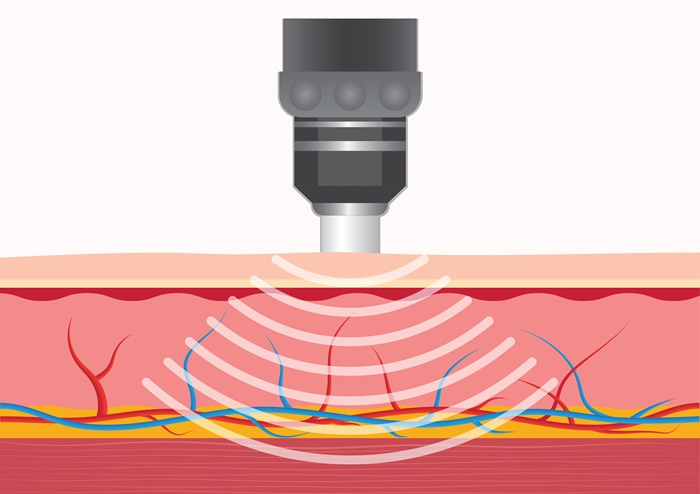
Shockwave therapy works by stimulating biological responses at the cellular level. When acoustic waves are applied to injured tissue, several key processes occur:
- Increased blood circulation, which delivers oxygen and nutrients needed for healing.
- Stimulation of collagen production, essential for repairing tendons and ligaments.
- Breakdown of calcifications and scar tissue.
- Reduction of inflammation and pain signals.
- Activation of stem cells and growth factors.
Studies have shown that shockwave therapy can significantly reduce pain after just a few sessions, with many patients reporting noticeable improvement within 2–4 weeks.
Our Integrated Treatment Approach
At our clinic, shockwave therapy is not used in isolation—it is a key tool within a comprehensive treatment strategy tailored to each patient.
Your customized care plan may include:
- Chiropractic care to restore alignment and improve joint function.
- Physical therapy to strengthen muscles, improve mobility, and prevent re-injury.
- Pain physician treatments, including advanced procedures when necessary.
- PMS (peripheral magnetic stimulation) to enhance neuromuscular recovery.
- Peptide therapy to support tissue repair, reduce inflammation, and optimize healing at the cellular level.
By combining these therapies, we address not only your symptoms but also the root cause of your condition, leading to more lasting results.
The Shockwave Therapy Process
Initial Consultation
Your journey begins with a comprehensive evaluation. During this visit, we:
- Review your medical history and symptoms.
- Perform a physical examination.
- Identify the underlying cause of your pain.
- Determine if shockwave therapy is appropriate for your condition.
In some cases, imaging or additional diagnostics may be recommended to ensure an accurate diagnosis.
Personalized Treatment Plan
Based on your evaluation, we develop a customized treatment plan tailored to your needs and goals. This plan outlines:
- The number of sessions required (typically 3–6 sessions).
- The frequency of treatments (usually once per week).
- Complementary therapies to enhance results.
We take a whole-body approach, ensuring every aspect of your recovery is addressed.
Treatment Sessions
Shockwave therapy sessions are quick, typically lasting 10–20 minutes. During the procedure:
- A handheld device is applied to the treatment area.
- Acoustic waves are delivered through the skin into the affected tissue.
- You may feel mild discomfort, especially in sensitive areas, but most patients tolerate it well.
No anesthesia or downtime is required, making it a convenient option for busy individuals.
Post-Treatment Care
After your session, you can usually return to normal activities immediately. However, we provide specific guidance to maximize your results:
- Avoid intense physical activity for 24–48 hours.
- Stay hydrated to support tissue recovery.
- Follow prescribed exercises or physical therapy routines.
- Attend all scheduled sessions for optimal outcomes.
Some patients experience mild soreness after treatment, which typically resolves within a day or two.
Benefits of Shockwave Therapy
Shockwave therapy offers numerous advantages compared to traditional treatments:
- Non-invasive and drug-free.
- Minimal side effects and no downtime.
- Fast treatment sessions.
- High success rates for chronic conditions.
- Reduces the need for surgery or long-term medication use.
- Promotes natural healing rather than masking symptoms.
According to clinical studies, over 80% of patients report significant pain reduction and improved function after completing a full course of treatment.
Who Is a Good Candidate?
Shockwave therapy is ideal for individuals who:
- Have chronic pain lasting more than 6 weeks.
- Have not responded to conservative treatments.
- Want to avoid surgery or injections.
- Are looking for a natural, non-invasive solution.
It may not be suitable for individuals with certain conditions, such as pregnancy, blood clotting disorders, or active infections in the treatment area. Our team will carefully evaluate your eligibility during your consultation.
Frequently Asked Questions
Is shockwave therapy painful?
Most patients experience mild to moderate discomfort during treatment, but it is generally well tolerated. The intensity can be adjusted for your comfort.
How many sessions will I need?
Most patients require 3–6 sessions, depending on the severity and duration of their condition.
How quickly will I see results?
Some patients notice improvement after the first session, while others see gradual progress over several weeks as the body heals.
Are there any side effects?
Side effects are minimal and may include temporary redness, swelling, or soreness in the treated area.
Is shockwave therapy covered by insurance?
Coverage varies depending on your insurance provider and condition. Our team can help verify your benefits.
Can shockwave therapy replace surgery?
In many cases, yes. Shockwave therapy can significantly reduce or eliminate the need for surgical intervention, especially for chronic tendon and soft tissue conditions.
Take the Next Step Toward Pain Relief
Don’t wait for your condition to worsen. Schedule your consultation today and take the first step toward a faster recovery, improved function, and a better quality of life. Our team is ready to create a personalized treatment plan that gets you back to doing what you love—pain free.
Where Does It Hurt? We Can Help.