
Comprehensive Hip Bursitis Treatment: Causes, Symptoms, Diagnosis & Advanced Recovery
Hip Pain
- Hip Pain Overview
- Avascular Necrosis
- Bursitis
- Gluteal Tendinopathy
- Pain by Activity (Walking, Running, Sitting, Sleeping)
- Pain in Athletes
- Pain in Older Adults
- Pain by Location (Front, Side, Rear)
- Iliopsoas Pain
- Impingement Syndrome
- Labral Tear
- Osteoarthritis
- Pain After Hip Replacement
- Piriformis Syndrome
- Snapping Hip Syndrome

What is Hip Bursitis?
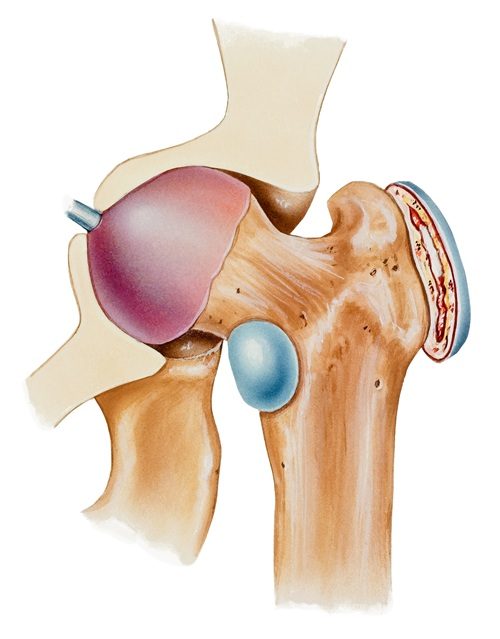
Hip bursitis is a condition caused by inflammation of the bursae—small, fluid-filled sacs that cushion and reduce friction between bones, tendons, and muscles around the hip joint. The most commonly affected bursa is the trochanteric bursa, located on the outer hip.
Common Causes
Hip bursitis is usually triggered by repetitive stress or overuse of the hip, direct trauma, poor posture, leg length differences, past surgeries, or systemic conditions such as rheumatoid arthritis, gout, thyroid disease, and diabetes. Activities like gardening, tile work, long bouts of running or cycling, as well as hip injuries, can increase risk.
Symptoms
Symptoms typically develop gradually and include:
- Dull, aching pain on the outer hip or thigh
- Stiffness and tenderness, especially when pressing the hip
- Pain worsened by lying on the affected side, climbing stairs, getting up from a chair, or walking
- Swelling or warmth may occur; redness and fever suggest an infection and require urgent care.
How Hip Bursitis is Diagnosed
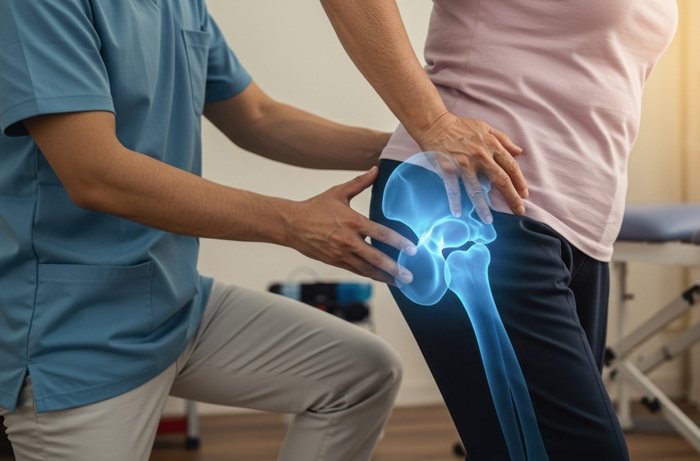
Clinical Evaluation: Diagnosis begins with a detailed history and physical examination. Clinicians check for areas of tenderness, swelling, hip mobility, and may perform maneuvers such as FABER (Flexion, Abduction, and External Rotation) to reproduce symptoms and rule out other causes.
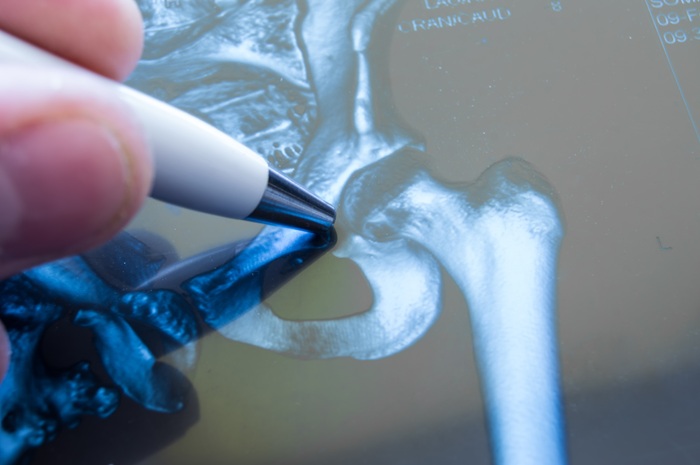
Imaging: Initial imaging often includes plain X-rays to exclude bone abnormalities, fractures, or arthritis. Magnetic resonance imaging (MRI) excels at showing soft tissue inflammation or tendon injuries. Ultrasound can detect excess fluid in the bursa and guide injections.
Neurodiagnostics: Neurodiagnostic tests, like nerve conduction studies or electromyography (EMG), may be used when nerve compression or other neurologic conditions are suspected, helping to differentiate bursitis from neuropathies.
Non-Surgical Treatment Options
- Rest and activity modification: Avoid actions that worsen pain.
- Ice application: Reduces swelling and soothes pain.
- Anti-inflammatory medications (NSAIDs): Short-term use relieves pain but must be monitored for side effects.
- Physical therapy: Includes stretching, hip strengthening, and modalities like ultrasound or massage.
- Assistive devices: Temporary use of canes or crutches can relieve burden.
- Steroid injections: Direct injection into the bursa offers significant but sometimes temporary relief.
Holistiq Spine & Orthopaedic’s Recovery Plan
Functional & Anti-inflammatory Nutrition
Holistiq’s expert team delivers nutrition plans emphasizing:
- Omega-3-rich fish, flaxseeds, and walnuts
- Leafy greens, colorful fruits (berries, cherries), and antioxidants
- Anti-inflammatory herbs and spices like turmeric and ginger
- Reducing processed sugars, refined carbs, and trans fats
This approach helps lower inflammation and supports long-term joint health.
Shockwave Therapy
A non-invasive modality that:
- Stimulates healing with high-energy acoustic waves
- Breaks up scar tissue and chronic muscle tightness
- Supports disc repair and mobility restoration without injections or surgery
Peripheral Magnetic Stimulation (PMS)
This advanced therapy applies targeted pulsed magnetic fields to the hip region, promoting healing, reducing pain, and boosting circulation for faster recovery—a modern adjunct to conventional therapies.
Chiropractic & Manual Therapy
Holistiq’s chiropractors use gentle hip adjustments, soft tissue mobilization, and targeted stretches to reduce pain, enhance mobility, and address biomechanical issues contributing to bursitis.
Image-Guided Injections
Office-based procedures such as ultrasound-guided aspiration (removal of bursa fluid), steroid injections, or platelet-rich plasma (PRP) therapy offer targeted symptom relief. These are tailored to minimize downtime and maximize recovery.
Brain-Body Optimization
Brain-body optimization incorporates tools like Transcranial Magnetic Stimulation (TMS) to recalibrate pain perception and enhance neuromuscular function, integrating mind and movement for holistic healing.
Movement Restoration & Rehab
A tailored rehab plan focuses on:
- Hip and core muscle strengthening
- Stretching tight muscles, especially the iliotibial band
- Gradual return to activity and ergonomic training to prevent recurrence
- Modalities such as therapeutic exercises, balance training, and manual therapy.
When Is Surgery Considered?
Surgery is considered only when hip bursitis fails all conservative measures. Surgical options include minimally invasive removal of the inflamed bursa, often through small incisions, with quick recovery and excellent outcomes.
Frequently Asked Questions (FAQs)
What is the main cause of hip bursitis?
Repetitive stress, overuse, injury, or underlying medical conditions.
How can I tell if I have hip bursitis?
Gradual onset of hip pain, worse with activity or pressure, and tenderness over the outer hip.
Is hip bursitis serious?
Typically not life-threatening, but it can limit activity and mobility; infection requires urgent care.
Does hip bursitis require surgery?
Rarely—most cases resolve with conservative care.
How long does recovery take?
Most improve with rest and therapy within weeks, but chronic cases may require ongoing management.
Can diet really help my hip bursitis?
Yes, an anti-inflammatory diet can help lower joint pain and promote healing.
Are steroid injections safe?
Steroid injections are safe with proper frequency, though repeated use can weaken tissues.
How does Holistiq’s approach differ?
Holistiq employs a multidisciplinary, holistic recovery plan targeting body, mind, and nutrition for superior results.
Regain Your Hip Strength With Holistiq
Holistiq is a leader in innovative, patient-centered care for hip conditions. The team combines cutting-edge medical treatments with holistic therapies like anti-inflammatory nutrition, advanced neurostimulation, chiropractic care, and evidence-based rehabilitation—for comprehensive, lasting recovery.
Ready to Reclaim Hip Comfort and Mobility?
Don’t let hip pain hold you back any longer. Schedule an appointment with Holistiq Spine & Orthopaedics and take the first step toward expert diagnosis, personalized treatment, and whole-person wellness. Let the journey to pain-free living begin—reach out today!
Let us help to restore your quality of life. Book a personalized evaluation today.
Where Does It Hurt? We Can Help.






Hip Pain
- Hip Pain Overview
- Avascular Necrosis
- Bursitis
- Gluteal Tendinopathy
- Pain by Activity (Walking, Running, Sitting, Sleeping)
- Pain in Athletes
- Pain in Older Adults
- Pain by Location (Front, Side, Rear)
- Iliopsoas Pain
- Impingement Syndrome
- Labral Tear
- Osteoarthritis
- Pain After Hip Replacement
- Piriformis Syndrome
- Snapping Hip Syndrome