
Knee Bursitis Symptoms, Causes & Treatment Options

Understanding Knee Bursitis
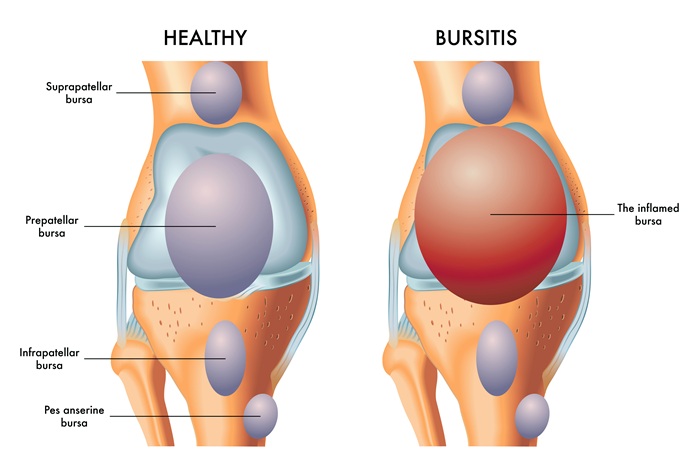
Your knees carry you through every step, kneel, and climb. When pain and swelling suddenly make those movements difficult, knee bursitis could be the reason. This condition develops when one or more bursae—small fluid‑filled sacs that cushion the knee joint—become inflamed. These sacs normally act as smooth gliding surfaces, reducing friction between bones, tendons, and muscles. But when irritation sets in, fluid builds up, causing swelling, tenderness, and discomfort that can limit movement and make daily activities challenging.
Knee bursitis is common in people who kneel frequently, such as gardeners, housekeepers, athletes, or construction workers. It can also happen to anyone after a fall, blow to the knee, or repetitive movement that puts strain on the joint. Although uncomfortable, the condition is usually treatable without surgery and can improve significantly with rest and proper care.
Recognizing the Symptoms
Knee bursitis can affect different parts of the knee depending on which bursa is irritated. The most frequent types include prepatellar bursitis (in front of the kneecap), infrapatellar bursitis (below the kneecap), and pes anserine bursitis (on the inner side of the knee). While each has slightly different locations, their symptoms share common features:
- Visible swelling over the kneecap or along the side of the knee
- Pain that worsens with pressure, kneeling, or bending
- Tenderness and warmth to the touch
- Limited range of motion or stiffness, especially after rest
- Some cases may involve redness or even fever if the bursa becomes infected—a complication known as septic bursitis. That situation requires medical evaluation and antibiotic treatment. Prompt attention helps prevent the infection from spreading deeper into the joint.
Causes of Knee Bursitis
At its core, bursitis occurs when the knee’s protective sacs experience repeated friction or pressure. In many people, this results from patterns of work or recreation rather than a single event. Repeated kneeling while scrubbing floors, laying tile, or praying can irritate the prepatellar bursa. Runners and athletes who push through overtraining, improper stretching, or sudden increases in activity may trigger inflammation in deeper bursae.
Other contributing factors include:
- Direct trauma, such as a fall or strike to the knee
- Bacterial infection introduced through a cut or scrape
- Arthritis or gout increasing joint irritation
- Excess body weight adding stress to the knees
- Age‑related wear that makes tissues more fragile
- Physical activity and occupational movement are not the only culprits. Underlying systemic conditions like rheumatoid arthritis can predispose people to recurrent bursitis. Recognizing these triggers is key to managing the condition effectively and preventing recurrences.
Diagnosing Knee Bursitis
For most people, diagnosis begins with a physical examination and patient history. A healthcare provider will evaluate swelling, tenderness, warmth, and how pain responds to movement or pressure. In many cases, that examination alone is enough to identify bursitis and rule out other conditions such as ligament sprains or meniscus injuries.
Sometimes further tests help confirm the diagnosis or identify complications. Imaging studies such as X‑rays can exclude bone problems, while ultrasound or MRI may reveal fluid accumulation or inflamed bursae more clearly. If infection is suspected, a physician may aspirate fluid from the swollen area and send it for laboratory testing.
These steps ensure that the right treatment plan targets the cause of inflammation rather than just masking the symptoms.

Treatment Options for ACL Injuries
Treatment planning is individualized based on injury severity, patient activity level, and long-term goals.
Non-Surgical Management
For partial ACL tears or low-demand individuals, non-surgical care may suffice, including:
- Physical Therapy: Focuses on strengthening surrounding muscles (especially quadriceps and hamstrings), improving knee stability, and restoring functional movement.
- Bracing: Protective knee braces support stability during activities.
- Activity Modification: Temporary reduction or avoidance of high-impact sports or movements that stress the ACL.
- Pain and Inflammation Management: Medication and ice therapy reduce swelling and discomfort.
Non-surgical treatment requires commitment to an extensive rehabilitation program to promote knee stability and prevent further injury.
Surgical Reconstruction
Complete ACL tears often benefit from surgical reconstruction to restore knee function and prevent chronic instability or joint degeneration. Our orthopedic surgeons perform minimally invasive arthroscopic ACL reconstruction using grafts sourced from the patient’s tissue or donor material.
Surgery is typically followed by a structured physical therapy protocol extending for several months to regain strength, proprioception, and full range of motion. The timing of surgery and rehabilitation plans are carefully considered individually.
Non‑Surgical Treatments and Self‑Care
The good news is that most cases of knee bursitis respond well to conservative, non‑invasive measures. The focus is on reducing inflammation, relieving pain, and allowing the knee to heal naturally.
1. Rest and Activity Modification
Taking pressure off the joint gives the inflamed bursa time to calm down. Avoid kneeling or repetitive motion that worsens symptoms. Temporary use of crutches or a brace may be advised in some cases.
2. Ice Therapy
Applying a cold compress or ice pack for 15–20 minutes several times a day helps decrease swelling and dull pain. Always protect skin with a cloth barrier to prevent frostbite.
3. Compression and Elevation
An elastic bandage or knee sleeve offers light compression to control swelling, while elevating the leg on pillows encourages fluid drainage.
4. Medications and Injections
Over‑the‑counter anti‑inflammatory drugs such as ibuprofen or naproxen can relieve pain and inflammation. For more severe cases, a doctor may inject corticosteroids directly into the inflamed bursa for faster relief. These injections can swiftly reduce pain and swelling when other treatments are not enough.
5. Physical Therapy
Guided exercises improve flexibility, strengthen supporting muscles, and restore full range of motion. Physical therapists can teach proper stretching and movement techniques to reduce pressure on the knee during future activities.
6. Shockwave Therapy
Shockwave therapy is a non‑invasive treatment that uses targeted pulses to stimulate tissue healing, increase blood flow, and reduce inflammation in the bursa and surrounding knee structures. It has shown effectiveness in reducing pain, promoting collagen production, and accelerating recovery for individuals whose symptoms persist despite standard therapies.
When septic bursitis is diagnosed, antibiotics are prescribed. Occasionally, if swelling or infection persists, medical drainage or minor surgical removal of the bursa might be recommended. However, these cases are uncommon when early conservative treatment is applied.
When to See a Doctor
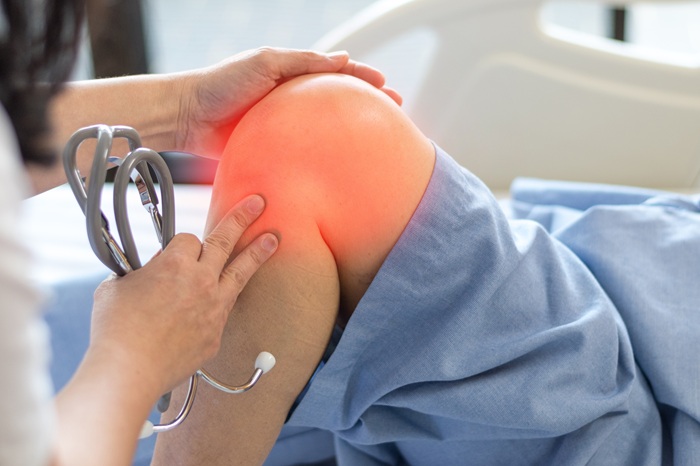
Although mild bursitis often improves with rest and home care, medical attention is necessary if you notice severe pain, spreading redness, or fever. Persistent swelling that does not resolve after two weeks, or rapidly worsening symptoms, warrants a professional evaluation. Seeking timely care ensures accurate diagnosis and faster recovery, preventing chronic inflammation that could limit mobility long‑term.
Preventing Future Episodes
Once the knee heals, prevention becomes the priority. Practical habits can make a lasting difference:
- Warm up before exercising and stretch afterward.
- Avoid spending long periods kneeling or squatting.
Use supportive shoes that cushion impact. - Strengthen thigh and hip muscles to stabilize knee movement.
- Rest when discomfort appears rather than pushing through pain.
- These steps encourage long‑term knee health and reduce the risk of recurring bursitis, helping you maintain an active, pain‑free lifestyle.
Frequently Asked Questions
1. How long does knee bursitis take to heal?
Most cases improve within two to six weeks with proper rest and treatment. Chronic or infected bursitis may take longer, depending on the cause and overall health of the individual.
2. Can I exercise with knee bursitis?
Low‑impact activities such as swimming or cycling are generally safe once acute swelling has subsided. However, avoid any movement that causes pain or direct pressure until cleared by a healthcare provider.
3. How do I know if my bursitis is infected?
Signs include increased warmth, redness spreading around the knee, drainage or pus, and fever. Seek prompt medical care if these appear.
4. Will knee bursitis come back after treatment?
It can recur if the original cause—such as repetitive kneeling or overuse—is not addressed. Following preventive advice and strengthening supportive muscles significantly lowers recurrence risk.
5. Are injections or surgery safe for treating bursitis?
Corticosteroid injections are safe when performed by a qualified clinician and often provide quick inflammation relief. Surgery is rarely needed and reserved for chronic, infected, or recurrent cases that do not respond to other therapies.
Take Charge of Your Knee Health
If knee pain or swelling is slowing you down, there’s no need to guess what’s wrong or struggle through discomfort. Early evaluation can simplify treatment and speed up recovery. Schedule an appointment with a qualified healthcare professional or physical therapist to discuss your symptoms and create a personalized care plan. Taking that step now can help restore mobility, protect your knees, and keep you active for years to come.