
Chondromalacia Patella

Softening of Cartilage Explained
It started as a dull ache after a weekend run. For Jake, a 22-year-old soccer player, the pain beneath his kneecap soon became a regular visitor, even when walking up stairs. Meanwhile, Linda, a 58-year-old grandmother, noticed her knees creaking whenever she rose from her chair. Both were experiencing the same underlying issue—chondromalacia patella, the softening and breakdown of cartilage beneath the kneecap.
This condition, often called runner’s knee, affects people differently depending on age and lifestyle. But the story of knee health is one that connects all generations through movement, wear, and care.
A Journey Inside Runner's Knee
The knee is a remarkable joint where bone, cartilage, muscle, and tendon work in harmony. Cartilage acts like a cushion that allows the kneecap (patella) to glide smoothly over the femur. When that cushion softens or wears down, friction increases, leading to pain, swelling, and grinding sensations. In younger people, it’s often caused by alignment or overuse. In athletes, repetitive stress and training intensity accelerate damage. For older adults, arthritis and years of joint wear weaken the cartilage.
Whether from sprinting, sitting too long, or simply aging, chondromalacia patella tells a story about how we move—and sometimes, how we need to slow down to heal.
Symptoms That Speak Louder Than Pain
The early signs of chondromalacia are subtle: a crackling noise under the kneecap, tenderness after activity, or discomfort when squatting. As the condition progresses, pain may persist during daily movements like climbing stairs or standing up.
Diagnosis usually involves a physical exam, imaging like MRI, or specialized tests that track knee alignment and pressure points. Early detection makes recovery faster and less invasive.
Treatment and Healing Paths
The treatment path begins with identifying the cause. For many, conservative care brings strong results:
- Physical therapy to rebuild muscle balance and joint control
- Ice therapy and anti-inflammatory medications for pain relief
- Taping or bracing techniques for patella stabilization
- Exercise modification such as switching from running to cycling or swimming
- Injections provide lubrication, reducing inflammation, or stimulating cartilage repair.
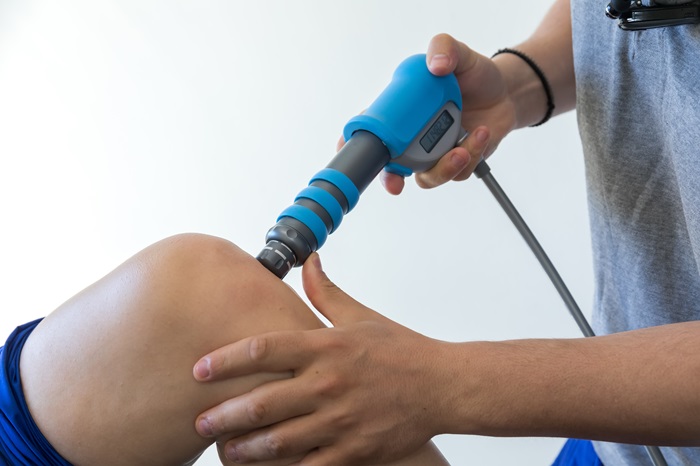
- Shockwave therapy uses acoustic waves to stimulate the body’s natural healing response, reduce inflammation, and promote cartilage regeneration.
- In advanced cases, minimally invasive procedures like arthroscopy may be considered to clean rough cartilage or realign the kneecap.
Strengthening and Prevention Strategies
Rehabilitation emphasizes strengthening the quadriceps, hamstrings, and hip stabilizers. Stretching and mobility routines restore flexibility, while balance training helps prevent recurrence.
For young adults, proper biomechanics and gradual training increases matter most. Athletes should focus on cross-training and recovery days. Older adults can benefit from low-impact workouts like walking in water or using resistance bands.
Living Forward with Strong Knees
Recovery from chondromalacia patella requires patience and commitment. Many return to normal activity within weeks or months, but the key lies in maintaining joint-friendly habits—controlled exercise, supportive footwear, and mindful movement.
Knee health is a lifelong journey, one that begins every time we take a step with awareness.
Frequently Asked Questions
1. What causes chondromalacia patella in young people?
It is commonly caused by muscle imbalances, rapid growth, poor knee alignment, or repetitive impact activities.
2. How do athletes prevent cartilage wear in the knees?
Athletes should prioritize strength training, flexibility exercises, and rest cycles to reduce overuse and joint stress.
3. Is chondromalacia patella the same as arthritis?
No, but they share similarities. Chondromalacia is early cartilage damage, while arthritis involves broader joint degeneration.
4. Can I still exercise with chondromalacia patella?
Yes. Low-impact exercises such as swimming, cycling, or elliptical workouts are often recommended once pain is managed.
5. When should I see a doctor about knee pain?
Seek medical evaluation if knee pain persists for more than two weeks, affects daily movement, or worsens despite rest.
Take Charge of Your Knee Health
Don’t let knee pain hold you back from the activities you love. If you experience persistent discomfort around your kneecap, schedule an appointment with a physical therapist or orthopedic specialist today. Early diagnosis and targeted treatment can keep your cartilage healthy and your movement pain-free.
Take the first step toward restoring strength, flexibility, and confidence with every stride.