
ACL Injury
Comprehensive Guide & Relief Options
Anterior cruciate ligament (ACL) injuries are among the most common and debilitating knee injuries, particularly in athletes and active individuals. At Holistiq® Spine & Orthopaedic Clinic, we provide expert diagnosis, comprehensive treatment plans, and advanced rehabilitation programs designed to restore knee stability and function, helping patients regain an active lifestyle with lasting results.
Understanding ACL Injuries
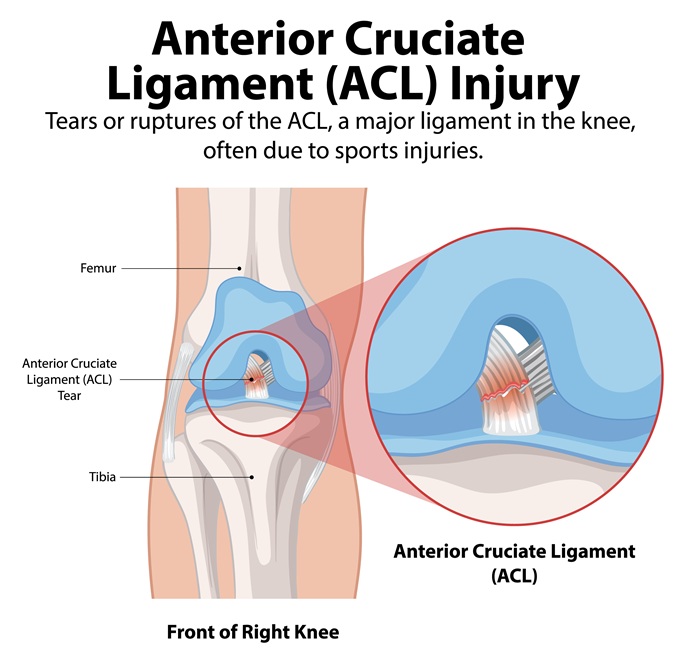
The anterior cruciate ligament is one of the key ligaments stabilizing your knee joint. It connects the thigh bone (femur) to the shin bone (tibia) and controls rotational stability and forward movement of the tibia. An ACL injury typically occurs due to sudden stops, twists, jumps, or direct impacts—often seen in sports like soccer, basketball, and skiing.
ACL injuries range from mild sprains to complete tears. A complete tear often requires intensive treatment for full recovery. Prompt and accurate diagnosis is crucial to avoiding long-term knee instability and preventing secondary damage to other knee structures such as the meniscus and cartilage.
Symptoms of an ACL Injury
Immediate and clear symptoms often follow an ACL injury, including:
- A loud “pop” or popping sensation in the knee at the time of injury
- Sudden severe pain preventing continued activity
- Rapid swelling within hours after injury
- Knee instability or feeling of the knee “giving way”
- Difficulty bearing weight or walking
- Limited range of motion and stiffness
- Sensation of looseness or instability during movements such as pivoting or turning
- Symptoms can vary depending on severity, and partial tears may cause less dramatic signs but still impair knee function.
Diagnostic Approach at Holistiq®
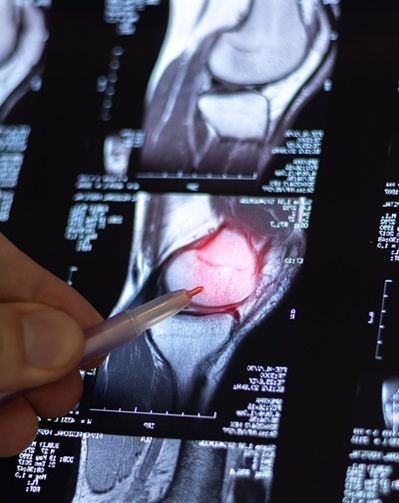
Our multidisciplinary team combines thorough clinical evaluation with advanced imaging to confirm an ACL injury’s diagnosis and severity.
- Detailed Health History: We explore the mechanism of injury, symptoms, prior knee issues, and impact on daily function and sports involvement.
- Physical Examination: Tests such as the Lachman test, pivot shift test, and anterior drawer test assess knee stability and ligament integrity.
- Diagnostic Imaging:
- Digital X-rays help rule out fractures or bone injuries.
- Magnetic Resonance Imaging (MRI) offers detailed visualization of the ACL, menisci, cartilage, and other soft tissues to determine tear extent and associated injuries.
- Ultrasound may assist in evaluating surrounding musculature and detecting swelling or fluid accumulation.
This precision allows for the creation of a personalized treatment strategy targeting recovery goals and preventing secondary damage.

Treatment Options for ACL Injuries
Treatment planning is individualized based on injury severity, patient activity level, and long-term goals.
Non-Surgical Management
For partial ACL tears or low-demand individuals, non-surgical care may suffice, including:
- Physical Therapy: Focuses on strengthening surrounding muscles (especially quadriceps and hamstrings), improving knee stability, and restoring functional movement.
- Bracing: Protective knee braces support stability during activities.
- Activity Modification: Temporary reduction or avoidance of high-impact sports or movements that stress the ACL.
- Pain and Inflammation Management: Medication and ice therapy reduce swelling and discomfort.
Non-surgical treatment requires commitment to an extensive rehabilitation program to promote knee stability and prevent further injury.
Surgical Reconstruction
Complete ACL tears often benefit from surgical reconstruction to restore knee function and prevent chronic instability or joint degeneration. Our orthopedic surgeons perform minimally invasive arthroscopic ACL reconstruction using grafts sourced from the patient’s tissue or donor material.
Surgery is typically followed by a structured physical therapy protocol extending for several months to regain strength, proprioception, and full range of motion. The timing of surgery and rehabilitation plans are carefully considered individually.
Holistiq® ACL Injury Recovery Program
Beyond diagnosis and surgical care, Holistiq® offers a comprehensive recovery program designed to optimize healing and return to activity safely:
Anti-Inflammatory Nutrition
Personalized plans support tissue healing and reduce inflammation.
Chiropractic and Manual Therapy
Improve joint alignment and function, decrease stiffness, and enhance recovery.
Shockwave Therapy
Supports healing of soft tissues and reduces residual pain.
Image-Guided Injections
Targeted therapies may be recommended in certain cases to reduce post-injury inflammation.
Progressive Rehabilitation
Customized exercise plans focusing on strength, balance, agility, and sport-specific functional training.
Movement Restoration
Retraining biomechanics to protect the knee during movements and reduce reinjury risk.
When Surgery May Be Necessary
Surgical intervention is generally advised in cases of:
- Complete ACL rupture causing knee instability
- Active lifestyles or athletes wanting to return to pivoting sports
- Associated injuries such as meniscus tears requiring repair
- Failed conservative management with persistent instability or dysfunction
Our clinic partners with experienced orthopedic surgeons to provide expert ACL reconstruction with seamless care coordination from diagnosis through rehabilitation.
Frequently Asked Questions
How long does it take to recover from an ACL injury?
Recovery timelines vary but often range between 6 to 12 months, depending on treatment type and patient goals. Commitment to rehabilitation significantly impacts outcomes.
Can I return to sports after an ACL tear?
Yes, many patients successfully return to previous activity levels post-reconstruction with proper rehab and conditioning. Non-surgical patients may have restrictions based on stability.
What are common complications after ACL injury?
If untreated or mismanaged, instability can lead to meniscal tears, cartilage damage, and early osteoarthritis.
How can I prevent ACL injuries?
Programs focusing on neuromuscular training, strength, and proper movement techniques significantly reduce ACL tear risks.
Are there new treatments for ACL recovery?
Regenerative medicine and biologic therapies like PRP are emerging adjuncts that may enhance healing, though more research is needed.
Why Choose Holistiq Spine & Orthopaedics
Don’t let an ACL injury sideline your life. Holistiq® Spine & Orthopaedic Clinic offers expert diagnosis, personalized treatment, and comprehensive rehabilitation designed to restore knee stability and function for every patient. Schedule a consultation today to start your journey back to strength and mobility.