
Iliopsoas Pain: Complete Guide to Causes, Symptoms, and Advanced Holistic Treatment
Hip Pain
- Hip Pain Overview
- Avascular Necrosis
- Bursitis
- Gluteal Tendinopathy
- Pain by Activity (Walking, Running, Sitting, Sleeping)
- Pain in Athletes
- Pain in Older Adults
- Pain by Location (Front, Side, Rear)
- Iliopsoas Pain
- Impingement Syndrome
- Labral Tear
- Osteoarthritis
- Pain After Hip Replacement
- Piriformis Syndrome
- Snapping Hip Syndrome
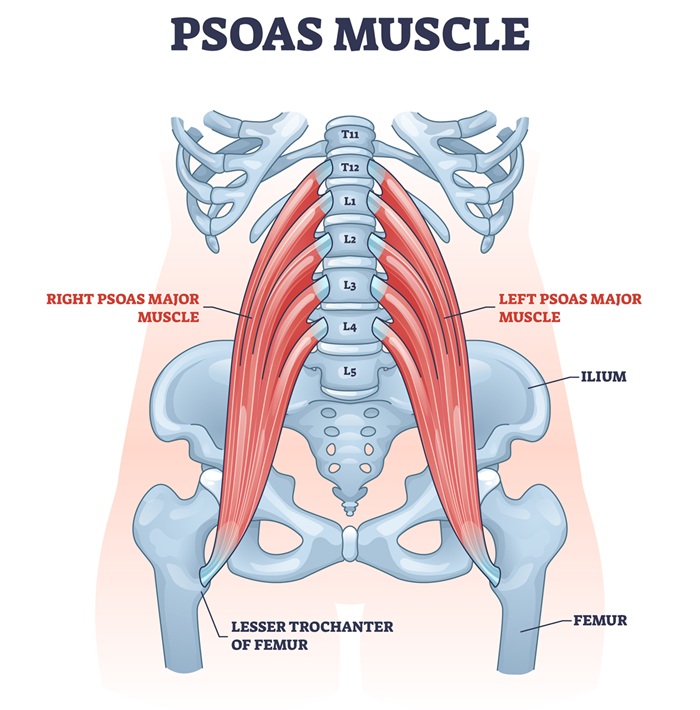
What is Iliopsoas Syndrome?
Iliopsoas syndrome refers to irritation, inflammation, or strain of the iliopsoas muscle group, a critical set of muscles responsible for hip flexion and stabilizing the lower back and pelvis. This condition is also known as iliopsoas tendonitis or snapping hip syndrome.
Common Causes of Iliopsoas Pain
The main causes include:
- Repetitive hip flexion from activities like running, dancing, cycling, or climbing stairs
- Athletic overuse, poor posture, or pelvic misalignment
- Acute injuries and trauma
- Post-surgical irritation after hip replacement
- Underlying arthritis or inflammatory joint disease
Symptoms of Iliopsoas Syndrome
Typical symptoms are:
- Deep, aching pain in the anterior hip or groin
- A snapping/clicking sensation with hip movement
- Pain worsened by walking, standing, rising from sitting, or climbing stairs
- Stiffness, muscle weakness, or catching during movement
How We Diagnose Psoas Syndrome
Clinical Evaluation: A diagnosis begins with a detailed physical exam, including palpation of the hip and groin, tests for strength, range of motion, and special maneuvers (Ely, Ludloff, and psoas signs). Physicians also assess posture, gait, and functional tests like the snapping hip or HEC test to elicit symptoms.
Imaging: Options include:
- Ultrasound: Dynamic assessment of the tendon/bursa, detection of inflammation, and real-time visualization during movement
- MRI: High-resolution imaging to assess tendon, muscle, and bursal pathology
- X-rays: Rule out bone injuries or arthritis when indicated
Neurodiagnostics: When nerve symptoms are suspected, electrodiagnostic studies (EMG, nerve conduction) differentiate iliopsoas pain from neuropathies and other sources of leg or groin pain.


Non-Surgical Treatments
- Rest and activity modification: Avoid triggers and overuse
- Ice and anti-inflammatory medications: Reduce acute swelling and pain
- Physical therapy: Targeted stretching and strengthening, posture retraining, and manual therapy
- Ultrasound-guided corticosteroid injections: For persistent inflammation
- Assistive devices: Temporary support (cane/crutch)
- Nutritional support: Anti-inflammatory diet guidance
Holistiq Spine & Orthopaedic’s Recovery Plan
Functional & Anti-inflammatory Nutrition
Nutritional guidance includes omega-3-rich fish, colorful fruits/vegetables, olive oil, whole grains, and anti-inflammatory herbs while minimizing processed foods, unhealthy fats, and refined sugars.
Shockwave Therapy
Shockwave therapy is a non-invasive treatment that uses acoustic waves to promote healing, reduce pain, and increase blood flow in chronically irritated tendons and soft tissues.
Peripheral Magnetic Stimulation (PMS)
This modality applies focused magnetic fields to stimulate healing, reduce pain, and improve neuromuscular activation in the hip, serving as an adjunct to standard rehabilitation.
Chiropractic & Manual Therapy
Holistiq’s chiropractors provide gentle adjustments, soft tissue release, and functional movement training to restore balance, reduce tension, and promote optimal hip mechanics.
Image-Guided Injections
Minimally invasive options include fluoroscopy-guided injections, dry needling, and in rare cases, needle tenotomy or aspiration for persistent bursal fluid.
Brain-Body Optimization
Holistiq integrates transcranial magnetic stimulation (TMS) to re-pattern pain responses and synergize physical and neurological recovery for optimal outcomes.
Movement Restoration & Rehab
Individualized plans focus on:
- Progressive flexibility and hip/core strengthening
- Functional retraining and movement correction
- Return-to-sport or activity guidance to prevent recurrence
When to Consider Surgery
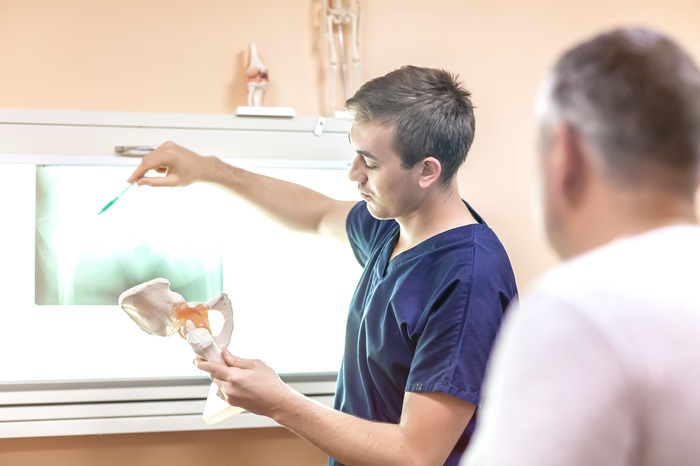
Surgery is a last resort, recommended only for persistent pain unresponsive to all conservative and procedural therapies. Procedures may include tendon release or arthroscopic correction of underlying hip impingement.
Psoas Syndrome FAQs
What is iliopsoas syndrome?
A disorder involving inflammation or dysfunction of the iliopsoas muscle/tendon, often presenting as groin or hip pain with movement.
What causes iliopsoas pain?
Commonly due to overuse, trauma, poor posture, athletic activities, or post-surgical irritation.
How is iliopsoas pain diagnosed?
Through clinical evaluation, special hip tests, and imaging such as ultrasound or MRI.
Can iliopsoas pain mimic other conditions?
Yes, it can be mistaken for hernias, hip arthritis, or nerve pain; advanced diagnostics clarify the source.
How long does it take to heal?
Most cases recover within weeks with conservative treatment, but chronic or severe cases may take longer.
When should I seek medical care?
If pain is persistent, limits activity, or is accompanied by weakness or neurological symptoms.
Are injections safe and effective?
Ultrasound-guided injections are safe when done appropriately, providing temporary relief.
Is surgery needed for iliopsoas pain?
Almost never–most people recover fully with non-surgical methods.
Why Choose Holistiq for Hip Tendon Care
Holistiq Spine & Orthopaedics delivers comprehensive, results-driven care by blending advanced medical treatment, holistic approaches, and personalized rehabilitation. From state-of-the-art diagnostics to brain-body optimization and nutrition, Holistiq empowers every patient to recover stronger.
Final Thoughts
Take the next step toward lasting relief. Contact Holistiq Spine & Orthopaedics today for a thorough evaluation and a custom treatment plan, all under one roof—so you can return to living and moving with confidence.
Let us help to restore your quality of life. Book a personalized evaluation today.
Where Does It Hurt? We Can Help.






Hip Pain
- Hip Pain Overview
- Avascular Necrosis
- Bursitis
- Gluteal Tendinopathy
- Pain by Activity (Walking, Running, Sitting, Sleeping)
- Pain in Athletes
- Pain in Older Adults
- Pain by Location (Front, Side, Rear)
- Iliopsoas Pain
- Impingement Syndrome
- Labral Tear
- Osteoarthritis
- Pain After Hip Replacement
- Piriformis Syndrome
- Snapping Hip Syndrome