
Diagnosing Snapping Hip Syndrome: A Holistic Approach
Hip Pain
- Hip Pain Overview
- Avascular Necrosis
- Bursitis
- Gluteal Tendinopathy
- Pain by Activity (Walking, Running, Sitting, Sleeping)
- Pain in Athletes
- Pain in Older Adults
- Pain by Location (Front, Side, Rear)
- Iliopsoas Pain
- Impingement Syndrome
- Labral Tear
- Osteoarthritis
- Pain After Hip Replacement
- Piriformis Syndrome
- Snapping Hip Syndrome

What Is Snapping Hip Syndrome?
Snapping Hip Syndrome (also known as coxa saltans or dancer’s hip) is a condition where a person feels or hears a snapping, clicking, or popping sensation in the hip joint during movement, such as walking, rising from a chair, or swinging the leg. The snapping is commonly painless, but it can lead to discomfort, pain, or even bursitis in some cases.
What Causes Snapping Hip Syndrome?
- Overuse or repetitive hip movement in dancers, runners, and athletes
- Tightness or thickening of the iliotibial (IT) band snapping over bony parts of the hip
- Iliopsoas tendon catching at the front of the hip (internal snapping)
- Bone structure/anatomical variations or loose bodies/joint debris
- Sudden increases in activity or trauma
- Muscular imbalances, growth spurts, and inadequate warm-up
Recognizing Symptoms: Clicking, Pain & Instability
- Audible or palpable snapping, clicking, or popping when moving the hip
- “Clunk” sensation or visible subluxation
- Pain or discomfort with activity, especially in repetitive movements
- Hip weakness, reduced range of motion, swelling, or sensations of instability
- Pain may worsen after activity or when lying on the affected side
Diagnosing Snapping Hip Syndrome: A Holistic Approach
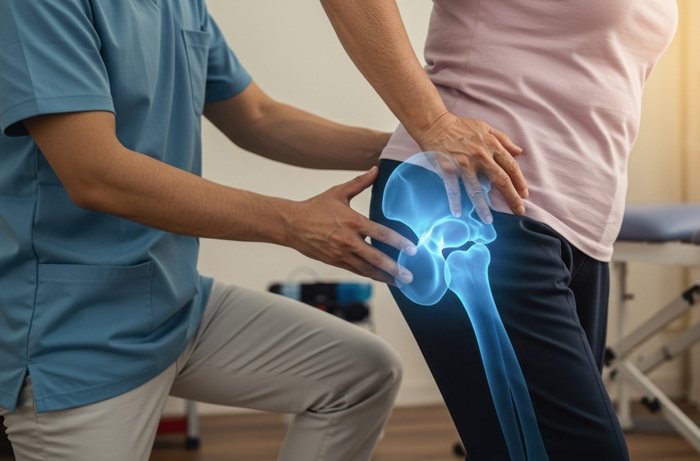
Clinical Evaluation: A physical exam starts with detailed history and reproduction of the snapping during hip movement. Tests like the Ober test (for IT band), hip flexion-extension maneuvers, and palpation help locate whether internal or external structures are responsible.
Imaging
- Ultrasound: Reveals movement of tendons over the hip in real time
- MRI/CT: Assesses tendon, cartilage, bursae, and detects loose bodies or labral tears
- X-rays: Exclude bone abnormalities or arthritis
- Imaging helps target treatment and rule out underlying joint pathology

Non-Surgical Treatment Options
- Activity modification to reduce repetitive stress
- Physical therapy: targeted stretching (iliotibial band, hip flexors), strengthening, and movement retraining
- NSAIDs and intermittent ice for pain or swelling
- Addressing biomechanics and posture errors
- Corticosteroid injection for secondary bursitis
- Shoe orthotics for leg length or alignment issues
- Most patients improve significantly with comprehensive conservative management.
Holistiq Spine & Orthopaedic’s Recovery Plan
Anti-Inflammatory Nutrition Counseling
Holistiq’s experts tailor nutrition using anti-inflammatory foods (omega-3-rich fish, leafy greens, berries, and turmeric), while minimizing processed foods and sugars, to support tendon and joint recovery.
Shockwave Therapy
Focused shockwave therapy uses sound waves to target tendons and soft tissues, stimulating healing, reducing local inflammation, and breaking up tight adhesions.
Peripheral Magnetic Stimulation
Non-invasive magnetic stimulation enhances neuromuscular recruitment, reduces pain, and aids hip muscle recovery.
Chiropractic Therapy
Holistiq chiropractors address pelvic and spinal alignment, release soft tissue adhesions, and support balanced muscle engagement.
Procedures
- Fluoroscopy-guided injections for resistant bursitis or tendon pain
- Minimally invasive removal of loose bodies/joint debris in rare, persistent case
- Regenerative injections (PRP) for chronic tendon irritation
Brain-Body Optimization (Including TMS Therapy)
Brain-body integration—including transcranial magnetic stimulation (TMS)—helps reset chronic pain pathways, optimize mind-body communication, and speed neuromuscular recovery.
Rehabilitation & Reconditioning
- A progressive, personalized rehab program focusing on
- Restoring hip flexibility and strength
- Core stabilization
- Gait retraining, activity modification, and safe return-to-sport or performance

When Is Surgery Needed?
Surgery is a last resort, reserved for cases with persistent symptoms despite six months of holistic care, or when imaging reveals loose bodies, severe labral tears, or significant structural abnormalities.
Snapping Hip Syndrome Questions Answered
Can snapping hip syndrome be cured without surgery?
Most cases resolve with comprehensive, conservative care that addresses muscle balance, flexibility, and activity modification.
Is snapping hip syndrome dangerous?
While usually benign, untreated or painful forms may lead to chronic bursitis, weakness, or impairment.
What exercises help with snapping hip?
Targeted stretches (IT band, hip flexors) and gradual strengthening of the hip and core.
Can diet help snapping hip syndrome?
Yes, anti-inflammatory diets promote healing and reduce chronic tendon irritation.
How is the condition diagnosed?
Clinical exam, real-time ultrasound, and MRI for detailed tendon or labral evaluation.
Should I avoid exercise if I feel snapping?
Avoid painful, repetitive movements but gently keep active with modified, guided routines.
Who is most at risk?
Dancers, athletes, young people after growth spurts, and those with tight muscles or poor technique.
Why choose Holistiq for snapping hip syndrome?
Holistiq offers integrated, expert-guided care—including diagnostics, advanced therapy, and whole-person rehab.
Why Choose Holistiq Spine & Orthopaedics
Holistiq Spine & Orthopaedics delivers specialized, integrative care for snapping hip syndrome, combining advanced diagnostics, modern procedures, holistic therapies, and personalized rehabilitation for comprehensive, sustainable relief.
Ready for Relief? Take the First Step Toward Hip Health
Get personalized, lasting relief for snapping hip syndrome with Holistiq’s integrative approach. Book an evaluation now—let your journey to smooth, pain-free movement begin.
Let us help to restore your quality of life. Book a personalized evaluation today.






Hip Pain
- Hip Pain Overview
- Avascular Necrosis
- Bursitis
- Gluteal Tendinopathy
- Pain by Activity (Walking, Running, Sitting, Sleeping)
- Pain in Athletes
- Pain in Older Adults
- Pain by Location (Front, Side, Rear)
- Iliopsoas Pain
- Impingement Syndrome
- Labral Tear
- Osteoarthritis
- Pain After Hip Replacement
- Piriformis Syndrome
- Snapping Hip Syndrome