
Gluteal Tendinopathy: Expert Diagnosis, Relief Strategies & Lasting Recovery
Hip Pain
- Hip Pain Overview
- Avascular Necrosis
- Bursitis
- Gluteal Tendinopathy
- Pain by Activity (Walking, Running, Sitting, Sleeping)
- Pain in Athletes
- Pain in Older Adults
- Pain by Location (Front, Side, Rear)
- Iliopsoas Pain
- Impingement Syndrome
- Labral Tear
- Osteoarthritis
- Pain After Hip Replacement
- Piriformis Syndrome
- Snapping Hip Syndrome

What Is Gluteal Tendinopathy? Causes, Risk Factors & Prevalence
Gluteal tendinopathy refers to damage and degeneration of the gluteus medius and minimus tendons at the side of the hip, often causing significant lateral hip pain, weakness, and impaired daily movement. This common condition, sometimes called greater trochanteric pain syndrome, frequently affects runners, women, people with hip osteoarthritis, and those with repetitive loading or compression of the hip tendons.
Common Causes of the Condition
- Overuse or repetitive strain—common in running, stair climbing, or lunge-heavy activities
- Weakness or fatigue of the gluteal muscles, leading to poor stability
- Sudden increase in activity or excessive hip movement (especially inward/outward rotation)
- Biomechanical issues: leg length discrepancy, altered gait, or abnormal hip posture
- Obesity, hormonal changes, diabetes, high cholesterol, genetic factors
- Direct trauma, such as a fall onto the side of the hip
Recognizing Symptoms: When Hip Pain Signals Gluteal Tendon Injury
- Pain and tenderness on the outside of the hip, directly over the greater trochanter (bony prominence)
- Pain radiating down the outer thigh, sometimes to the knee
- Worsens when lying on the affected side, single-leg standing, walking up stairs or hills, or sitting in low chairs
- Sharp, snapping, or burning pain; “giving way” feeling during weight-bearing tasks
- Occasional stiffness, reduced range of movement, and limp
Step-by-Step Diagnosis: Evaluation, Imaging & Advanced Techniques
Clinical Evaluation: Diagnosis starts with a thorough medical history and targeted exam, including:
- Palpating the outer hip for tenderness over the greater trochanter
- Reproducing pain during specific maneuvers (single-leg stance, resisted hip abduction, FADER and ADD tests)
- Assessing gait, movement, muscle strength, and identifying compensatory habits
- Rule out other conditions like bursitis, hip arthritis, or lumbar spine pathology
Imaging
- Ultrasound: Detects tendon thickening, tears, or fluid around the tendons; highly sensitive in skilled hands
- MRI: Gold standard for viewing tendon degeneration, partial or full-thickness tears, and surrounding structures
- X-rays: Useful to rule out bone abnormalities but provide limited info on soft tissues
- Scintigraphy or CT reserved for complex cases

Leading Non-Surgical Treatments for Gluteal Tendinopathy
- Load management: Adjust activity levels; avoid aggravating positions and excessive rest
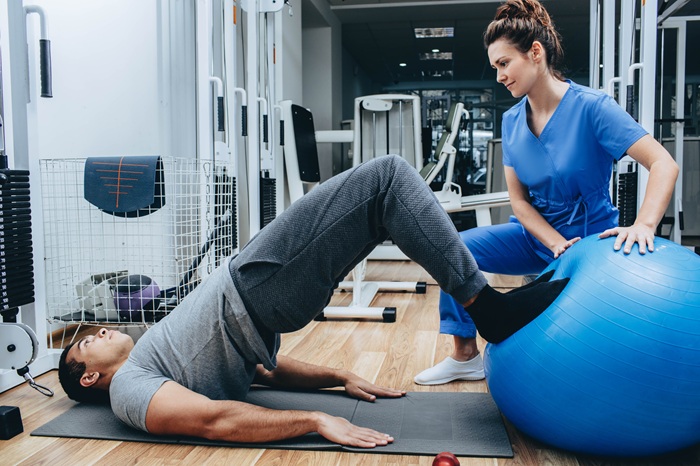
- Physical therapy: Gluteal strengthening, stretching, and progressive tendon rehab for optimal healing and prevention of recurrence
- NSAIDs or acetaminophen: Short-term relief
- Heat/ice therapy: Eases pain and swelling, alternated as needed
- Movement modification: Change sitting, standing, or sleeping positions to reduce tendon compression
- Pillow support: Between knees at night for comfort
Many patients experience improved function and pain within 8-12 weeks of structured therapy
The Holistiq Approach: Integrative Recovery & Individualized Care
Nutrition for Healing: Anti-Inflammatory Strategies Backed by Science
- Nutrition plans emphasizing anti-inflammatory foods (fatty fish, leafy greens, berries, nuts, seeds, olive oil, turmeric, ginger) to support tissue healing and reduce systemic inflammation
- Guidance on reducing processed foods, excess sugars, and saturated fats to lower chronic inflammation
How Shockwave Therapies to Speed Gluteal Healing
- Shockwave therapy boosts healing, stimulates bone remodeling, and reduces pain by sending acoustic waves to the affected bone and joint tissue, offering non-invasive support for early and mid-stage AVN
- Most effective with 4–6 weekly sessions
Peripheral Magnetic Stimulation (PMS)
- Targeted magnetic fields are used to reduce pain, stimulate neuromuscular repair, and enhance gluteal muscle activation
- Beneficial as a non-invasive adjunct, especially when muscular atrophy or poor gluteal muscle recruitment is present
Chiropractic & Rehab: Optimizing Movement for Full Hip Function
- Gentle adjustments and soft tissue techniques relieve compensatory pain, improve pelvic alignment, and correct gait or postural contributors to gluteal overload
Procedures
- Fluoroscopy-guided corticosteroid or PRP injections for persistent pain
- Surgery (gluteal tendon repair) is rarely needed, reserved for full-thickness tears or refractory cases
Brain-Body Optimization (Including TMS Therapy)
Transcranial magnetic stimulation (TMS) helps recalibrate pain pathways, improve neuroplasticity, and support comprehensive recovery for chronic cases
Rehabilitation & Reconditioning
- Individualized, progressive rehab focused on gluteal and hip strengthening, flexibility, and restoring normal movement patterns
- Ergonomic, activity, and return-to-sport coaching to prevent recurrence

When Does Surgery Become Necessary?
Surgery for gluteal tendonitis is generally reserved for those rare cases where symptoms are severe, persistent, and have not improved after at least 6 months of dedicated non-surgical treatment—including physical therapy, activity modification, and injections. Surgical intervention aims to restore tendon structure and hip stability, resulting in substantial pain relief and improved mobility for most appropriately selected patients.
Your Gluteal Tendinopathy Questions Answered
What causes gluteal tendinopathy?
Overuse, muscle weakness, sudden activity increases, trauma, or poor movement patterns.
What are typical symptoms?
Lateral hip pain, tenderness, pain with movement or lying on the side, and reduced hip movement.
How is it diagnosed?
Clinical exam, pain tests, and imaging (ultrasound/MRI) confirm the diagnosis.
How long does recovery take?
Many improve in 8–12 weeks, but chronic or severe cases may take longer.
Is exercise safe with gluteal tendinopathy?
Yes—targeted strengthening and load management are essential for healing.
Can my pain improve without injections or surgery?
Most cases respond to physiotherapy, shockwave, and holistic care.
Does diet matter for tendon health?
An anti-inflammatory diet can help promote healing and lower chronic pain.
When is surgery necessary?
Only after sustained failure of comprehensive non-surgical management and/or confirmed tendon rupture.
Why Choose Holistiq for Hip Tendon Care
Holistiq Spine & Orthopaedics provides advanced diagnostics, innovative therapies, and holistic, stepwise rehab in a caring, patient-first environment—ensuring full recovery from gluteal tendinopathy and rapid return to active living.
Ready for Relief? Take the First Step Toward Hip Health
Reclaim comfort, confidence, and movement. Schedule your Holistiq evaluation for gluteal tendinopathy recovery today—discover comprehensive care and personalized solutions from diagnosis to full rehabilitation!
Let us help to restore your quality of life. Book a personalized evaluation today.
Where Does It Hurt? We Can Help.






Hip Pain
- Hip Pain Overview
- Avascular Necrosis
- Bursitis
- Gluteal Tendinopathy
- Pain by Activity (Walking, Running, Sitting, Sleeping)
- Pain in Athletes
- Pain in Older Adults
- Pain by Location (Front, Side, Rear)
- Iliopsoas Pain
- Impingement Syndrome
- Labral Tear
- Osteoarthritis
- Pain After Hip Replacement
- Piriformis Syndrome
- Snapping Hip Syndrome