
Pain After Hip Replacement Surgery: Causes, Symptoms, and Lasting Relief
Hip Pain
- Hip Pain Overview
- Avascular Necrosis
- Bursitis
- Gluteal Tendinopathy
- Pain by Activity (Walking, Running, Sitting, Sleeping)
- Pain in Athletes
- Pain in Older Adults
- Pain by Location (Front, Side, Rear)
- Iliopsoas Pain
- Impingement Syndrome
- Labral Tear
- Osteoarthritis
- Pain After Hip Replacement
- Piriformis Syndrome
- Snapping Hip Syndrome

About Pain After Hip Replacement
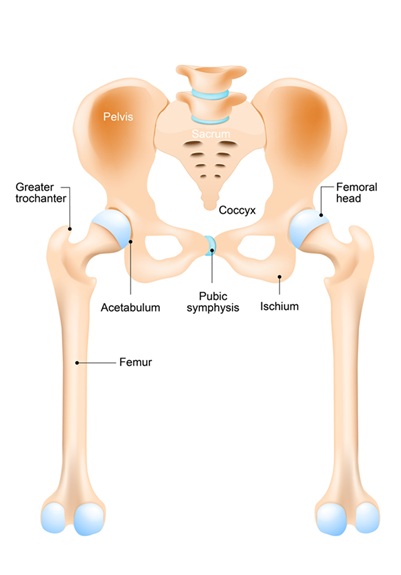
Pain after hip replacement surgery is a significant concern for some patients, occurring either soon after the operation or developing months or even years later. While many individuals experience reduced pain and greater mobility, persistent or new hip pain can signal several underlying issues, such as implant loosening, infection, tendonitis, bursitis, nerve injury, muscle or soft tissue irritation, abnormal bone formation, or complications like instability and component malposition. Pain may also be referred from the spine or result from improper healing or trauma following the surgery.
Understanding the Causes of Persistent Hip Pain Post-Surgery
- Iliopsoas tendonitis or impingement from the implant or bone position
- Bursitis or local soft tissue inflammation
- Nerve damage from surgery or swelling
- Prosthesis issues such as loosening, dislocation, or improper placement
- Infection around the joint
- Referred pain from the spine, hernia, or other body regions
- Scar tissue and post-surgical inflammation
Symptoms of Post-Operative Hip Pain
- Persistent or new pain in the groin, thigh, or buttocks
- Pain with hip flexion (e.g., climbing stairs, getting in/out of car)
- Clicking, catching, or instability
- Limping, weakness, or stiffness
- Swelling, redness, or warmth in the hip region
Diagnosing Hip Pain: Evaluation, Imaging, and Neurodiagnostics
Clinical Evaluation: A careful history and examination are performed, including:
- Palpation of hip muscles/tendons and prosthesis location
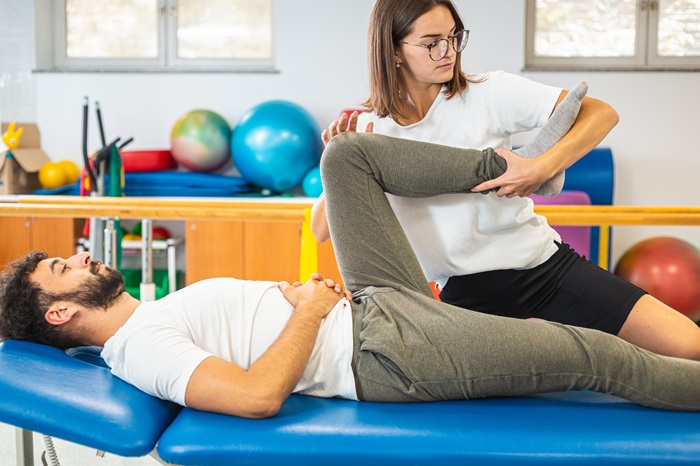
- Range-of-motion and strength tests
- Functional maneuvers (resisted hip flexion for iliopsoas syndrome; evaluation for bursitis, instability, or nerve deficits)
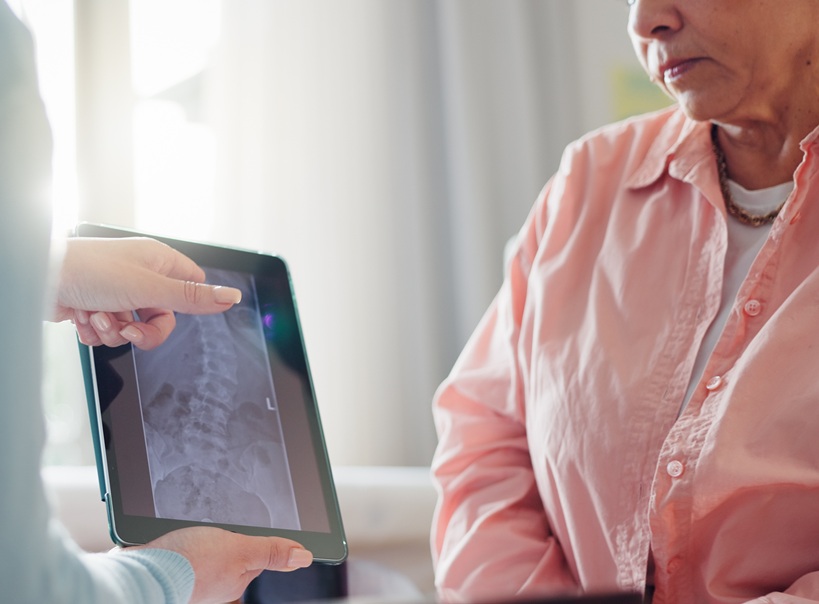
Imaging: X-rays: Evaluate implant position, bone healing, and prosthesis stability
- MRI or CT scans: Identify soft tissue issues (tendonitis, bursitis, muscle atrophy), prosthetic complications, or scar tissue
- Ultrasound: Examine for fluid collections, bursitis, and guide injections
- Bone scan: Assess for infection or loosening
Neurodiagnostics:
- EMG/Nerve conduction studies: Used if nerve injury, neuropathy, or radiculopathy is suspected
- Intraoperative and postoperative neuromonitoring can identify early nerve issues and optimize patient outcomes
Non-Surgical Treatments
- Rest and activity modification
- Physical therapy focusing on flexibility, strength, and gait retraining
- NSAIDs or acetaminophen for pain and inflammation
- Corticosteroid or local anesthetic injections for persistent tendonitis or bursitis
- Assistive devices if needed during acute flare-ups
Holistic and Innovative Treatments for Post-Operative Hip Pain
Anti-Inflammatory Nutrition Counseling
A customized plan emphasizes:
- Omega-3-rich fish and flaxseed
- Leafy greens, berries, nuts, and seeds
- Spices like turmeric and ginger
- Minimizing processed food and sugars to reduce systemic inflammation and support healing
Shockwave Therapy
Modern shockwave devices target persistent pain areas, enhancing tissue regeneration and blood flow to support healing for tendonitis, bursitis, or muscle pain.
Peripheral Magnetic Stimulation (PMS)
Targeted magnetic therapy is non-invasive, boosting cellular healing and reducing pain in stubborn post-surgical soft tissue problems.
Chiropractic & Manual Therapy
Specialized providers use gentle adjustments and soft tissue release to alleviate compensatory pain, optimize joint function, and address mechanical contributors to persistent discomfort.
Image-Guided Injections
- X-ray guided corticosteroid or anesthetic injections for tendon or bursa pain
- Minimally invasive aspiration or arthrocentesis for fluid build-up or inflammation
- Rarely, neuromodulation or advanced regenerative procedures as adjuncts
Brain-Body Optimization
Transcranial magnetic stimulation (TMS) and other neuromodulatory techniques help recalibrate pain pathways, improve neuromuscular function, and accelerate holistic healing—especially valuable for chronic or neuropathic pain.
Movement Restoration & Rehab
- Personalized physical therapy: stretching, strengthening, balance, and return-to-activity training
- Functional retraining for gait, stairs, and sports or daily activities
- Ongoing assessment to prevent recurrence and maximize independence
When to Consider Surgery
Repeat surgery is only considered when pain is severe, persistent, and clearly linked to mechanical problems (implant loosening, malposition, infection) unresponsive to comprehensive non-surgical approaches.
FAQs
What causes hip pain after replacement surgery?
Causes range from tendonitis/impingement and bursitis to nerve injury, prosthesis loosening, infection, and referred pain.
Is iliopsoas syndrome common after hip surgery?
Yes—iliopsoas impingement or tendonitis is a notable cause of persistent groin pain after hip replacement.
What are the signs of prosthesis loosening or infection?
Persistent, worsening pain; swelling; warmth; and feeling of instability; imaging and lab tests confirm the diagnosis.
How long should pain last after hip replacement?
Most surgical pain resolves within months; persistent pain warrants expert evaluation and treatment.
What tests are done for post-op hip pain?
Clinical assessment, X-rays, MRI, and sometimes nerve studies or lab tests are used to evaluate the pain source.
Can non-surgical treatment help chronic pain?
Yes—most cases resolve with therapy, nutrition, targeted injections, and advanced therapies; surgery is rarely needed.
Why do some patients develop chronic pain?
Contributing factors may include muscle weakness, scar tissue, nerve injury, or complications from the implant—each needs careful assessment.
How does Holistiq approach hip pain that persists after surgery?
With comprehensive, holistic care that targets both physical and neurological contributors—aiming for complete restoration of movement, comfort, and function.
Why Choose Holistiq Spine & Orthopaedics
Holistiq Spine & Orthopaedics blends advanced diagnostics, integrative therapies, and personalized rehab to address all aspects of hip pain after replacement, supported by a compassionate and highly skilled team.
Ready to Get Back to Pain-Free Living?
If hip pain persists after surgery, don’t wait. Schedule a comprehensive evaluation at Holistiq Spine & Orthopaedics and let our multi-disciplinary team create a stepwise, personalized plan for real relief and a strong recovery. Take the next step—reach out today!
Let us help to restore your quality of life. Book a personalized evaluation today.






Hip Pain
- Hip Pain Overview
- Avascular Necrosis
- Bursitis
- Gluteal Tendinopathy
- Pain by Activity (Walking, Running, Sitting, Sleeping)
- Pain in Athletes
- Pain in Older Adults
- Pain by Location (Front, Side, Rear)
- Iliopsoas Pain
- Impingement Syndrome
- Labral Tear
- Osteoarthritis
- Pain After Hip Replacement
- Piriformis Syndrome
- Snapping Hip Syndrome