
PRP Injection for Knee Pain & Injuries
Natural Healing Without Surgery
Platelet-rich plasma (PRP) injections harness your body’s natural healing power to treat knee pain and injuries without surgery. This innovative therapy has helped over 1,100 patients at Mayo Clinic achieve lasting relief, with 60-70% experiencing at least 50% improvement in pain and function.
What Is PRP Therapy for Knees?
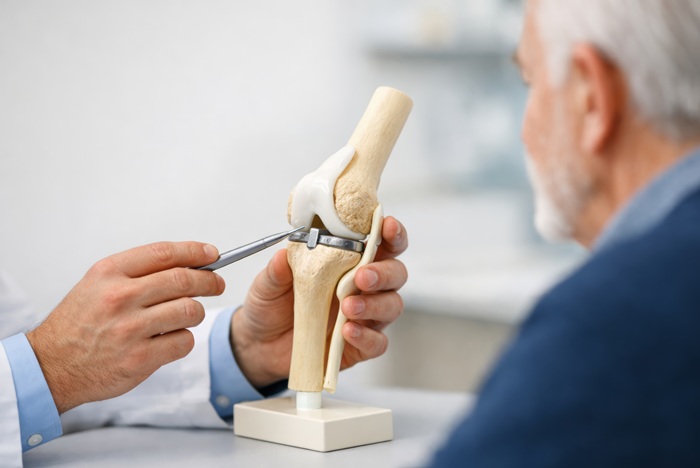
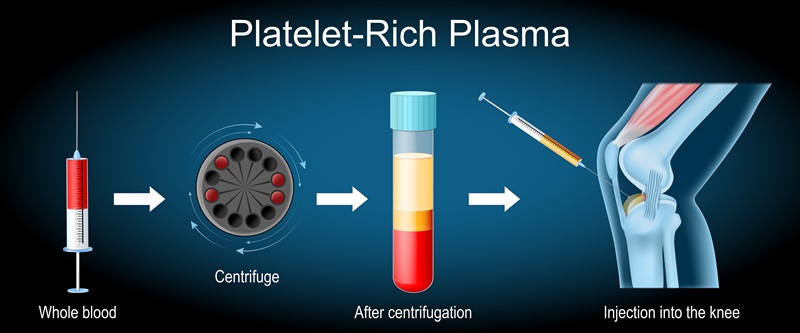
PRP therapy uses concentrated platelets from your own blood to accelerate healing in damaged knee tissues. The procedure involves drawing a small amount of your blood, processing it to concentrate the healing platelets, and injecting this powerful solution directly into your knee joint. These concentrated platelets release growth factors that stimulate tissue repair, reduce inflammation, and encourage new cell growth—targeting the root cause of your pain rather than masking symptoms.
Knee Conditions We Treat with PRP
Knee Osteoarthritis
PRP injections are highly effective for mild to moderate knee osteoarthritis, particularly in early stages. Patients experience significant pain reduction and improved function lasting 6-24 weeks, with younger patients and those with early-stage arthritis seeing the most dramatic results. Studies show an average reduction of 8.5 points in WOMAC pain scores at 6 and 12 months.
Chronic Tendon Injuries
- Conditions like jumper’s knee (patellar tendinitis) respond exceptionally well to PRP therapy. The treatment stimulates healing in these notoriously slow-recovering injuries, decreases pain, and enables faster return to normal activities.
Sports-Related Knee Injuries
Whether you’re an athlete or weekend warrior, PRP offers a non-surgical solution for acute sports injuries and chronic knee conditions. The therapy promotes natural healing while helping you avoid invasive procedures and lengthy recovery times.
Ligament Injuries
PRP accelerates healing in ligament injuries by delivering concentrated growth factors directly to damaged tissues. This approach helps restore stability and function to your knee joint.
The PRP Treatment Process: What to Expect
Step 1: Blood Collection
Your provider draws a small blood sample—similar to a routine blood test. The entire appointment takes 45-75 minutes from start to finish.
Step 2: Platelet Concentration
Your blood is processed in a specialized centrifuge for approximately 30 minutes to separate and concentrate the healing platelets. The optimal therapeutic dose contains 10 billion platelets, with a minimum effective dose of 4 billion platelets.
Step 3: Precise Injection
After cleaning and numbing the treatment area, your provider uses ultrasound guidance to inject the PRP precisely into the damaged tissue. This imaging ensures maximum effectiveness by delivering the healing solution exactly where it’s needed.
Treatment Protocol
While some patients experience significant relief after a single injection, most treatment protocols involve 2-3 injections spaced several weeks apart for optimal results. Each successive injection builds upon the previous treatment, progressively enhancing your body’s healing response.
Your Recovery Journey: Week by Week
Week 1: Initial Response Phase
Mild to moderate swelling, stiffness, and soreness are normal as your body responds to treatment. Pain typically peaks at 3-7 out of 10 and lasts 3-5 days. This inflammatory response signals that the platelets are actively recruiting healing cells. Rest and gentle range-of-motion exercises are recommended while avoiding NSAIDs that can interfere with healing.
Weeks 2-4: Early Relief Phase
Inflammation subsides and initial pain relief begins as your body enters the proliferative healing phase. Light activities like walking and cycling are appropriate during this period.
Weeks 4-8: Strengthening Phase
Pain relief typically lasts 6-12 months, with some studies documenting sustained improvements for up to 4 years. If you haven’t experienced relief by 2-3 months, additional treatment approaches may be recommended.
Months 3-6: Peak Results
Long-Term Benefits
Clinical Results You Can Expect
Proven Pain Relief
Clinical studies demonstrate that PRP provides meaningful functional improvement at 1, 3, 6, and 12 months with significant pain reduction at 3 and 6 months compared to placebo. Patients report greater ease performing daily activities, increased range of motion, and decreased need for pain medications.
Superior to Traditional Injections
PRP demonstrates superior long-term results compared to corticosteroid injections. While both treatments show comparable results at 3 months, PRP maintains benefits at 12+ months—lasting 6-12 months versus cortisone’s 6-12 weeks. Additionally, PRP promotes actual tissue regeneration through growth factor release, unlike steroids which only provide temporary symptom relief.
High Success Rates
Approximately 60-70% of patients experience at least 50% improvement in pain and function. Success rates are highest in patients with mild to moderate arthritis, younger age, and proper platelet concentration.
Exceptional Safety Profile
Over 1,100 patients have been treated at Mayo Clinic with no serious adverse events. Side effects are mild and short-lived, with infection risk less than 1%. Unlike corticosteroids, PRP causes no systemic side effects.
FAQs
How long does the PRP procedure take?
The complete procedure takes 45-75 minutes, including 30 minutes for blood processing and the injection itself.
Is PRP painful?
You may experience mild to moderate discomfort during injection, followed by soreness for 3-5 days. We numb the area before injection to minimize discomfort.
How many treatments will I need?
Most protocols involve 2-3 injections spaced several weeks apart, though some patients see significant improvement after a single treatment.
When will I notice improvement?
Initial relief typically begins at 2-4 weeks, with most patients noticing improvements within 6-12 weeks. Peak benefits usually occur around 3 months.
How long do results last?
Most patients enjoy 6-12 months of pain relief, with studies showing improvements maintained for up to 4 years in some cases.
Can I take ibuprofen or NSAIDs after treatment?
Ideal candidates have mild to moderate knee osteoarthritis, chronic tendon injuries, or sports-related knee injuries. Younger patients with early-stage arthritis typically experience the best results
What should I avoid after treatment?
Is PRP better than cortisone shots?
What are the risks?
Am I a good candidate for PRP?
Take the First Step Toward Pain-Free Movement
Don’t let knee pain keep you from the activities and lifestyle you love. At GoHolistiq, our experienced specialists use advanced PRP therapy to help you achieve lasting relief naturally—without surgery or long recovery times.
Where Does It Hurt? We Can Help.





Regenerative Medicine