
Regenerative Medicine for Knee Pain
Relieve Knee Pain Without Surgery
Knee pain can make even the simplest activities—walking, climbing stairs, or getting out of a chair—feel like a challenge. If you’ve been told that pain medication, injections, or surgery are your only options, it may be time to consider a different approach.
Regenerative medicine is changing the way knee pain is treated. Instead of masking symptoms or removing damaged tissue, these therapies work with your body to promote healing at the source of the problem. The goal is simple: reduce pain, restore function, and help you return to the activities you enjoy—without invasive procedures or long recovery times.
At our clinic, we specialize in advanced regenerative treatments including stem cell therapy, PRP (platelet-rich plasma), and shockwave therapy. Each treatment is designed to support your body’s natural healing processes and provide long-term relief.
What Is Stem Cell Therapy?
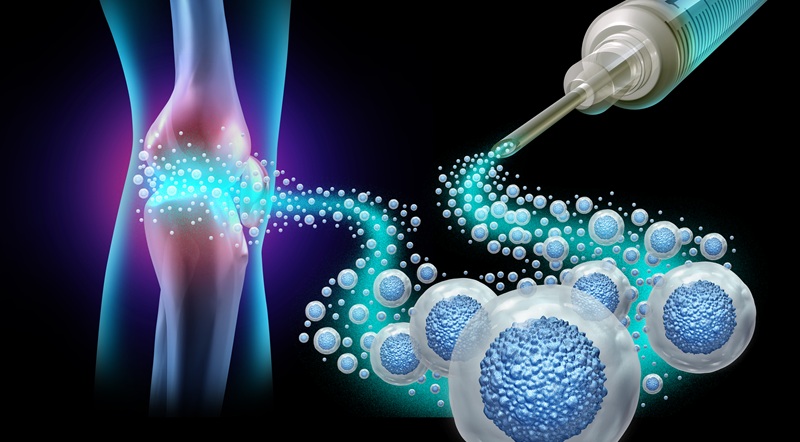
Regenerative medicine focuses on repairing and restoring damaged tissues using the body’s own biological tools. Unlike traditional treatments that often manage symptoms temporarily, regenerative therapies aim to improve the underlying condition of the joint.
These treatments stimulate healing by increasing blood flow, reducing inflammation, and encouraging tissue repair. For patients with knee pain, this can mean improved mobility, decreased stiffness, and a significant reduction in discomfort over time.
Regenerative medicine is especially appealing to patients who want to avoid surgery, reduce reliance on medications, or take a more natural approach to healing.
Our Advanced Knee Pain Treatments
We offer a range of regenerative therapies tailored to your specific condition, severity, and goals.
Stem Cell Therapy
Stem cell therapy uses specialized cells—often harvested from your own bone marrow or fat tissue—to help repair damaged areas in the knee. These cells have the unique ability to support tissue regeneration and reduce inflammation.
When injected into the knee joint, stem cells can help create an environment that encourages healing of cartilage, ligaments, and other structures. This makes stem cell therapy a strong option for patients with moderate arthritis, cartilage damage, or chronic degenerative conditions.
Many patients turn to stem cell therapy when they’ve tried other treatments without lasting success and want to avoid joint replacement surgery.
PRP (Platelet-Rich Plasma) Therapy
PRP therapy is one of the most widely used regenerative treatments for orthopedic conditions. It involves drawing a small amount of your blood, processing it to concentrate the platelets, and injecting that solution directly into the knee.
Platelets are rich in growth factors—proteins that play a key role in healing. By delivering a concentrated dose to the injured area, PRP can accelerate tissue repair, reduce inflammation, and improve joint function.
PRP is often recommended for:
- Early-stage osteoarthritis
- Tendon injuries
- Ligament sprains
- Mild to moderate knee pain
Because PRP uses your own blood, it is considered a safe and natural treatment option with minimal risk.
Because PRP uses your own blood, it is considered a safe and natural treatment option with minimal risk.
Shockwave Therapy
Shockwave therapy is a non-invasive treatment that uses acoustic waves to stimulate healing in damaged tissue. These waves increase blood circulation, activate cellular repair processes, and help break up chronic inflammation.
This therapy is particularly effective for patients with chronic tendon pain, stubborn injuries, or conditions that have not responded well to other treatments.
Shockwave therapy sessions are quick, require no injections, and involve little to no downtime. Many patients use it as a standalone treatment or in combination with PRP or stem cell therapy for enhanced results.
Conditions We Treat
Knee pain can result from a wide range of conditions, and regenerative medicine can address many of them. We commonly treat:
- Osteoarthritis, including early to moderate stages
- Meniscus tears
- ACL and MCL ligament injuries
- Patellar tendonitis (jumper’s knee)
- Cartilage damage and degeneration
- Chronic inflammation and overuse injuries
These conditions often develop gradually or result from past injuries that never fully healed. Over time, they can lead to stiffness, swelling, and reduced mobility.
By targeting the root cause, regenerative treatments can help restore function and reduce the progression of joint damage.
What to Expect From Treatment
One of the biggest advantages of regenerative medicine is how straightforward the process is.
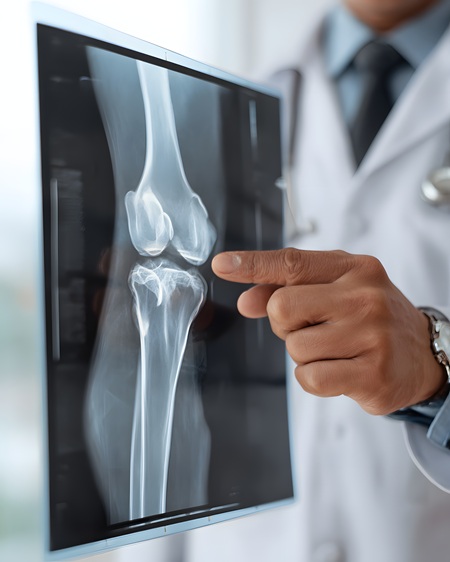
- Your Initial Consultation: Your journey begins with a detailed evaluation of your knee pain. This may include a physical exam, a review of your medical history, and imaging such as X-rays or MRI scans if needed.
Based on your condition, we create a personalized treatment plan designed to maximize your results. - During the Procedure: Most regenerative treatments are performed in-office and take between 30 and 60 minutes. Depending on the therapy, a local anesthetic may be used to keep you comfortable.
Because these procedures are minimally invasive, there is no need for general anesthesia or hospital stays. - After Treatment: You may experience mild soreness or swelling for a few days following treatment, which is a normal part of the healing process. Most patients return to normal activities quickly, although strenuous activity may be limited for a short time.
Why Patients Choose Regenerative Medicine
Patients are increasingly turning to regenerative treatments for knee pain because they offer several important advantages over traditional approaches.
- Non-surgical solutions that avoid the risks and recovery time of surgery
- Minimal downtime, allowing you to return to daily activities quickly
- Natural healing using your body’s own cells and growth factors
- Personalized treatment plans tailored to your specific condition
- Potential to delay or avoid knee replacement surgery
For many people, these benefits make regenerative medicine an appealing first step before considering more invasive options.
Results and Clinical Insights
Research into regenerative medicine continues to grow, with promising results for knee pain treatment.
Studies have shown that PRP therapy can improve pain and function in approximately 60–80% of patients with mild to moderate knee osteoarthritis. Shockwave therapy has demonstrated pain reduction in over 70% of patients with chronic tendon-related conditions.
Additionally, regenerative treatments may help delay the need for knee replacement surgery in some patients by improving joint function and reducing symptoms.
It’s important to understand that results vary depending on factors such as age, overall health, and the severity of the condition. While not a cure for every case, regenerative medicine offers a meaningful option for many individuals seeking long-term relief.
Frequently Asked Questions
Is regenerative medicine safe?
Yes. Treatments like PRP and stem cell therapy often use your own biological material, which significantly reduces the risk of adverse reactions or complications.
How long do results last?
Results can last from several months to multiple years depending on the severity of your condition and how your body responds to treatment.
Am I a good candidate?
Patients with mild to moderate joint damage typically see the best results. Those with severe, bone-on-bone arthritis may require additional or alternative treatments.
How many treatments will I need?
Some patients achieve improvement after a single treatment, while others benefit from a series of treatments for optimal results.
Is there downtime?
Downtime is minimal. Most patients return to normal daily activities within a day or two, with only minor temporary restrictions.
Will insurance cover this?
Some patients begin to notice improvement within a few weeks, with continued progress as healing develops over time.
How soon will I feel relief?
Take the First Step Toward Lasting Knee Pain Relief
Living with knee pain can affect every part of your life—but you don’t have to settle for temporary fixes or jump straight to surgery. Regenerative medicine offers a smarter, more natural approach that focuses on healing, not just symptom management.
Where Does It Hurt? We Can Help.






Regenerative Medicine