
Stem Cell Therapy for Pain Relief
Reduce Pain & Improve Function
When pain keeps coming back despite rest, medications, injections, and even physical therapy, many patients start looking for options that do more than temporarily “turn off” symptoms. Stem cell–based therapy is an advanced, minimally invasive approach that uses specialized cells from your own body to help support repair in damaged joints, tendons, ligaments, and other tissues. At Holistiq Spine & Orthopaedic, we offer carefully selected stem cell–based treatments as part of a comprehensive, evidence-informed plan to reduce pain, improve function, and help appropriate patients delay or avoid surgery.
What Is Stem Cell Therapy?
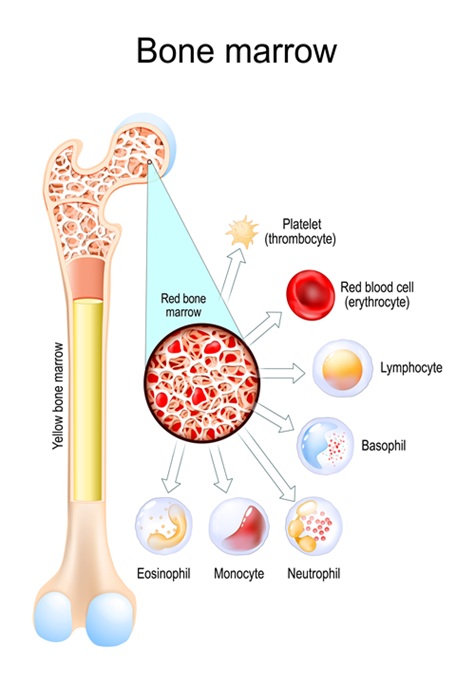
Stem cell therapy in orthopedics and pain management generally refers to procedures that use your own (autologous) adult cells—often taken from bone marrow or other tissues—and concentrate them for targeted injection into damaged or painful areas.
In simple terms, stem cells are:
- “Helper” cells that can self-renew and, under the right conditions, develop into more specialized tissue types
- Active communicators that release signaling molecules to coordinate repair, modulate inflammation, and attract other healing cells
In musculoskeletal applications, stem cell–based injections are designed to:
- Support the repair or remodeling of cartilage, bone, tendon, and ligament tissues
- Help calm chronic inflammation that is fueling pain and stiffness
- Improve the overall environment within the joint or soft tissue so healing becomes more likely
At Holistiq, these therapies are always used under physician supervision, with a clear focus on safety, realistic expectations, and integration with other conservative treatments.
How Stem Cell Therapy Works for Pain
Chronic pain often arises from damaged or degenerated tissues that never fully healed—such as thinning cartilage in the knee, micro-tears in tendons, or degenerated spinal structures. Stem cell–based therapy aims to influence these underlying problems, not just cover up pain signals.
The basic process:
- Cell collection
- Cells are obtained from a specific site (commonly bone marrow) using a minimally invasive procedure.
- This is typically done under local anesthesia and sometimes light sedation for comfort.
- Processing and concentration
The collected material is processed to concentrate the cells and supportive components into a smaller volume suitable for injection. - Targeted injection
The concentrated cell preparation is injected into the painful joint or tissue under image guidance (such as ultrasound or fluoroscopy) to maximize accuracy and safety.
Once delivered to the area of concern, these cells can:
- Release growth factors and signaling proteins that promote repair
- Influence inflammatory pathways that are keeping tissues irritated
- Help support healthier tissue structure and function over time
The goal is not instant pain relief but gradual improvements in pain, stiffness, and function over weeks to months as the tissue environment changes.
Conditions and Body Areas Stem Cell Therapy May Help
Stem cell–based treatments are most often considered for people with structural problems in joints and soft tissues that have not responded well enough to conservative care.
Common musculoskeletal conditions where stem cell therapy may be considered include:
- Joint problems
- Mild to moderate knee osteoarthritis
- Early hip osteoarthritis
- Certain shoulder arthritis patterns and degenerative changes
- Tendon and ligament issues
- Chronic rotator cuff–related problems that are not fully torn
- Longstanding tendon injuries around the hip or knee
- Certain ligament sprains with persistent pain and instability
- Spine-related issues (carefully selected)
- Facet joint–related back or neck pain
- Some degenerative changes where standard interventional options have not provided lasting relief
Body regions we most commonly evaluate for stem cell–based therapy:
- Knees
- Hips
- Shoulders
- Selected spine structures
- Other joints or soft tissues on a case-by-case basis
Not everyone with these conditions will be a candidate; disease stage, overall health, and imaging findings matter.
Who Is a Good Candidate for Stem Cell Therapy?
Stem cell therapy is best suited for patients whose pain is clearly linked to structural musculoskeletal issues but who still have enough viable tissue that repair support could make a meaningful difference.
You may be a good candidate if:
- You have chronic joint, tendon, ligament, or certain spine-related pain that:
- Has lasted for 3–6 months or longer, and
- Has not improved satisfactorily with medications, physical therapy, bracing, or standard injections
- Your imaging suggests mild to moderate degeneration rather than complete joint destruction
- You are trying to delay or avoid joint replacement or other major surgery, or you are not an ideal surgical candidate
- You are medically stable enough for a minimally invasive procedure and able to participate in a structured recovery and rehab plan
- You understand that results are not guaranteed and that improvements, when they occur, are typically gradual rather than immediate
You may not be a good candidate if:
- You have advanced “bone-on-bone” arthritis with severe deformity and instability
- You have uncontrolled diabetes, serious cardiovascular disease, active cancer, or major blood/clotting disorders that increase risk
- You have an active infection or a skin infection at the proposed injection site
- You are unable or unwilling to modify activities, stop certain medications if advised, or attend recommended therapy
- You are seeking a quick “miracle cure” rather than participating in a comprehensive, realistic treatment plan
The only way to know for sure is a thorough evaluation that includes your history, exam, imaging, and discussion of prior treatments.
Potential Benefits of Stem Cell Therapy
While individual results vary and research is still evolving, stem cell–based treatments can offer several potential advantages for carefully chosen patients.
Possible benefits include:
- Targeted tissue support
- Delivering cells and signals directly to the damaged joint, tendon, or ligament where healing is most needed.
- Focus on repair rather than masking
- Instead of just blocking pain, these therapies aim to support the biological processes that can improve tissue quality over time.
- Reduced reliance on medications and repeat injections
- For some patients, symptom improvements may lessen the need for frequent pain pills or steroid injections.
- Potential delay of surgery
- In earlier stages of degeneration, stem cell therapy may help some patients postpone or potentially avoid joint replacement or other major procedures.
- Minimally invasive, outpatient procedure
- Compared with surgery, stem cell–based injections involve less downtime and typically carry a lower short-term risk profile.
We emphasize that these are potential benefits. Not every patient experiences all of them, and some may notice little or no change. Our role is to help you understand what is realistic for your specific condition.
Risks and Limitations of Stem Cell Therapy
Any medical procedure has risks. Being clear about them is part of ethical care.
Common, usually short-term effects may include:
- Soreness, swelling, or stiffness at the collection and injection sites
- Bruising or mild bleeding
- Temporary increase in pain as the area responds to treatment
Less common but important risks can include:
- Infection at the injection or harvest site
- Injury to nearby structures (nerves, blood vessels, other tissues)
- Blood clots or more serious complications in people with underlying risk factors
- Worsening of symptoms if the underlying disease progresses despite treatment
Key limitations to understand:
- Results are not guaranteed, even in ideal candidates
- Improvement, when it occurs, is usually gradual, often taking weeks to months
- These therapies do not rebuild a destroyed joint or reverse very advanced arthritis
- Many stem cell–based procedures are not covered by insurance, and costs are typically out-of-pocket
- Some uses of stem cell therapy in musculoskeletal care are still considered emerging or investigational, and long-term data are still accumulating
At Holistiq, we only recommend stem cell–based treatments when we believe the potential benefits reasonably justify the risks and cost for your specific situation. We will also discuss all appropriate alternatives—non-surgical and surgical—so you can make an informed choice.
How Holistiq Performs Stem Cell–Based Treatment
1. Comprehensive Evaluation
Before recommending stem cell therapy, we:
- Take a detailed medical history and symptom timeline
- Perform a focused physical examination
- Review or order imaging (X-rays, MRI, or other studies when needed)
- Analyze what you have already tried (PT, medications, injections, bracing, surgery)
- Clarify your goals (work, sports, daily activities, long-term joint health)
If stem cell–based therapy is reasonable, we discuss it alongside other options so you can compare.
2. Procedure Day
Although specifics can vary, most protocols include:
- Local anesthesia and, in some cases, light sedation for comfort
- Collection of cells from a designated site (such as bone marrow) using a sterile technique
- Processing and concentrating the cell preparation
- Cleaning and numbing the injection area
- Image-guided injection into the targeted joint, tendon, ligament, or spinal region
You are monitored during and shortly after the procedure, then discharged with detailed instructions.
3. Recovery and Rehabilitation
Recovery is typically faster and less intense than surgery, but still requires planning.
- Expect localized soreness for several days to a couple of weeks
- You may be asked to temporarily reduce or modify certain activities
- A structured physical therapy or rehab program is often recommended to protect and strengthen the treated area
- Follow-up visits allow us to track your pain, mobility, and function and adjust your plan as needed
Some patients have just one stem cell–based treatment; others may benefit from additional procedures or adjunct therapies depending on progress.
Stem Cell Therapy FAQs
Is stem cell therapy safe?
When properly performed with your own adult cells and following established safety practices, stem cell–based procedures are generally well-tolerated. However, they still carry the risks of any invasive procedure, including infection, bleeding, and tissue injury. Your overall health and risk factors are carefully reviewed before we proceed.
Is stem cell therapy FDA approved?
Regulation of stem cell therapies is complex. Many musculoskeletal applications using minimally manipulated autologous cells fall into evolving regulatory categories and may be considered off-label or investigational. At Holistiq, we follow current guidance, avoid unproven “stem cell tourism” style practices, and are transparent about which uses are well supported and which remain emerging.
How soon will I see results?
Most patients should not expect instant relief. Instead, any improvement is usually gradual, developing over weeks to months as tissue responds. Some patients notice early changes; others progress more slowly; some may not experience significant benefit.
How long do results last?
Duration varies by condition, severity, and patient factors. In some cases, benefits may last many months or longer, while in others the effect may be more limited. We discuss expected timelines for your particular diagnosis and revisit options if improvement is less than hoped.
Will stem cell therapy prevent me from ever needing surgery?
Stem cell–based treatments may help some patients delay or reduce the need for surgery, especially when used earlier in the disease process. They are unlikely to completely replace surgery in all cases, particularly in very advanced disease. If your condition progresses, surgery may still become the most predictable solution.
Is stem cell therapy covered by insurance?
Most insurance plans do not cover stem cell–based treatments for musculoskeletal conditions at this time. Our team will review all costs with you in advance and help you compare this option with covered and non-covered alternatives.
Ready to Explore Whether Stem Cell Therapy Is Right for You?
If chronic joint, spine, or tendon pain is limiting your life and standard treatments have not provided the relief you need, stem cell–based therapy may be one of the options worth considering. At Holistiq Spine & Orthopaedic, we combine advanced interventional expertise with careful diagnostics, evidence-informed reasoning, and honest conversation about risks, benefits, and alternatives.
Where Does It Hurt? We Can Help.






Regenerative Medicine