
Regenerative Medicine for Arthritis
Find Lasting Relief from Arthritis Without Surgery
Arthritis pain can make everyday life feel like a constant struggle. Stiff joints, inflammation, and limited mobility can affect everything from walking and working to simply enjoying time with family. If you’ve been relying on medications or told that surgery is your only option, there may be another path forward.
Regenerative medicine offers a modern, non-surgical approach to arthritis treatment—one that focuses on helping your body heal itself. By targeting the root cause of joint damage and inflammation, these therapies can reduce pain, improve function, and help you regain control of your life.
At our clinic, we specialize in advanced regenerative treatments including stem cell therapy, PRP (platelet-rich plasma), and shockwave therapy—each designed to support natural healing and long-term relief.
What Is Regenerative Medicine?
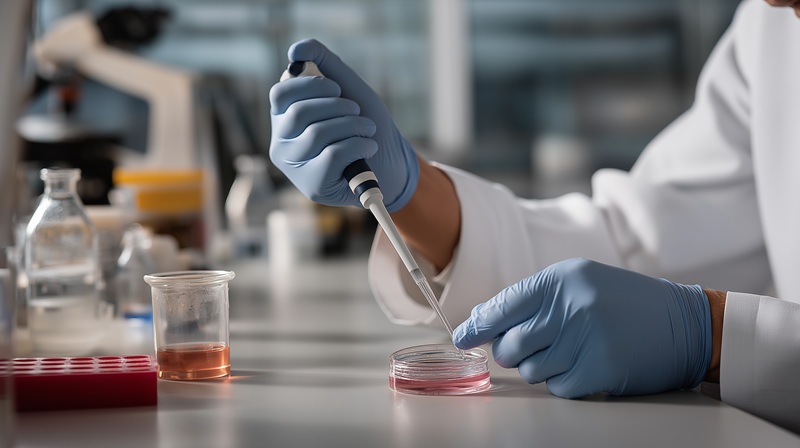
Regenerative medicine is a field of treatment that works by stimulating the body’s own repair systems. Instead of masking symptoms, it focuses on restoring damaged tissue and improving joint health over time.
For arthritis patients, this means:
- Reducing inflammation at the source
- Supporting cartilage health and joint function
- Improving mobility and flexibility
- Slowing the progression of joint degeneration
These treatments are minimally invasive and use either your body’s own cells or non-invasive technology to activate healing.
Our Arthritis Treatment Options
We offer several regenerative therapies that can be used individually or combined based on your condition and goals.
Stem Cell Therapy
Stem cell therapy uses powerful regenerative cells—often taken from your own bone marrow or fat tissue—to promote healing within the joint.
- Helps repair and regenerate damaged tissue
- May support cartilage preservation
- Reduces inflammation within the joint
- Ideal for moderate arthritis and chronic joint degeneration
This treatment is often recommended for patients who want to avoid or delay joint replacement surgery.
PRP (Platelet-Rich Plasma) Therapy
PRP therapy uses a concentrated form of your own blood platelets, which are rich in growth factors that support healing.
- Accelerates tissue repair
- Reduces joint inflammation
- Improves pain and mobility
- Effective for early to moderate arthritis
Because PRP uses your own blood, it is a natural and low-risk option for many patients.
Shockwave Therapy
Shockwave therapy is a non-invasive treatment that uses acoustic energy to stimulate healing in affected joints.
- Increases blood flow to damaged tissue
- Promotes cellular repair
- Reduces chronic inflammation
- No injections or downtime required
This therapy is often used alongside PRP or stem cell therapy to enhance results.
Types of Arthritis We Treat
Arthritis can affect different joints and present in various forms. We commonly treat:
- Osteoarthritis (wear-and-tear arthritis)
Rheumatoid arthritis (inflammatory autoimmune condition, symptom management support) - Post-traumatic arthritis from past injuries
- Degenerative joint disease
- Chronic joint inflammation and stiffness
Common treatment areas include:
- Knees
- Hips
- Shoulders
- Hands and wrists
- Ankles
What to Expect From Treatment
Initial Consultation
Your care begins with a thorough evaluation to understand your symptoms, medical history, and severity of arthritis.
- Physical examination of the affected joint
- Review of imaging such as X-rays or MRI (if needed)
- Personalized treatment plan tailored to your condition
During Treatment
Most regenerative procedures are quick and performed in-office.
- Treatments typically take 30–60 minutes
- Minimal discomfort, depending on the procedure
- No hospital stay or general anesthesia required
After Treatment
Recovery is usually simple and manageable.
- Mild soreness or swelling may occur for a few days
- Most patients return to normal activities quickly
- Gradual improvement as the body heals naturally
- Full results often develop over several weeks to months
Benefits of Regenerative Medicine for Arthritis
Patients choose regenerative medicine because it offers meaningful advantages over traditional treatments.
- Non-surgical and minimally invasive
- Targets the root cause instead of masking symptoms
Uses natural healing mechanisms - Minimal downtime and faster recovery
- May delay or eliminate the need for joint replacement
- Personalized care based on your condition
Results and Clinical Insights
Regenerative medicine continues to show promising outcomes for arthritis patients.
- PRP therapy has demonstrated pain and function improvement in 60–80% of patients with mild to moderate osteoarthritis
- Stem cell therapies have shown potential to improve joint function and reduce inflammation in clinical studies
- Shockwave therapy has helped reduce chronic pain in a majority of patients with musculoskeletal conditions
- Many patients report improved mobility, reduced stiffness, and better quality of life
While results vary from person to person, these treatments offer a compelling option for those seeking long-term relief without surgery.
Frequently Asked Questions
Is regenerative medicine safe?
- Yes, especially treatments like PRP and stem cell therapy that use your own biological material
- Low risk of allergic reactions or complications
How quickly will I feel better?
- Relief can last months to years depending on the severity of arthritis and individual response
- Maintenance treatments may be recommended in some cases
Will PRP replace surgery?
- Best for mild to moderate arthritis
- Patients with severe joint damage may need additional options
- A consultation will determine the best approach
Am I a candidate?
- Best for mild to moderate arthritis
- Patients with severe joint damage may need additional options
- A consultation will determine the best approach
How many treatments will I need?
- Some improvement may be noticed within a few weeks
- Continued healing occurs over several months
Is there downtime?
Is it covered by insurance?
How soon will I see results?
Take the First Step Toward Arthritis Relief
You don’t have to accept arthritis pain as a permanent part of life. With regenerative medicine, there’s a proactive, non-surgical way to reduce pain, restore movement, and improve your quality of life.
Where Does It Hurt? We Can Help.



Regenerative Medicine