
Stem Cell Therapy for Knee Pain
Personalized regenerative medicine
Knee pain can make it harder to work out, stay active, climb stairs, or simply move through the day comfortably. Stem cell therapy offers a regenerative, minimally invasive option for patients seeking relief from knee pain and injuries without rushing into surgery.
At Holistiq, we use personalized regenerative medicine approaches designed to support healing, reduce inflammation, and improve function. If you are dealing with chronic knee pain, osteoarthritis, a sports injury, or damage to the soft tissues around the knee, stem cell therapy may be part of a treatment plan tailored to your needs.
What Is Stem Cell Therapy for Knee Pain?
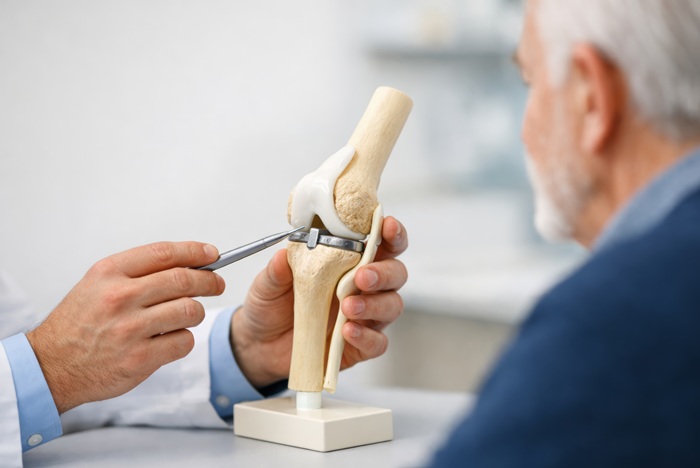
Stem cell therapy uses regenerative cells to support the body’s natural healing response in damaged or inflamed tissue. On Holistiq’s current stem cell therapy page, the treatment is described as using mesenchymal stem cells derived from the patient’s own body to promote healing and regeneration where it is needed most.
For knee pain, these cells are typically placed directly into the affected area using imaging guidance. The goal is to reduce inflammation, support tissue repair, and improve joint function over time.
What Knee Conditions Can Stem Cell Therapy Help Treat?
Stem cell therapy may be recommended for a range of knee-related problems, especially when rest, medications, physical therapy, or standard injections have not provided enough relief.
Common knee conditions treated with stem cell therapy include:
- Knee osteoarthritis.
- Chronic knee pain and joint degeneration.
- Tendon injuries and tendonitis around the knee.
- Ligament injuries or partial tears.
- Meniscus-related injuries
- Sports-related knee injuries.
Holistiq’s existing service page already highlights osteoarthritis, tendon and ligament injuries, sports injuries, and joint pain among the conditions addressed with stem cell therapy.
How Stem Cell Therapy for the Knee Works
Your treatment begins with a consultation and evaluation. During this visit, we review your symptoms, medical history, imaging, and goals to determine whether you may be a good candidate for regenerative treatment.
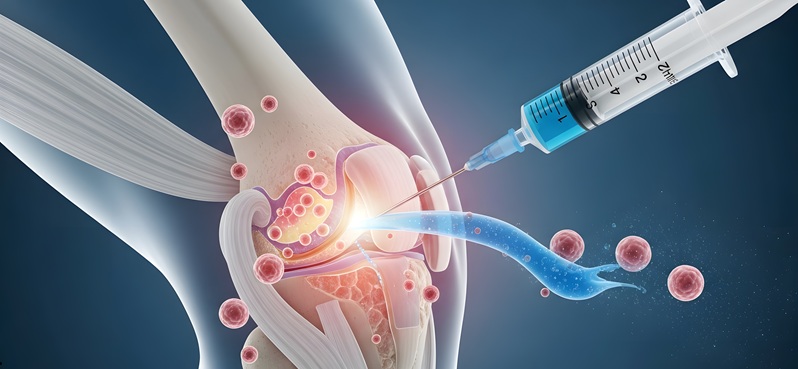
If stem cell therapy is appropriate, stem cells are typically harvested from your own body, often from bone marrow or adipose tissue, using minimally invasive techniques. The sample is then processed to concentrate the regenerative cells before the final injection is placed into the knee with advanced imaging guidance for precision.
What to Expect From the Procedure
Holistiq’s current stem cell therapy page states that most patients experience significant pain relief and improved function within a few weeks of treatment. In the research literature, a meta-analysis of nine randomized controlled trials involving 339 patients found stem cell therapy improved pain outcomes in knee osteoarthritis compared with control treatments.
Results vary based on the underlying condition, severity of tissue damage, joint health, and overall patient factors. In general, stem cell therapy is best described as a personalized regenerative option that may reduce pain, improve mobility, and support better function for the right candidate rather than a guaranteed cure.
Why Patients Consider Stem Cell Therapy for Knee Pain
Patients often explore stem cell therapy because they want a treatment that is minimally invasive and designed to work with the body’s natural repair systems. It may be especially appealing for people looking to stay active, postpone more invasive procedures, or address chronic knee pain with a regenerative approach.
Potential benefits may include:
- Reduced knee pain.
- Improved joint function and mobility.
- Less inflammation.
- A minimally invasive alternative to surgery for select patients.
- A personalized treatment plan based on your specific diagnosis and goals.
Stem Cell Therapy for Knee Pain FAQ
Does stem cell therapy work for knee pain?
Stem cell therapy may help reduce pain and improve function in some patients with knee osteoarthritis and other knee conditions. Research shows promising pain outcomes, but results depend on the diagnosis, severity of damage, and patient selection.
What is the best stem cell therapy for knees?
The best approach depends on the condition being treated, your medical history, and whether bone marrow- or adipose-derived cells are most appropriate in your case. A proper evaluation is the best way to determine the right treatment plan.
Is stem cell therapy better than surgery?
Stem cell therapy and surgery are used for different situations, and one is not automatically better than the other. For some patients with chronic knee pain or earlier-stage degeneration, stem cell therapy may offer a nonsurgical option worth considering before more invasive treatment.
How long does stem cell therapy take for the knee?
Many outpatient protocols are completed in about 30 to 60 minutes or in a single office visit, depending on the harvest method and injection plan.
How long does it take to feel results?
Some patients begin noticing improvement within a few weeks, while others see gradual changes over a longer healing window. Regenerative treatments often take time because the goal is to support healing rather than provide only temporary numbing or masking of symptoms.
Are there side effects?
Short-term soreness, stiffness, or swelling can occur after treatment. In the available meta-analysis, stem cell therapy did not show a significant increase in adverse events compared with control groups in the studies reviewed.
Who is a good candidate?
Candidates are often people with knee osteoarthritis, chronic knee pain, tendon or ligament injuries, or sports injuries who want to explore a regenerative option before surgery or after limited success with conservative care. The best way to know is through a full evaluation with a qualified provider.
Take the First Step Toward Pain-Free Movement
If knee pain is affecting your workouts, mobility, or quality of life, stem cell therapy may be a regenerative option worth considering. At Holistiq, we take a personalized approach to care by evaluating your symptoms, medical history, and treatment goals before recommending a plan.
Where Does It Hurt? We Can Help.






Regenerative Medicine